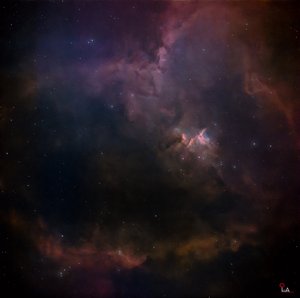
The beginning of My journey as a Newbie
I’ve been interested in astrophotography for quite a long time. But even with wildlife and macro photography, I still feel like I haven’t finished learning on my own, so astrophotography—which is on another level—felt a bit intimidating, and I didn’t dare to get into it.
One day, a friend who used to be my boss said, “Than, you’re into photography, right? My husband was asking—he has some new smart telescopes that he hasn’t been using. Would you like to try them?” Since the equipment would be free, I had to think about it. I was already struggling to balance two genres, so I wondered if adding another would just mean the gear would sit unused. But at the same time, the scope he was offering was at an intermediate level, so I wanted to give it a try. In the end, I thought, “Why not?” and decided to take it.
When it arrived, there were actually two—one beginner-level and one intermediate-level. So I started with the beginner one. For about a week, I was shooting the Sun during the day and the Moon at night. It was fun, but the image quality wasn’t as good as regular cameras, and there was a lot of noise. When I tried retouching with Photoshop and Lightroom, which I usually use, it didn’t really work out, and I started feeling discouraged.
Then I tried shooting the Orion Nebula as my first deep-sky target, and that made me even more frustrated. So I decided to pause for a while. Coincidentally, my boss’s husband called me and asked, “Than, how’s it going?” I told him it wasn’t going very well—the images were noisy and not very sharp. He laughed and said, “Come stay over this weekend. We’ll shoot together, and I’ll teach you how to get good results.” Even though I wasn’t very motivated to continue, I went because of his kindness.
After going there, I finally understood how to get good images—and also realized that it takes a lot of time and dedication to learn. Shooting the Moon and the Sun is relatively simple, but if you move into deep-sky imaging, you’ll need at least intermediate-level equipment, and you also need to get familiar with software specifically designed for astrophotography.
Choosing the right gear depends on what you mainly want to shoot. Refractor scopes that are great for wide-field targets like nebulae aren’t very suitable for planetary imaging. Likewise, without a proper planetary scope, it’s hard to capture detailed images of distant planets like Jupiter.
Right now, the gear I have are smart scopes. They’re a bit easier for beginners because many functions like calibration and tracking are handled automatically by the scope. As for more dedicated systems like ZWO setups, I personally think it’s better to start using them once you have some experience (just my opinion).
Another key part of astrophotography is the post-processing (retouching) process. While you can use tools like Photoshop and Lightroom, apps specifically designed for astrophotography—like PixInsight—are much better for bringing out the colors of nebulae and galaxies, and for solving one of the biggest issues in astrophotography: noise.
Clear skies and happy observing…..
Astrophotography ကိုစိတ်ဝင်စားနေတာတော့ကြာပါပြီ။ ဒါပေမယ့်လည်း ကိုယ့်ဘာသာကိုယ်တောင် wildlife တို့ macro တို့နဲ့တင်လေ့လာသင်ယူလို့မကုန်သေးတော့ another different level ဖြစ်တယ့် astro ကိုလုပ်ချင်ပေမယ့် မထိရဲဘူးဖြစ်နေခဲ့တာလေ။ တစ်ရက် အရင်ကိုယ့်ရဲ့ Boss ဖြစ်ခဲ့ဖူးတယ့်မိတ်ဆွေက "Than" နင်ဓာတ်ပုံရိုက်နေတာမလား ငါ့အမျိုးသားကမေးနေတယ် သူ့ဆီမှာမသုံးဖြစ်ပဲသိမ်းထားတယ့် smart telescope အသစ်တွေရှိနေလို့ သုံးမလားဆိုပြီးတော့လေ။ ပစ္စည်းက free ရမှာဆိုတော့ ကိုယ့်မှာစဥ်းစားရပြီ။ ကိုယ့်ဘာသာကိုယ်တောင် genre နှစ်ခုနဲ့တင်တိုင်ပတ်နေတာ နောက်တစ်ခုထပ်လုပ်ရင်တော့ ပစ္စည်းသာလက်ထဲမှာရှိပြီး မစဖြစ်ရင်အလကားပဲဆိုပြီးတော့ပေါ့။ ဒါပေမယ့်တစ်ဖက်မှာကလည်း ကိုယ့်ကိုပေးမယ့် scope ကလည်း intermediate level မို့လို့စမ်းကလည်းစမ်းကြည့်ချင်လို့ ကဲလာထား နောင်ခါလာနောင်စျေးဆိုပြီး ယူထားလိုက်တယ်လေ။
ရောက်လာတော့လည်း နှစ်ခု၊ beginner level နဲ့ intermediate level။ ဆိုတော့ကာ beginner နဲ့စတာပေါ့ဗျာ။ တစ်ပတ်လောက်နေ့ဖက်ဆို Sun ညဖက်ဆို Moon နဲ့နှစ်ပါးသွားနေလိုက်တာ ပျော်စရာကောင်းပေမယ့် ပုံထွက်က ကင်မရာတွေလိုမျိုးမကောင်းတယ့်အပြင် Noise တွေကလည်းများဆိုတော့ ကိုယ်သုံးနေကြ Photoshop တို့ Lightroom တို့နဲ့ retouch လုပ်တော့လည်းအဆင်ကမပြေနဲ့ မစရသေးဘူးစိတ်ကပျက်ချင်ချင်ဖြစ်လာတယ်။ ဒီကြားထဲ Orion Nebula ကို deep sky ထပ်ရိုက်ကြည့်တော့ စိတ်ကပိုပြီးတောင်ပျက်။ ဒါနဲ့ပဲခဏလောက်ရပ်ထားလိုက်တော့တယ်လေ။ ဖြစ်ချင်တော့ boss ရဲ့အမျိုးသားကဖုန်းခေါ်လာပြီး "Than" အဆင်ပြေလားမေးလာလို့ အဆင်တော့သိပ်မပြေဘူးဗျာ noise တွေကတအားထပြီး ပုံတွေကလည်း sharpness သိပ်မဖြစ်ဘူးလို့ပြောလိုက်တော့ မိတ်ဆွေကတအားရီပြီး weekend ကြရင်ငါ့ဆီမှာညလာအိပ် ဘယ်လိုကောင်းအောင်ရိုက်ရမလဲဆိုတာကိုငါတို့အတူတူရိုက်ရင်းနဲ့မင်းကိုသင်ပေးမယ်လို့ပြောလာလို့ စိတ်ကသိပ်ပြီးဆက်မလုပ်ချင်တော့ပေမယ့် တစ်ဖက်သားကစေတနာနဲ့ခေါ်နေတာမို့လို့သွားဖြစ်ခဲ့တယ်လေ။
သူ့ဆီသွားလိုက်တော့မှပဲ ဘယ်လိုရိုက်မှပုံကောင်းတွေရမယ်ဆိုတာကိုသိလာရတယ့်အပြင် အချိန်တော်တော်ပေးပြီးလည်းလေ့လာရမယ်ဆိုတာကို သိလာရတယ်လေ။ Moon တို့ Sun တို့ကိုရိုက်ရတာကရိုးစင်းပေမယ့် deep sky ဖက်ကိုလှည့်မယ်ဆိုရင်တော့ အနည်းဆုံး intermediate level equiment လောက်လိုမယ့်အပြင် astrophotography အတွက်ရည်ရွယ်ပြီးထုတ်ထားတယ့် retouching apps တွေနဲ့လည်းရင်းနှီးထားရမှာပါ။ ကိုယ်ကဘာကိုအဓိကရိုက်ချင်တာလည်းဆိုတာကိုမူတည်ပြီး gears တွေကိုရွေးချယ်ဖို့လိုပါတယ်။ Nebula လို wide view subject ကိုရိုက်တယ့် refractor scope တွေကို Planet တွေရိုက်ဖို့သုံးရတာသိပ်အဆင်ပြေမှာမဟုတ်သလို planetary scope တွေမသုံးပဲနဲ့လည်း Jupiter လိုမျိုးအလှမ်းဝေးတယ့် Planet တွေကိုပုံကောင်းကောင်းရအောင်ရိုက်ချင်လို့မရပါ။
လက်ရှိကျွန်တော်မှာရှိတယ့် gear တွေက smart scope တွေပါ။ Beginner တွေအတွက် အသုံးပြုရတာနည်းနည်းပိုလွယ်တာပေါ့ ဘာဖြစ်လို့လဲဆိုတော့ calibration, tracking စတယ့် function တော်တော်များများကို scope က 100% လုပ်ပေးလို့ပါပဲခင်ဗျ။ ZWO တို့လို့ dedicated level တွေကိုတော့ အတွေ့အကြုံအတန်အသင့်ရှိမှစပြီးသုံးတာကပိုသင့်တော်သလားလို့ပါ (ကျွန်တော့်အမြင်သက်သက်ပါ)။ နောက်တစ်ခု astrophotography မှာအဓိကကျတယ့်နောက်တစ်ချက်က retouching process ပါပဲခင်ဗျ။ သာမန် photo retouching အတွက်သုံးနေတယ့် photoshop တို့ lightroon တို့ကိုသုံးလို့ရပေမယ့် သူ့အတွက် dedicated ထုတ်ထားတယ့် Pixlnsight လိုမျိုး apps တွေနဲ့မှ nebula တို့ galaxy တို့ရဲ့အရောင်တွေကိုကောင်းကောင်းဆွဲထုတ်နိုင်မှာဖြစ်သလို astrophotography ရယ့်အဓိကပြဿနာတစ်ခုဖြစ်တယ့် Noise များတာကိုလည်းဖြေရှင်းနိုင်မှာလေ…..
မိုးသားကင်းစင်ကြည်လင်သောညများ ဖြစ်ပါစေ — အမြင်ကောင်းများနှင့် အောင်မြင်သော observation များရရှိပါစေ.....