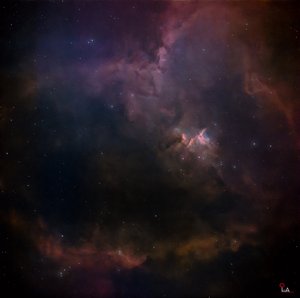
Two Weeks Into Astrophotogrphy
It’s been a little over two weeks since I started doing astrophotography, so I’ve learned a bit more—and I’ll allow myself to ramble a little more too 😄
Like I mentioned in my earlier posts, I originally started just out of curiosity, simply wanting to try it. But the more I shoot, the more I get into it. Now it’s become part of my daily routine—checking the weather every night to see if the sky will be clear, studying which nebulae I can capture this month whenever I have time, making target lists, and even watching retouching tutorials on YouTube. It’s basically turned into a whole activity on its own.
So what have I learned so far?
The first thing is that, unlike other genres I used to shoot, you can’t just photograph your subject whenever you want (generally speaking). For nebulae, you have to wait for their season and for them to rise above the horizon.
What does that mean? Since Earth rotates on its axis every 24 hours while orbiting the Sun, at night we can only see the planets and stars that are above the horizon from our location. Anything below the horizon simply isn’t visible. Those objects will only come above the horizon during the daytime, so we can’t see or photograph them then either.
Another factor is that when the constellations containing those nebulae get too close to the Sun, they become invisible at night due to the Sun’s brightness. That’s why we have something called a “nebula season.”
Some of you might be wondering why I keep posting photos of the Orion Nebula over and over again 😄
There are mainly two reasons.
First, since I’m still a beginner, I’m learning a little more each day about settings and processing. So I keep practicing on the same subject. Orion Nebula is relatively close to Earth, so it’s brighter and easier to capture a clean image without needing too much exposure time—usually just around an hour (and even then, it’s still about 1,344 light-years away!).
Second, its season is about to end—by March 9, Orion Nebula won’t be in a good position anymore. So I’m trying to capture as many good shots as I can while I still have the chance.
At night, from where I currently live, I can only shoot for about 4 to 5 hours at most. That’s because the weather is still quite cold, and also because the trees in my yard start blocking the constellations like Orion and Rosette after around 11 PM. Otherwise, I’d gladly shoot all night long.
The reason is simple: these are deep-sky objects, so the longer you shoot, the more frames you can stack, and the more you can reduce noise. Also, the farther the object is from Earth, the more exposure time you need to get a good image.
For example, while Orion Nebula might only need about an hour for a decent result, the Heart Nebula would require at least around four hours to get a good image. That’s because Orion is about 1,344 light-years away, while Heart Nebula is about 7,500 light-years away.
There’s something I’d like to explain to you all here. It’s about why some images are retouched using RAW files, while others are processed using TIFF files.
When shooting wide-field nebulae using Mosaic mode, the camera captures several surrounding sections—including the nebula itself—one by one, and then combines them into a single image.
One advantage of Mosaic mode is that if you’re using a 12.5-megapixel camera, the final output can be at least around 50 megapixels. However, the downside is that during stacking, alignment issues can sometimes occur (this is based on my experience with a smartscope camera).
Because of that, I usually retouch Mosaic images using TIFF format. The reason is that the Vespera Pro smartscope exports RAW files as individual frames, while TIFF files are already stacked internally in the camera before being exported.
Clear skies and happy observing…..
Astrophotography ရိုက်တာ နှစ်ပတ်ကျော်ကျော်လောက်ရှိလာပြီဆိုတော့ နည်းနည်းလေးပိုသိလာလို့ နည်းနည်းလေးပိုပြီးလျှာရှည်ပါရစေခင်ဗျ။
ကျွန်တော်အရင်ပိုစ့်တွေတုန်းကပြောခဲ့သလိုပဲ အစကတော့ရိုက်စမ်းကြည့်ချင်ရုံသက်သက်နဲ့စခဲ့တယ်ဆိုပေမယ့်လည်း ရိုက်ရင်းရိုက်ရင်းနဲ့စိတ်ကပါလာလို့ အခုဆိုနေ့တိုင်း ညကြရင်ကောင်းကင်မှာတိမ်ရှိမရှိဆိုတာကို မိုးလေဝသကြည့်ရတာနဲ့၊ အားရင်အားသလိုဒီလမှာ ငါဘယ် Nebula တွေကိုရိုက်လို့ရမလဲဆိုတာလေ့လာပြီး စာရင်းလုပ်ရတာနဲ့၊ retouch လုပ်တယ့် clips တွေ youtube မှာလိုက်ရှာကြည့်ရတာကလဲအလုပ်တစ်ခုအနေနဲ့ပါတာပေါ့ဗျာ။
ရိုက်ရင်းနဲ့ဘာတွေသိလာရသလဲဆိုတော့ ပထမအချက်အနေနဲ့ အရင်ရိုက်ခဲ့တယ့် genre တွေလိုမျိုး Subject ကို (အများအားဖြင့်ဆိုလိုတာပါ) ကိုယ်ရိုက်ချင်တယ့်အချိန်ထရိုက်လို့မရဘူးဆိုတာပါပဲ။ Nebula တွေဆိုရင် သူတို့ရဲ့ season နဲ့ horizon ရယ့်အပေါ်ကိုရောက်တယ့်အချိန်အထိစောင့်ရပါတယ်။ Horizon ရယ့်အပေါ်ကို ရောက်တယ့်အချိန်အထိစောင့်ရတယ်ဆိုတာကဒီလိုပါ။ ကျွန်တော်တို့ကမ္ဘာကြီးက နေကိုလည်ပတ်နေရင်းနဲ့သူ့ဝင်ရိုးပေါ်မှာ 24 နာရီလည်နေတာဆိုတော့ ဥပမာ ညဖက်ရောက်ရင် ကိုယ်နေတယ့်နေရာ horizon ရယ့်အပေါ်ဖက်ကိုရောက်နေတယ့် ဂြိုလ်တွေ ကြယ်တွေကိုသာတွေ့ရမှာဖြစ်ပြီး horizon ရယ့်အောက်ကိုရောက်နေတယ့်အရာတွေကိုတွေ့ရမှာမဟုတ်ပါ။ အဲ့ဒီမတွေ့ရတယ့် ဂြိုလ်တွေ ကြယ်တွေက ကိုယ့်ရဲ့နေ့အချိန်ကျမှ horizon အပေါ်ကိုရောက်လာမှာမို့လို့ ဓာတ်ဖမ်းလို့လဲမရသလို တွေ့လည်းမတွေ့ရပါဘူး။ နောက်တစ်ခုက Nebula တွေရှိတယ့် constellation တွေဟာ နေ ရယ့်အနားကိုရောက်သွားရင် သူ့ရဲ့အလင်းရောင်ကြောင့် ညဖက်မှာပါမမြင်ရတော့ပါဘူး။ ဒါကြောင့်လည်း Nebula Season ဆိုတာဖြစ်လာတာပါခင်ဗျ။
တစ်ချို့မိတ်ဆွေတွေကထင်ကောင်းထင်ကြလိမ့်မယ်။ ဒီဘဲဘာဖြစ်လို့ Orion Nebula ပုံတွေချည်းပဲလှိမ့်တင်နေတာလဲဆိုပြီးတော့ပေါ့။ အဲဒါကလည်းအဓိက အကြောင်းရင်းနှစ်ခုရှိပါတယ်ခင်ဗျ။ ပထမအချက်က အခုမှစပြီးရိုက်ခါစဆိုတော့ တစ်ရက်ပြီးတစ်ရက်ရိုက်ရတယ့် setting နဲ့ process တွေကိုနည်းနည်းခြင်းဆီပိုသိလာလို့ subject တစ်ခုထဲကိုပဲ (Orion Nebula ကကျွန်တော်တို့ကမ္ဘာနဲ့နီးတော့ အလင်းရောင်ပိုတောက်ပြီး ကြည်လင်တယ့်ပုံတစ်ပုံရဖို့ တစ်နာရီထက်အချိန်ပိုမပေးရလို့၊ ဒါတောင်ကမ္ဘာနဲ့ကအလင်းနှစ် 1344 နှစ်ဝေးတာနော်) အထပ်ထပ်လေ့ကျင့်နေတာကတစ်ချက်ပေါ့ခင်ဗျ။ ဒုတိယအချက်ကတော့ လာမယ့် မတ်လ ကိုးရက်နေ့ဆိုရင် Orion Nebula ရယ့် season က ပိတ်တော့မှာမို့လို့ အခုလိုမျိုးပုံကောင်းရိုက်လို့ရတယ့်အချိန်လေးမှာ ရနိုင်သလောက်လေးများများရိုက်ထားတာပါ။
ညဆို ကျွန်တော်လက်ရှိနေနေတယ့်အိမ်ကနေဆိုရင် လေး ငါး နာရီထက်ပိုပြီးမရိုက်နိုင်ဘူးခင်ဗျ။ ဘာဖြစ်လို့လဲဆိုတော့ ရာသီဥတုကတော်တော်အေးနေသေးတာရယ် ကျွန်တော်နေတယ့်အိမ်ကနေဆိုရင် Orion တို့ Rosette တို့ရှိတယ့် constellation ကို ခြံထဲမှာရှိနေတယ့်အပင်တွေကြောင့် ည 11pm လောက်ဆိုရိုက်လို့အဆင်မပြေတော့တွေရယ်ကြောင့်ပါ။ ဖြစ်နိုင်ရင်ညလုံးပေါက်တောင်ထိုင်ရိုက်ချင်တာ။ ဘာဖြစ်လို့လဲဆိုတော့ deep sky object တွေမို့လို့အချိန်များများရိုက်နိုင်လေ image stacking ပိုများလာလေ Noise သက်သာလေမို့လို့ပါပဲခင်ဗျ။ နောက်တစ်ချက်က ကိုယ်ရိုက်တယ့် object က ကမ္ဘာနဲ့အလင်းနှစ်ပိုဝေးလေလေ ပုံပေါ်ဖို့အချိန်ပိုပေးရလေပါပဲ။ ဥပမာ Orion Nebula ကိုပုံရိပ်ကောင်းကောင်းပေါ်တယ့်ပုံရဖို့ တစ်နာရီလောက်ပဲအချိန်ပေးရမယ်ဆို Heart Nebula ကိုတော့ပုံရိပ်ကောင်းကောင်းပေါ်တယ့်ပုံရဖို့ အနည်းဆုံး လေးနာရီလောက်တော့အချိန်ပေးရမှာပါ။ ဘာဖြစ်လို့လိုဆို့တော့ Orion က ကမ္ဘာကနေဆို အလင်းနှစ် 1344 ပဲဝေးပြီး Heart ကတော့ အလင်းနှစ် 7500 ဝေးလို့ပါပဲခင်ဗျ။
အဲဒီမှာမိတ်ဆွေတို့ကို ရှင်းပြချင်စရာတစ်ခုရှိလာပါပြီ။ ဘာကိုလဲဆိုတော့ ဘာဖြစ်လို့ တစ်ချို့ပုံတွေကို RAW နဲ့ retouch လုပ်ပြီး၊ တစ်ချို့ကိုကြတော့ TIFF နဲ့ retouch လုပ်တာလဲဆိုတယ့်အချက်ကိုပါ။ Wide view ဖြစ်တယ့်တစ်ချို့ nebula တွေကို Mosaic mode နဲ့ရိုက်တယ့်အခါ ကင်မရာ က nebula အပါအဝင် သူ့အနားကနေရာလေးငါးခုကို တစ်ခုခြင်းဆီရိုက်ပြီးပေါင်းစပ်လိုက်ပါတယ်။ Mosaic mode ရယ့်ကောင်းတာတစ်ခုက 12.5 megapixles ရှိတယ့်ကင်မရာနဲ့ရိုက်ရင် output မှာအနည်းဆုံး 50 megapixels လောက်ရှိတယ့်ပုံတစ်ခုရတာဖြစ်ပြီး၊ ဆိုးတယ့်အချက်က stacking လုပ်တယ့်အခါ alignment မှာပြဿနာတက်တာပါပဲ (ကျွန်တော့်ရယ့် smartscope camera ကိုအခြေခံပြီးပြောတာနော်)။ ဒါကြောင့် Mosaic mode နဲ့ရိုက်တယ့်ပုံတွေကို TIFF format ကိုပဲ retouch လုပ်တာပါ ဘာဖြစ်လို့လဲဆိုတော့ Vespera Pro smartscope က RAW format ကို individual file တွေကိုသာ export လုပ်ပြီး TIFF format ကိုကြတော့ ကင်မရာအထဲမှာတစ်ခါတည်း stacked လုပ်ပြီးမှ export လုပ်တာမို့လို့ပါ.....
မိုးသားကင်းစင်ကြည်လင်သောညများ ဖြစ်ပါစေ — အမြင်ကောင်းများနှင့် အောင်မြင်သော observation များရရှိပါစေ.....