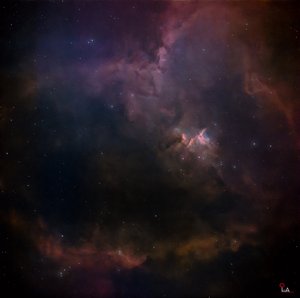
The Flat Frame Mistake I Should Have Never Made
Today I'd like to write about a mistake that I absolutely should have avoided. It has to do with calibration frames—specifically flats and flat darks. Here's what happened. While the weather was still cooperating, I spent three consecutive nights staying up late and working hard to capture the Western Veil Nebula. After finishing the final night of imaging, I proceeded to take my calibration frames as usual. While shooting my flat frames, I noticed a dust spot in the image. Unfortunately, I forgot that the dust should remain exactly where it was until all calibration frames had been completed, and I removed it before realizing my mistake. As a result, when I stacked the images, the calibration process failed to remove the dust spot entirely. This is a mistake that should never have happened. After all, it's not as if I'm new to calibration frames.
The principle behind flat-frame calibration is simple: flats are designed to correct dust shadows, vignetting, and other optical imperfections that are present in the light frames. Therefore, the flats and flat darks must be captured with the optical system in exactly the same condition as the light frames. By removing the dust particle before completing the calibration frames, I changed the optical path, which meant the calibration process could no longer correctly identify and remove the dust shadow from the images. I'm the type of person who puts a lot of effort into every imaging session, so running into a problem like this is incredibly frustrating. After sacrificing sleep for three consecutive nights to gather the data, seeing the final result affected by such a simple mistake is hard to accept. At that point, I didn't even know what I was angry at anymore. Even as I'm writing this post, I still have a headache from lack of sleep. Part of me wants to delete all the data and move on, but for now, I'm going to keep it and see if I can salvage the image through editing. If I eventually find that the image cannot be repaired—or that fixing it requires excessive and unrealistic editing—then I'll probably delete it.
One of the fascinating things in astrophotography is seeing how Flat Frames can seemingly make dust motes and vignetting disappear. In reality, the software is not "erasing" the dust; it is simply correcting the areas where the illumination is reduced. To explain it simply, when taking a flat frame, the telescope is illuminated evenly (using a flat panel, flats cap, T-shirt method, etc.), while keeping the camera, filter, focus, and rotation exactly the same as they were when the light frames were captured. In the flat frame: Areas affected by dust motes receive slightly less light. The edges of the frame receive less light because of vignetting. During calibration, software such as PixInsight, Siril, WBPP, or ASIAIR uses the flat frame as a reference and normalizes/divides each pixel in the light frame according to the brightness pattern recorded in the flat. For example, suppose the center of the flat receives 100% illumination. A dust mote area receives only 80% illumination. If the signal in the light frame at that dust mote location is 800 counts, the software calculates: 800 ÷ 0.8 = 1000, which restores the original brightness. That is why dust motes appear to "disappear." In other words, the software is not removing the dust itself; it is mathematically correcting each pixel. Once you understand this, many people find flat calibration to be one of the most elegant concepts in astrophotography.
Another important point is that the telescopes, filter drawers, camera adapters, and focusers used in astrophotography are not weather-sealed systems. Since they consist of many threaded connections, dust, pollen, dew residue, and tiny fibers can gradually find their way into the optical path over time. This is especially common when: Changing filters, removing and reinstalling cameras, inserting or removing filters from a filter drawer, moving the telescope between indoors and outdoors, transporting the equipment from one location to another. Because of this, Astro photographers generally adopt the philosophy of "correct it with flat calibration" rather than trying to maintain a completely dust-free system. Even large professional observatories accept that a small amount of dust will exist on their optics, and they rely on calibration frames (Flats, Darks, and Bias) to compensate for those imperfections. Therefore, finding dust motes in a modular setup like yours—with separate camera, filter drawer, EAF, and telescope components—is nothing to worry about. As long as focus and camera rotation remain unchanged and good flats are taken, calibration can remove the dust shadows so effectively that they are practically invisible in the final stacked image. In astrophotography, people often say: "Don't chase dust, shoot good flats."
This naturally raises an interesting question: Why does calibration become inaccurate if the dust is removed before taking flats? That is an excellent question. A flat frame records the condition of the optical system exactly as it existed when the light frames were captured. For example, suppose there is a speck of dust on the filter while you are taking your light frames. All 100 light frames contain the same dust shadow. Now imagine that before taking the flats, you clean the filter and remove the dust. The dust shadow is no longer present in the flat frame. When calibration is performed, the software assumes that there is no illumination loss at that location, so no correction is applied. As a result, the dust donut remains visible in the light frames. On the other hand, if you leave everything unchanged after capturing the light frames and then take flats, the same dust shadow will appear in the flat frame. Since the flats accurately represent the optical train, the software can perform the correction properly and produce a final image without visible dust donuts. That is why one of the most important rules in astrophotography is: Light frames and flat frames must represent the exact same optical train. In fact, flats can become invalid if any of the following changes occur: Camera rotation changes, Focus changes significantly, Filters are removed or reinstalled, The filter drawer is inserted or removed, Dust is cleaned away, any other change that alters the optical path. Because of this, many Astro photographers follow the principle: "Shoot first, clean later." In other words, it is best to clean the optics only after the imaging session has ended and after the flats have been taken. Taking flats and calibrating the data first, then cleaning away the dust, is generally considered the best practice.
The main lesson I want to share is this: astrophotography requires a tremendous amount of time and effort to produce a good image. No matter which step of the process you're working on, always perform a quick pre-check before proceeding. And if possible, try not to sacrifice too much sleep. The mistake I made was largely the result of exhaustion and my eagerness to collect more data. The truth is that astrophotography offers an endless number of targets to capture. Even if you spend an entire season imaging, there will still be plenty left to photograph. In fact, I believe you could spend an entire year rotating through just six or seven targets and still find new ways to improve your results. So be patient, get enough rest, and enjoy the journey. Clear skies, and happy imaging!
Clear skies and happy observing…..
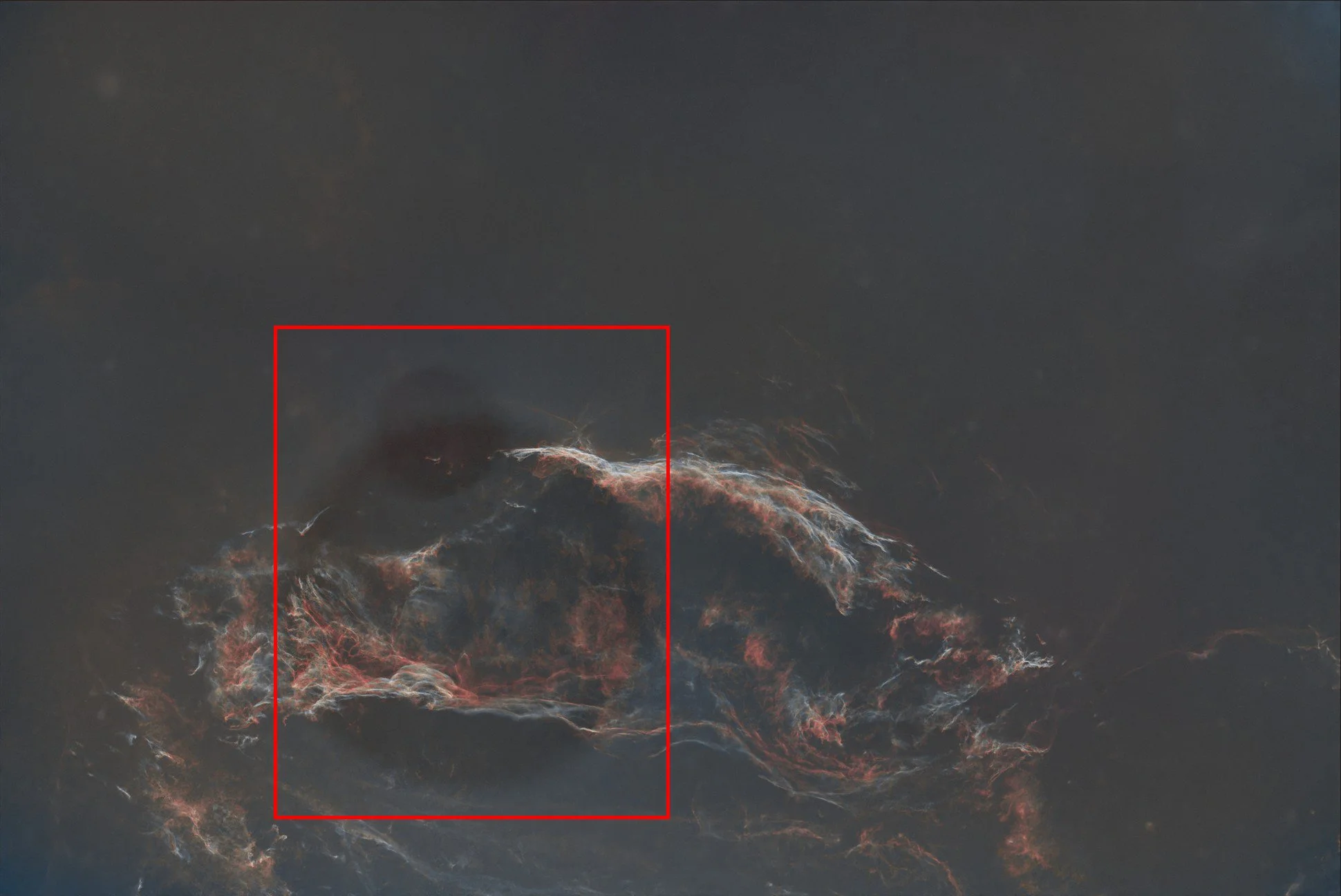
ကျွန်တော်ဒီနေ့ လုံးဝလုံးဝသတိထားရမယ့်အမှားတစ်ခုအကြောင်းရေးပေးပါမယ်။ အဲဒီအမှားက Flats, Flat Darks calibration frame နဲ့ပတ်သက်ပါတယ်။ ဖြစ်ပုံကဒီလိုပါ ရာသီဥတုကကိုယ့်ဖက်ကိုပါနေတုန်းလေး Western Veil Nebula ကို သုံးညတိတိညမအိပ်ပဲနဲ့ အသည်းအသန်ရိုက်ပြီးတယ့်နောက် နောက်ဆုံးညရိုက်လို့အပြီးမှာ လုပ်နေကြဖြစ်တယ့် calibration လုပ်ဖို့အတွက် flats frames ကိုရိုက်နေတယ့်အချိန်မှာ image မှာတွေ့ရတယ့် dust spot ကို frames တွေအားလုံးရိုက်ကူးပြီးတယ့်အချိန်အထိဒီအတိုင်းထားရမှာကို မေ့ပြီးသွားဖယ်မိလိုက်လို့ ပုံတွေကို stacking လုပ်တယ့်အချိန်မှာ calibration ကအဲဒီ dust spot ကို လုံးဝမဖျောက်ပဲထားလိုက်တော့တာလေ။ အမှန်တော့ လုံးဝမဖြစ်သင့်တယ့်အမှားပါ ဘာဖြစ်လို့လဲဆိုတော့ ကျွန်တော့်အနေနဲ့ calibration ကိုအခုမှစလုပ်ဖူးတာမှမဟုတ်တာလေဗျာ။
အမှန်တော့ flats frame calibration ရဲ့သဘောတရားက ရိုက်ထားခဲ့တယ့်ပုံမှာရှိတယ့် အစက်အပြောက် အရိပ်အားလုံးကို ဖျောက်ပေးတာမို့လို့ lights frames တွေအထဲကအနေအထားအတိုင်း flats, flat darks frames တွေကရှိနေရမှာပါ။ အဲဒါကို အခုလိုမျိုးအမှိုက်အစကိုသွားဖယ်ထုတ်လိုက်မိတော့ calibration process လုပ်တယ့်အချိန်မှာပုံထဲကအစက်အပျောက်တွေကို လုံးဝမဖယ်ထုတ်တော့တာလေ။ ကိုယ်ကပုံရိုက်တယ့်အခါ အပင်ပန်းခံပြီးရိုက်တတ်တယ့်သူမို့လို့ အခုလိုမျိုးပြဿနာကြုံရတယ့်အခါ စိတ်တော်တော်တိုရပါတယ်။ သုံးညဆက်တိုက် အိပ်ရေးအပျက်ခံပြီးရိုက်ထားရတယ့်ပုံက အခုလိုမျိုးပြဿနာနဲ့ကြုံရတယ့်အခါမျိုးဆို လူကဘာကိုဒေါသထွက်နေမှန်းကိုမသိတာ။ အခုဒီပိုစ့်ရေးနေတယ့်အချိန်အထိ အိပ်ရေးပျက်လို့ခေါင်းကကိုက်နေတုန်းပါ။ ရထားတယ့်ပုံကိုဖျက်ပစ်လိုက်ချင်ပေမယ့် တတ်နိုင်သလောက်တော့ edit လုပ်ကြည့်ချင်သေးလို့ လောလောဆယ်တော့သိမ်းထားပါသေးတယ်။ နောက်ဆုံးဘယ်လိုမှပြင်လို့မရတာပဲဖြစ်ဖြစ်၊ edit ကိုအရမ်းကြီး over လိုက်ပြီးလုပ်ရတာပဲဖြစ်ဖြစ် လုပ်ရတော့မယ်ဆိုရင်တော့ ဖျက်ပစ်လိုက်မှာပါ။
Astrophotography မှာ Flat Frames က ဖုန်မှုန့် (dust motes) နဲ့ vignetting ကို ပျောက်သွားအောင်လုပ်ပေးတာကို မြင်ရင် အံ့ဩစရာပါပဲ။ အမှန်တော့ software က ဖုန်မှုန့်ကို "ဖျက်ပစ်" လိုက်တာမဟုတ်ဘဲ အလင်းလျော့နေတဲ့နေရာတွေကို ပြန်ပြီးချိန်ညှိပေးတာ ဖြစ်ပါတယ်။ သူ့ရဲ့ အလုပ်လုပ်ပုံကို ရိုးရိုးရှင်းရှင်းလေးရှင်းပြရရင် Flat frame ရိုက်တဲ့အချိန် Telescope ကို အလင်းညီညီပေးပြီး (flat panel, flats cap, t-shirt method စသည်ဖြင့်) Camera, filter, focus, rotation အားလုံးကို light frame ရိုက်တုန်းကအတိုင်း မပြောင်းဘဲ ရိုက်တယ်။ Flat frame ထဲမှာ ဖုန်မှုန့်ရှိတဲ့နေရာတွေမှာ အလင်းနည်းနည်းလျော့နေမယ်။ Frame အစွန်းတွေမှာ vignetting ကြောင့် အလင်းကျနည်းနေမယ်။ Calibration လုပ်တဲ့အချိန် Software (PixInsight, Siril, WBPP, ASIAIR စတာတွေ) ကရိုက်ထားတယ့် Flat frame ကို reference အနေနဲ့ယူပြီး Light frame ရဲ့ pixel တစ်ခုချင်းစီကို Flat ရဲ့ အလင်းအတက်အကျအတိုင်း normalize/divide လုပ်ပေးတယ်။ ဥပမာ Center မှာက 100% အလင်း နဲ့ Dust mote နေရာမှာက 80% အလင်းရှိနေမယ် ဒါကြောင့် Light frame မှာ dust mote ကြောင့် signal 800 counts ဖြစ်နေတယ်ဆိုရင် 800 ÷ 0.8 = 1000 ဆိုပြီး မူလ brightness ကို ပြန်ရလာတာပါ။ ဒါကြောင့် dust mote တွေ "ပျောက်သွားသလို" မြင်ရတာဖြစ်ပါတယ်။ တကယ်တော့ ဖုန်မှုန့်ကို software က erase လုပ်တာမဟုတ်ဘဲ pixel တစ်ခုချင်းစီကို သင်္ချာနည်းနဲ့ ပြန်လည်ညှိပေးတာ ဖြစ်ပါတယ်။ အဲဒီအကြောင်းကို နားလည်လာတဲ့အခါ Flat calibration ဟာ astrophotography ရဲ့ အလွန်လှပတဲ့ အယူအဆတစ်ခုလို့ လူတော်တော်များများ သဘောကျကြပါတယ်ခင်ဗျ။
နောက်တစ်ခုက astrophotography မှာအသုံးပြုကြတယ့် telescope တွေ၊ filter drawer တွေ၊ camera adapters တွေ၊ focuser တွေဟာ weather sealed system မဟုတ်ကြပါဘူး။ အစိတ်အပိုင်းများစွာကို thread တွေနဲ့ချိတ်ဆက်ထားတာဖြစ်လို့ ဖုန်မှုန့်တွေ ဝတ်မှုန်တွေအပြင် Dew residue, Pollen နဲ့အလွန်သေးငယ်တဲ့ fiber တွေဟာ အချိန်ကြာလာတာနဲ့အမျှ optical path ထဲကို ဝင်လာနိုင်ပါတယ်။ အထူးသဖြင့် Filter တွေအပြောင်းအလဲလုပ်တာတို့ Camera တွေဖြုတ်တပ်လုပ်တာတို့ Filter drawer ထဲကို filters တွေထုတ်တာသွင်းတာလုပ်တာတို့ Telescope ကို အိမ်ထဲကနေ အပြင်ထုတ်တာ ဒါမှမဟုတ် နေရာတစ်ခုကနေနောက်နေရာတစ်ခုကိုသယ်ဆောင်တာတို့ စတယ့် activity တွေကြောင့် အထဲကိုဖုန်မှုန့်ဝင်တာက လုံးဝပုံမှန်ပါပဲ။ ဒါကြောင့် astrophotography မှာ "ဖုန်မှုန့်မရှိအောင်ထားမယ်" ဆိုတာထက် "Flat calibration နဲ့ ဖြေရှင်းမယ်" ဆိုတဲ့ အယူအဆကို အသုံးများကြပါတယ်။ တကယ်တော့ professional observatory ကြီးတွေမှာတောင် optics ပေါ်မှာ ဖုန်မှုန့်နည်းနည်းရှိနေတာကို လက်ခံထားပြီး၊ calibration frames (Flats, Darks, Bias) တွေနဲ့ calibration လုပ်ကြရတာပါ။ ဒါကြောင့်လည်း camera, filter drawer, EAF, telescope အားလုံးကိုတစ်ခုချင်းတွဲသုံးရတယ့် modular system လို သင့် setup မှာ dust mote တွေ့ရတာက စိတ်ပူစရာမဟုတ်ပါဘူး။ Focus နဲ့ camera rotation မပြောင်းဘဲ flats ကောင်းကောင်းရိုက်ထားရင် stacking ပြီးတဲ့ final image ထဲမှာ ဖုန်မှုန့်တွေကို လုံးဝနီးပါး မမြင်ရတော့အောင် calibration လုပ်ပေးနိုင်ပါတယ်။ Astrophotography လောကမှာတော့ "Don't chase dust, shoot good flats." လို့တောင် ပြောကြပါတယ်။
ကဲ...အဲ့မှာမေးစရာမေးခွန်းတစ်ခုရှိလာပါပြီ။ ဘာမေးခွန်းလဲဆိုတော့ ဖုန့်မှုန့်ကို flats မရိုက်ခင်ဖယ်ထုတ်လိုက်ရင် calibration ကဘာဖြစ်လို့မမှန်တော့တာလဲ။ အဲဒါက အရမ်းကောင်းတဲ့ မေးခွန်းပါ။ သူ့အတွက်ဖြေပေးရမယ့်အဖြေကတော့ Flat frame ဆိုတာက လက်ရှိကိုယ်ရိုက်နေတယ့်နေ့မှာအသုံးပြုနေတယ့် optical system ရဲ့ အခြေအနေကို မှတ်တမ်းတင်ထားတာ ဖြစ်ပါတယ်။ ဒါကြောင့် ဥပမာတွေနဲ့ရှင်းပြရမယ်ဆိုရင် Light frame ရိုက်ပြီးပြီးသား Filter ပေါ်မှာ ဖုန်မှုန့်တစ်စက်ရှိတယ်။ Light frame 100 ပုံလုံးမှာ အဲဒီ dust shadow ပါနေတယ်။ အဲဒီအခြေအနေမှာ Flat ကိုမရိုက်ခင် ဖုန်မှုန့်ကို သန့်ရှင်းလိုက်တယ် ဒါကြောင့် Flat frame ထဲမှာ အဲဒီ dust shadow မရှိတော့ဘူးဆိုပါတော့။ အဲဒီအခြေအနေနဲ့ calibration လုပ်တဲ့အချိန်မှာ software က "ဒီနေရာမှာ အလင်းလျော့တာ မရှိဘူး" လို့ ထင်ပြီး correction မလုပ်နိုင်တော့ဘူး။ ရလဒ်အနေနဲ့ light frame တွေထဲက dust donut တွေ ကျန်နေပါလိမ့်မယ်။ နောက်အခြေအနေတစ်ခုက Light frames ရိုက်ပြီးနောက် filter ထဲကဖုန်မှုန့်တွေကိုသန့်ရှင်းရေးလုပ်ခြင်း camera angle တွေကိုချိန်းခြင်း စတယ့် အပြောင်းအလဲတွေကိုမလုပ်ပဲ Flat frames ရိုက်မယ်ဆိုရင် Flat ထဲမှာလည်း တူညီတဲ့ dust shadow တွေ ပါနေမှာဖြစ်လို့ software က correction ကိုမှန်မှန်ကန်ကန် ပြန်ညှိပေးနိုင်တာမို့လို့ dust donut တွေမပါတော့တယ့်ပုံကောင်းတစ်ပုံကို ရရှိမှာဖြစ်ပါတယ်။ အဲဒါကြောင့် astrophotography မှာ Light frames နဲ့ Flats တွေဟာ တူညီတဲ့ optical train ကို ကိုယ်စားပြုရမယ်လို့ အရေးကြီးဆုံး စည်းမျဉ်းတစ်ခုအနေနဲ့ သတ်မှတ်ထားတာပါခင်ဗျ။ တကယ်တော့ Camera rotation ပြောင်းသွားတာ၊ Focus အများကြီးပြောင်းသွားတာ၊ Filter ဖြုတ်တပ်လုပ်တာ၊ Filter drawer ထုတ်သွင်းတာ၊ ဖုန်မှုန့်ဖယ်ရှားလိုက်တာ စတဲ့အရာတွေထဲက တစ်ခုခု ဖြစ်သွားရင် Flat တွေက မမှန်တော့နိုင်ပါဘူး။ ဒါကြောင့် လူတော်တော်များများက "Shoot first, clean later." ဆိုပြီး session ပြီးမှ optics ကို သန့်ရှင်းကြပါတယ်။ Flat ရိုက်ပြီး calibration လုပ်ပြီးမှ ဖုန်မှုန့်ဖယ်ရှားတာက အကောင်းဆုံးနည်းလမ်းပါ။
အနှစ်ချုပ်အနေနဲ့ပြောချင်တာကတော့ astrophotography ဆိုတာပုံကောင်းတစ်ပုံရဖို့အတွက် အချိန်အများကြီးပေးပြီးရိုက်ကူးရတာမို့လို့ ရိုက်ကူးရေးရဲ့ဘယ် step ကိုပဲလုပ်လုပ် မလုပ်ခင်မှာ pre-check လုပ်ဖို့မမေ့ပါနဲ့။ နောက်ပြီးဖြစ်နိုင်ရင် တတ်နိုင်သလောက်အိပ်ရေးအပျက်မခံကြပါနဲ့ ကျွန်တော်အခုလုပ်ခဲ့မိတယ့်ပြဿနာက ပုံရလိုဇောနဲ့အိပ်ရေးအပျက်ခံပြီးရက်ဆက်ရိုက်ကူးခဲ့လို့ဖြစ်ရတာပါ။ တကယ်တမ်းကြတော့ astrophotography မှာကရိုက်စရာ subject တွေအများကြီးပါ။ ရာသီအချိန်တစ်ချိန်လုံးရိုက်မယ်ဆိုရင်တောင် ကျွန်တော်ထင်တာမမှားဘူးဆိုရင် တစ်နှစ်ပတ်လုံးကို subject ခြောက်ခု ခုနှစ်ခုလောက်ကို စိတ်တိုင်းကျလှည့်ပတ်ရိုက်နေယုံနဲ့ လိပ်ပတ်လည်မှာမဟုတ်ပါဘူးခင်ဗျ။ ဒါကြောင့်စိတ်ရှည်ရှည်နဲ့ အိပ်ရေးအပျက်မခံပဲ အချိန်ပေးပြီးရိုက်ကြပါလို့တိုက်တွန်းလိုက်ပါတယ်ခင်ဗျ.....
မိုးသားကင်းစင်ကြည်လင်သောညများ ဖြစ်ပါစေ — အမြင်ကောင်းများနှင့် အောင်မြင်သော observation များရရှိပါစေ.....