From Theory to Practice: Finding the Perfect Balance on AM3N & AM5N Mounts
It’s generally considered safest to use only about 50%–70% of your equatorial mount’s rated load capacity. If you want to exceed the stated capacity, you can use a counterweight. However, one important thing to understand is that adding a counterweight does NOT increase the mount’s load capacity—it only helps balance the system from the opposite side.
Because of this, you still can’t freely use oversized or overly heavy lenses/telescopes beyond what the mount is designed for.
For example, the ZWO AM3N mount has an original rated capacity of 17.6 lbs, and with a counterweight, it can handle up to 28.6 lbs. So, for a setup like the RedCat 51 telescope with a full rig weight of around 9 lbs, you don’t need a counterweight. But for heavier setups like the UltraCat 76 telescope or ZWO FF80 APO telescope, which can reach around 15 lbs, using a counterweight becomes necessary.
Even then, adding a counterweight doesn’t mean everything will work perfectly. As mentioned earlier, it only improves balance—not the mount’s inherent capacity. So in windy conditions or during long exposure sessions, you may still encounter issues.
The best practice is to stay within the safe margin of your mount’s rated capacity, whether you use a counterweight or not. For heavier optics, it’s more appropriate to pair them with a higher-capacity mount like the ZWO AM5N mount.
Using counterweights with the ZWO AM3N / AM5N mounts can be a bit tricky. Unlike traditional equatorial mounts, you cannot unlock the RA/DEC axes for free-swing balancing. This is because they use a harmonic (strain-wave) gear design, not a clutch-based system.
This design is sealed and high-reduction, meaning it can produce very high torque with extremely precise, small movements. Another advantage is that it’s maintenance-free or requires very little maintenance, which is why harmonic mounts are becoming so popular.
Now, back to balancing.
Since you can’t free-swing the mount, you need to use rough balancing by hand positioning:
Place the telescope horizontally
Gently feel which side is heavier
Front-heavy (objective side)
Back-heavy (camera side)
Adjust the position forward or backward on the dovetail accordingly
This method only gives you an approximate balance—it won’t be perfect.
To achieve optimal balance, you need to combine:
Rough balancing
Low-speed slew testing
Auto-guiding performance
Among these, auto-guiding results are the best indicator.
From my own experience:
With the RedCat 51, everything worked smoothly. But when I switched to heavier scopes like the UltraCat 76 and FF80 APO, even using a counterweight on the AM5N, I ran into guiding issues.
It took me about a month to find the perfect balance “sweet spot”. It took about a month because there were many cloudy days. Normally, I think it would take around a week. Once I found it, I marked the counterweight position on the shaft and designed a custom counterweight stopper using a 3D printer. Since then, my setup has been much more stable and convenient to use.
Previously, even with light clouds, my guiding error would sometimes spike above 1.0. Now, even when thicker clouds pass through, guiding may briefly lose the star, but most of the time it stays consistently around 0.3–0.5.
Clear skies and happy observing…..
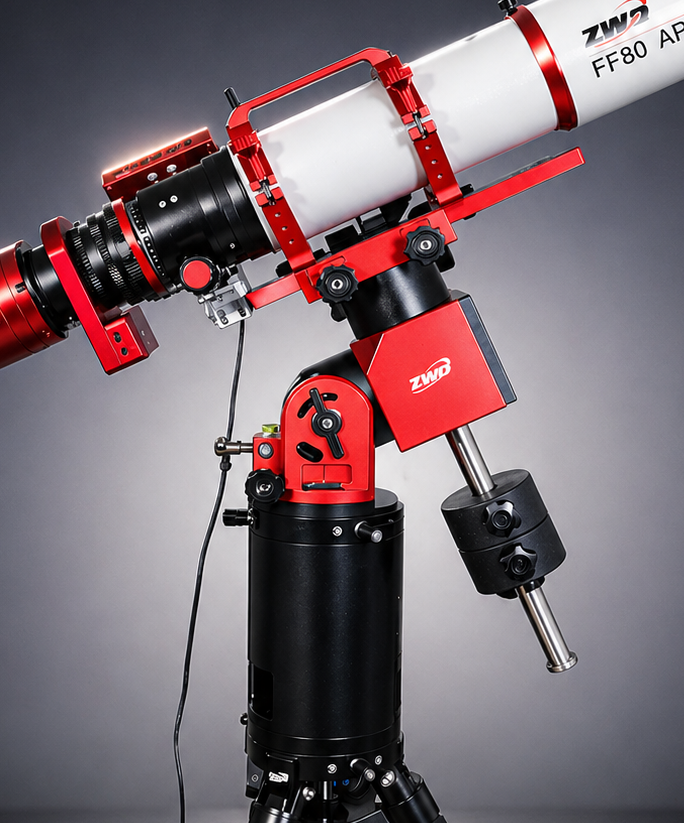
Without Counter Weight Stopper
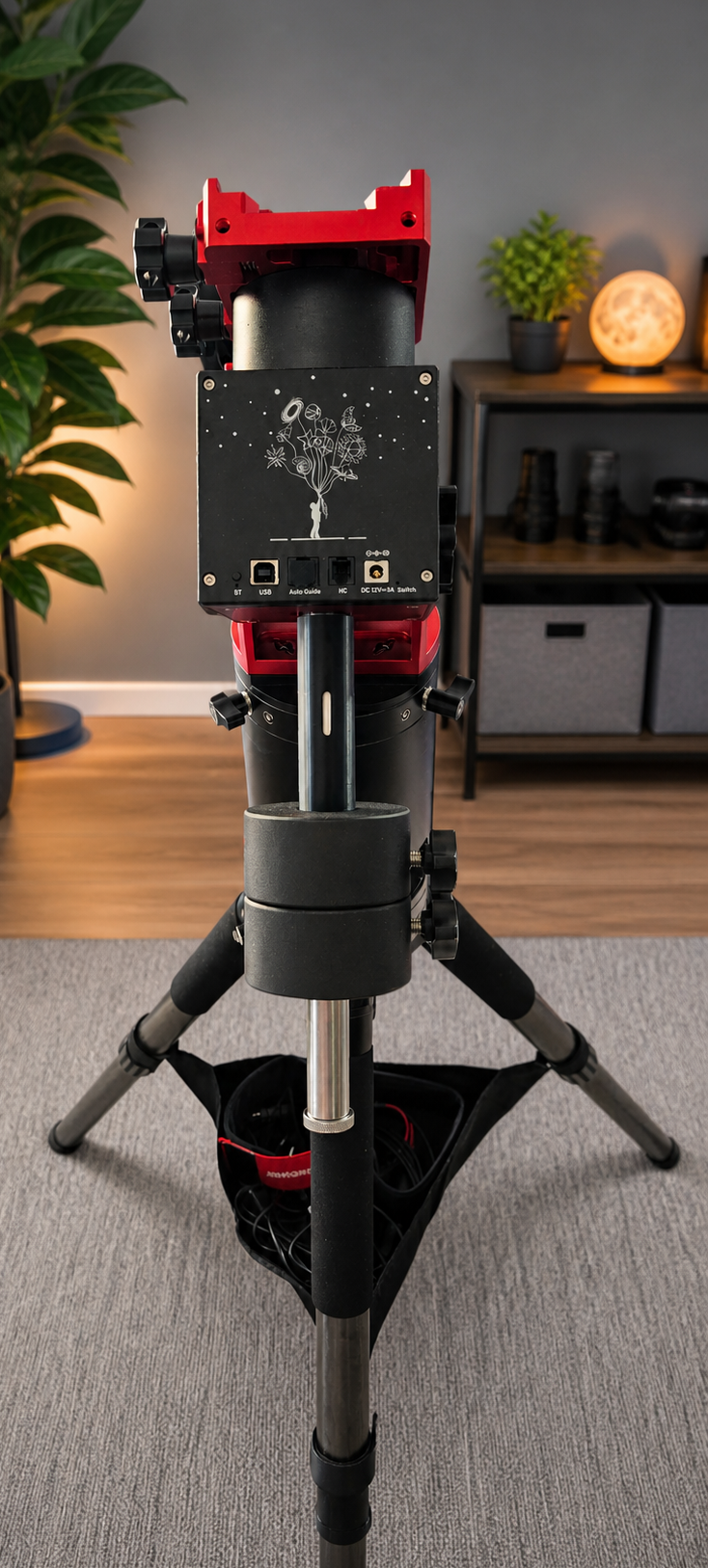
With Counter Weight Stopper
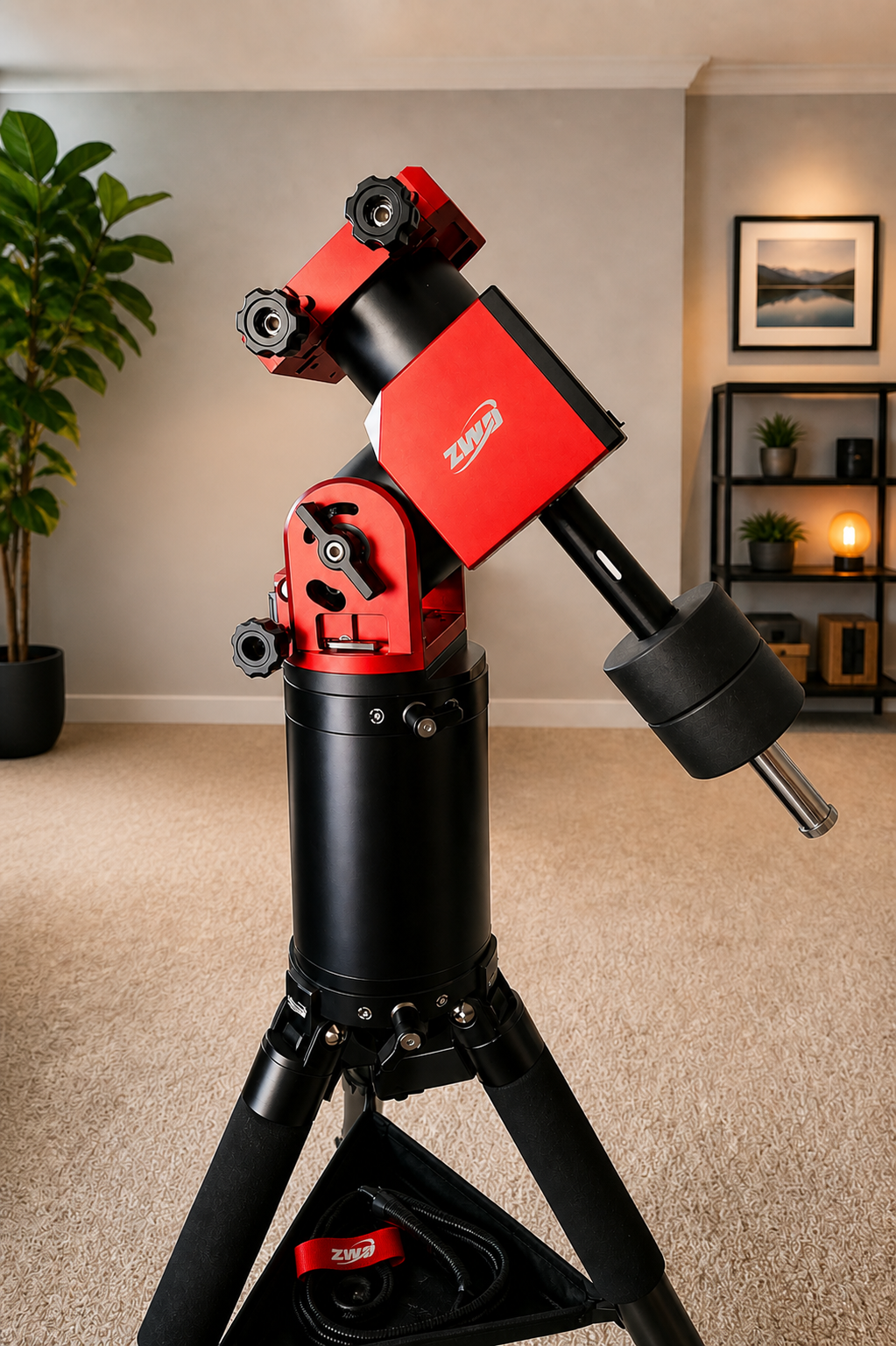
With Counter Weight Stopper
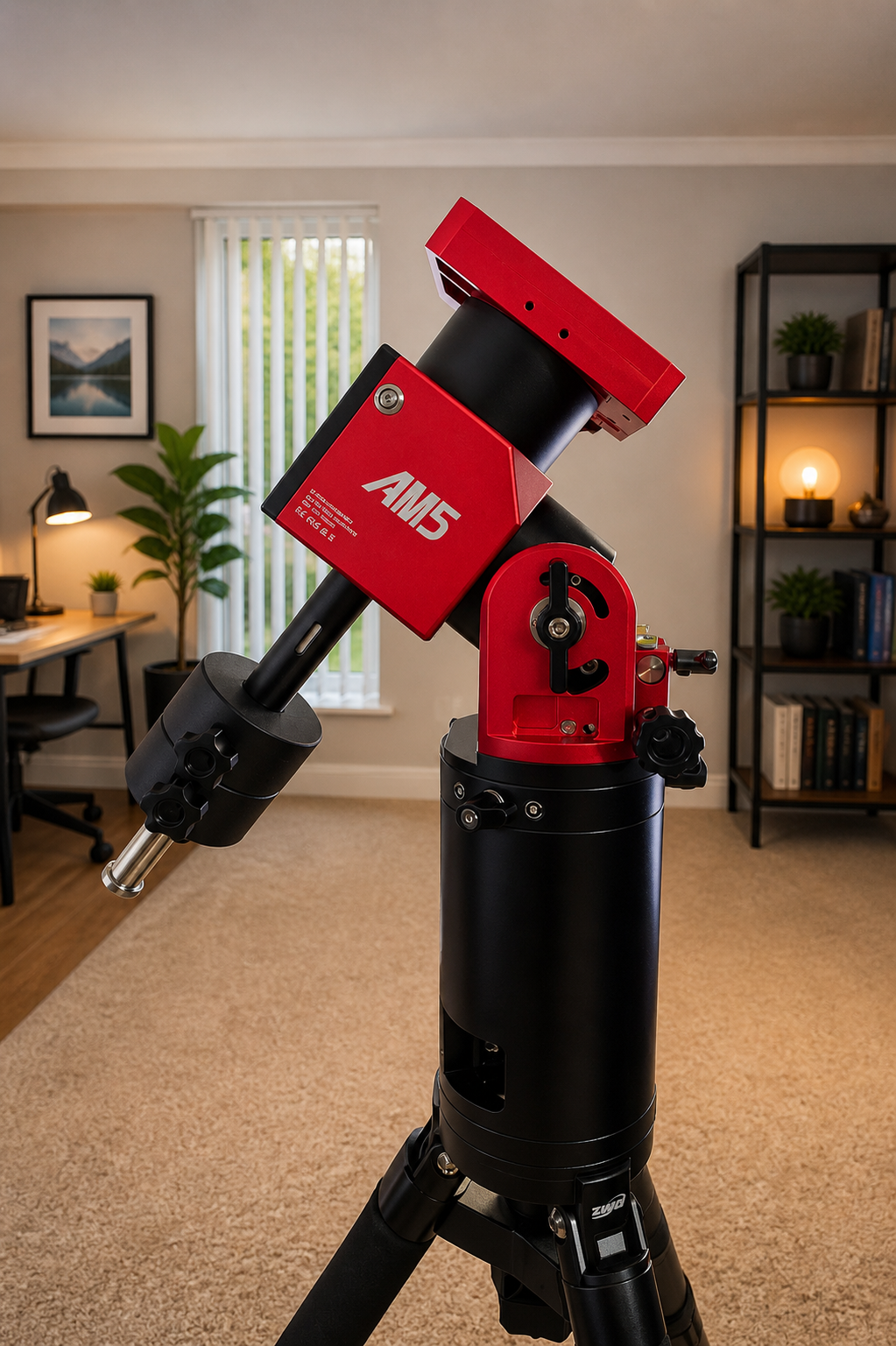
With Counter Weight Stopper
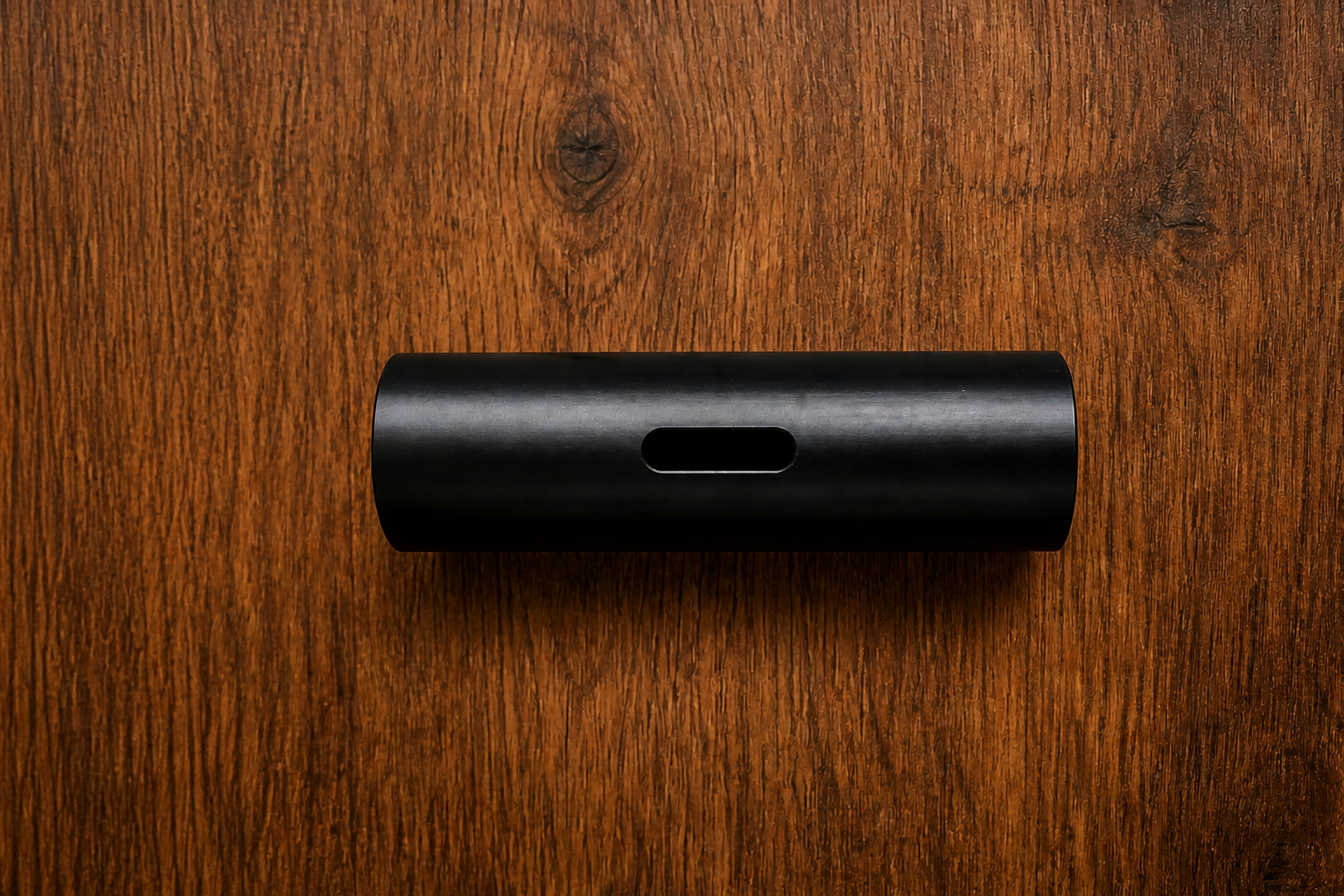
Counter Weight Stopper
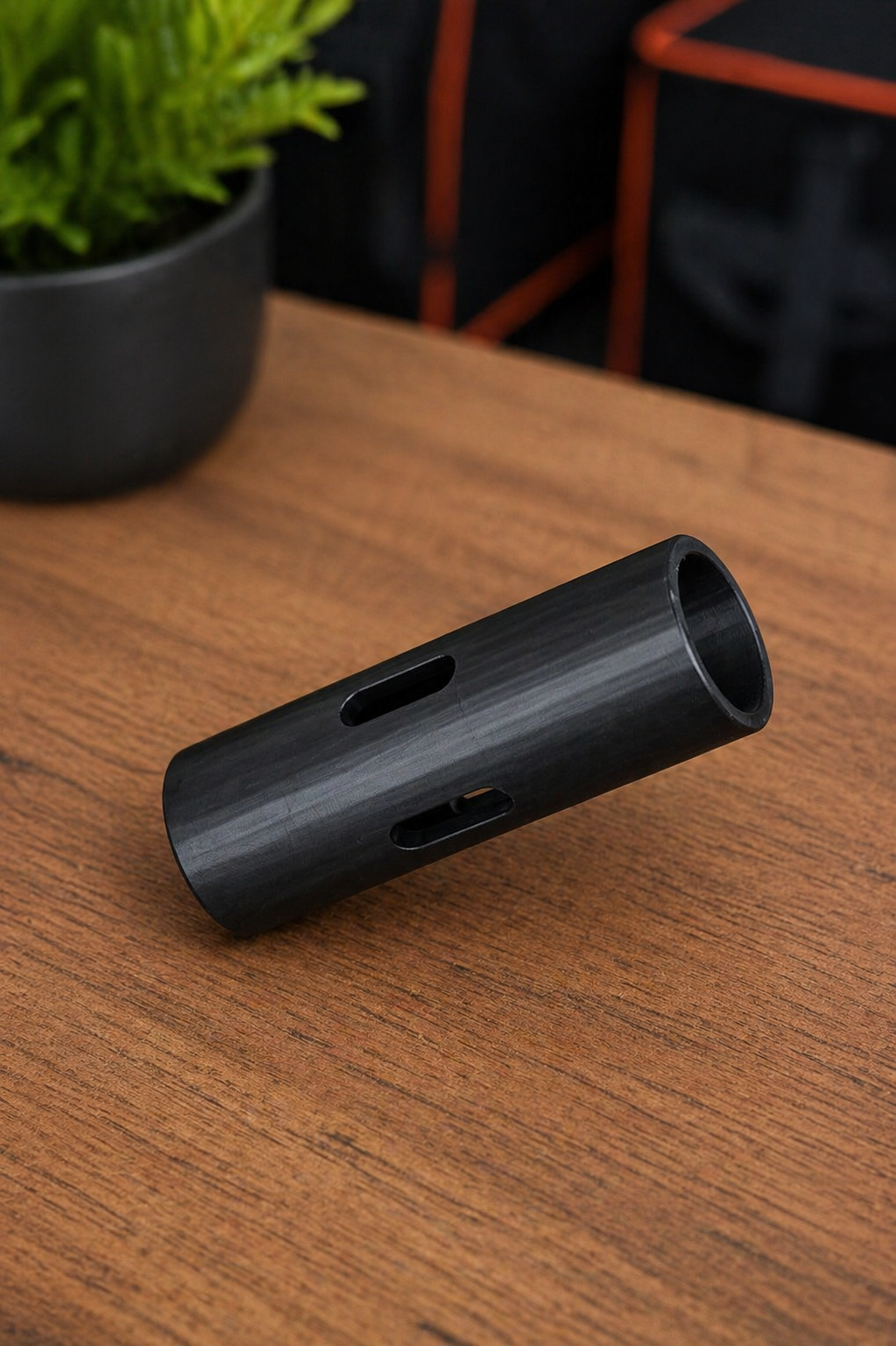
Counter Weight Stopper
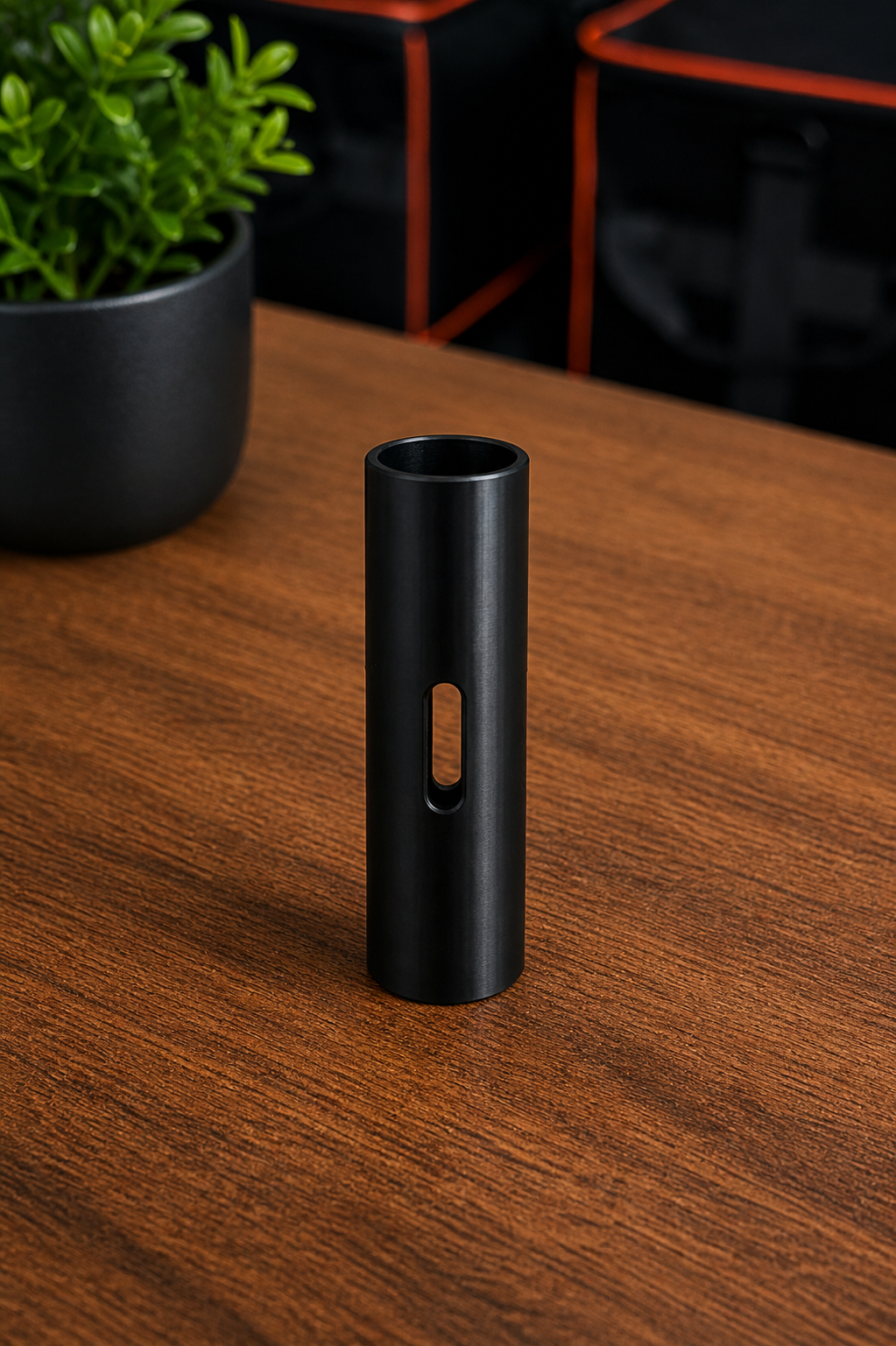
Counter Weight Stopper
ကိုယ်သုံးတယ့် equatorial mount load capacity ရဲ့ 50%-70% လောက်ကိုပဲသုံးခြင်းက safe အဖြစ်ဆုံးပဲလို့သိရပါတယ်။ အကယ်၍သင့်အနေနဲ့ သတ်မှတ်ထားတယ့် capacity ထက်ပိုပြီးသုံးခြင်ရင်တော့ counter weight တပ်ပြီးသုံးလို့ရပါတယ်ခင်ဗျ။ အဲဒီမှာတစ်ခုသတိထားရမယ့်အချက်က counter weight တပ်လိုက်ခြင်းက mount ရဲ့ load capacity ကိုထပ်တိုးလိုက်တာမဟုတ်ပဲ mount ကိုအခြားတစ်ဖက်ကနေပြီး balance ဖြစ်အောင်လုပ်ခြင်းသာဖြစ်တယ်ဆိုတယ့်အချက်ကိုပါပဲခင်ဗျ။ ဒါကြောင့်အရွယ်အစားကြီးတယ့် lens/telescope တွေကိုစိတ်ကြိုက်တပ်သုံးလို့ရမှာတော့မဟုတ်ပါဘူး။ ဥပမာအနေနဲ့ရှင်းပြရရင် AM3N mount ရဲ့ original rated capacity က 17.6 lbs ဖြစ်ပြီး counter weight တပ်သုံးမယ်ဆိုရင် 28.6 lbs ပါ။ ဆိုတော့ကာ full rig load 9 lbs နီးပါးရှိတယ့် Red Cat 51 ကို AM3N mount နဲ့ဆို counter weight တပ်ပြီးသုံးစရာမလိုပေမယ့် full rig 15 lbs ဝန်းကျင်ရှိတယ့် Ultra Cat 76 နဲ့ ZWO FF80 APO တို့လို့ Scopes တွေနဲ့ဆိုရင်တော့ counter weight တပ်သုံးရမှာဖြစ်ပါတယ်ခင်ဗျ။ ဒါပေမယ့် အဲဒီလို counter weight တပ်သုံးလိုက်တာနဲ့ အစစအရာရာ အဆင်ပြေသွားပြီလို့တော့ မဟုတ်သေးပါဘူး ဘာဖြစ်လို့လဲဆိုတော့ ကျွန်တော်အထက်မှာပြောခဲ့သလိုပဲ counter weight တပ်သုံးလိုက်ခြင်းက mount ရဲ့ native load capacity ကိုထပ်တိုးလိုက်တာမဟုတ်ပဲ stability ကို balance ဖြစ်အောင်သာ modify လုပ်ခြင်းသာဖြစ်လို့ windy ဖြစ်တယ့်နေ့တွေ၊ နောက်ပြီး long exposure ကိုအချိန်အကြာကြီးရိုက်တယ့်အချိန်တွေဆို ပြဿနာတက်တတ်ပါသေးတယ်ခင်ဗျ။ အကောင်းဆုံးကတော့ mount မှာ counter weight တပ်သုံးသည်ဖြစ်စေ မသုံးသည်ဖြစ်စေ load rated capacity ရဲ့ safety margin line ကိုကျော်ပြီးမသုံးတာကအကောင်းဆုံးပဲလို့အကြံပြုပါရစေခင်ဗျ။ ဒီထက်ပိုကောင်းတာကတော့ heavy lens/telescope တွေကို AM5N လိုမျိုး rated capacity ပိုများတယ့် mount တွေနဲ့တွဲသုံးတာကပိုပြီးသင့်လျော်တယ်လို့ထင်မြင်မိပါတယ်။
Counter weight ကို ZWO AM3N/AM5N mount တွေမှာတပ်သုံးရတာက နည်းနည်း tricky တော့ရှိတယ်ဗျ။ ဘာဖြစ်လို့လဲဆိုတော့ တစ်ခြား traditional equatorial mount တွေလိုမျိုး RA/DEC ကို free-swing balance ချိန်ဖို့အတွက် mount ကို free ဖြစ်အောင် unlock လုပ်လို့မရလို့ပါပဲခင်ဗျ။ သူတို့ရဲ့ design က harmonic (strain-wave) gear design မို့လို့ clutch နဲ့မဟုတ်ပဲ sealed + reduction ပါ။ ဆိုလိုတာက အရမ်းတိကျတယ့် movement အနည်းငယ်လောက်နဲ့ very high torque ကိုထုတ်ပေးနိုင်အောင်ပြုလုပ်ထားတာဖြစ်ပါတယ်။ နောက်တစ်ခုအားသာချက်ကတော့ maintenance-free or low maintance ပါ။ ဒါကြောင့်လည်း စျေးကွက်ထဲမှာ အရမ်းနာမည်ရနေတယ့် harmonic mount တစ်ခုအနေနဲ့ရပ်တည်နေတာပေါ့ခင်ဗျာ။ အိုကေ ခုနကပြောနေတယ့် balance ချိန်တယ့်အကြောင်းအရာဖက်ပြန်သွားလိုက်ရအောင်။ Mount ကို free-swing unlock လုပ်လို့မရတာဖြစ်တယ့်အတွက် rough balance (by hand positioning) နည်းလမ်းကိုပဲအသုံးပြုပြီး balance လုပ်ပေးရပါတယ်။ လုပ်တယ့်ပုံစံကတော့ scope ကို horizontal ထားပြီးလက်နဲ့နည်းနည်းတော့ကြည့်ပါ။ အရှေ့ဖက် (objective side) က လေးနေလား ဒါမှမဟုတ် အနောက်ဖက် (camera side) က လေးနေသလားဆိုတယ့်အပေါ်မူတည်ပြီး dovetail အပေါ်မှာရှေ့တိုးနောက်ဆုတ်လုပ်ပြီး balance ချိန်ရမှာဖြစ်ပါတယ်။ အဲ့ဒီနည်းတစ်ခုထဲနဲ့ကတော့ သဘောလောက်ပဲလုပ်လို့ရမှာဖြစ်ပြီး perfect balance ဖြစ်အောင်လုပ်လို့ရအုန်းမှာမဟုတ်ပါ။ Perfect balance အတွက်ကတော့ rough balance, low-speed slew test နဲ့ auto-guiding result စတာတွေကိုပေါင်းပြီးလုပ်မှရရှိမှာဖြစ်ပါတယ်ခင်ဗျ။ Auto-guiding result ကတော့ best indicator ပေါ့ခင်ဗျာ။
ကျွန်တော့်မှာလည်း Red Cat 51 scope နဲ့တုန်းကအဆင်ပြေခဲ့သလောက် Ulter Cat 76 နဲ့ FF80 APO scope တွေနဲ့ကြတော့မှ AM5N mount ကို counter weight နဲ့တွဲသုံးတာတောင် guiding မှာပြဿနာတွေနဲ့မို့လို့ balance sweet spot ရအောင်တစ်လလောက်အချိန်ပေးပြီးရှာလိုက်ရတယ်။ ဘာဖြစ်လို့တစ်လလောက်ကြာသွားတာလဲဆိုတော့ မိုးအုံ့တယ့်ရက်တွေများနေလို့ ပုံမှန်ဆို တစ်ပတ်လောက်တော့အချိန်ပေးရမယ်လို့ယူဆပါတယ်။ Sweet spot ရတယ့်နေ့မှာပဲ shaft အပေါ်က counter weight ထားထားတယ့်နေရာကိုမှတ်ထားပြီး 3D printer နဲ့ counter weight stopper တစ်ခုအမြန်ဒီဇိုင်းဆွဲပြီးလုပ်လိုက်လို့ အခုဆိုသုံးရတာတော်တော်ကြီးကိုအဆင်ပြေနေပြီပြောရမယ်ခင်ဗျ။ အရင်ကဆိုကောင်းကင်မှာတိမ်လေးပါးပါးလေးရှိတာတောင် guiding number ကတစ်ခါတစ်လေ 1 အပေါ်ကိုတော်တော်ကြီးတက်တက်သွားတတ်ပြီး အခုကြတော့ ကောင်းကင်မှာတစ်ခါတစ်လေတိမ်ခပ်ထူထူတွေတက်လာသည့်တိုင်အောင် guiding ကခဏလေးသာ star lost ဖြစ်သွားတတ်ပြီး ကျန်တယ့်အချိန်တွေဆို guiding number ကအမြဲတမ်း 0.3-0.5 ဝန်းကျင်လောက်မှာပဲသွားနေတော့တာပါ.....
မိုးသားကင်းစင်ကြည်လင်သောညများ ဖြစ်ပါစေ — အမြင်ကောင်းများနှင့် အောင်မြင်သော observation များရရှိပါစေ.....