How Moon Phases Affect Deep-Sky Astrophotography: A Lesson I Learned Over Time
Before I understood much about astrophotography, I used to hear people say, "Don't bother imaging when the Moon is out—you won't get good results." Honestly, I never paid much attention to that advice. I thought moonlight wouldn't affect my images very much. Since I was still learning, almost every image I captured looked beautiful to me regardless of the conditions. However, one thing I constantly noticed was that some images had a lot of noise while others were surprisingly clean. Same place, same target, same direction, same settings—so why the difference? It turns out that moonlight was the main reason behind those variations in noise. In fact, I can honestly say that I only truly understood this concept while writing this post. Actually, having more moonlight does not directly increase camera noise, but because the Signal-to-Noise Ratio (SNR) in the sky background decreases, the image tends to appear grainier.
The Best Moon Phases for Astrophotography
The best time for deep-sky astrophotography is during the New Moon. With little to no moonlight, the sky reaches its darkest condition, providing ideal circumstances for imaging nebulae, galaxies, dark nebulae, and the Milky Way. Both broadband and narrowband filters perform exceptionally well under these conditions.
During the Waxing and Waning Crescent phases, moonlight is still relatively weak. Once the Moon sets below the horizon in the evening or early morning, the remaining hours can still provide excellent opportunities for deep-sky imaging.
Around the First Quarter and Last (Second) Quarter Moon, moonlight becomes more significant. Broadband targets such as galaxies and reflection nebulae may suffer a noticeable loss in image quality, but narrowband filters like the L-eNhance, L-eXtreme, and L-Ultimate can still produce very good results.
The Full Moon is generally considered the most challenging phase for deep-sky astrophotography. With the entire sky illuminated, galaxies and reflection nebulae are difficult to capture effectively. However, strong Hα/OIII narrowband targets can still be photographed successfully with high-performance filters such as the L-Ultimate.
For lunar, planetary, and solar imaging, however, the Full Moon is not a problem at all. Many astrophotographers consider the period from about three days before New Moon until three days after New Moon—a seven-day window—to be the "Golden Week" for deep-sky imaging. In the images attached to this post, the Heart Nebula, Soul Nebula, and Veil Nebula were photographed between the Quarter Moon and Full Moon phases, while the North America Nebula and Pelican Nebula were captured around New Moon. All of these images were taken using narrowband filters, specifically the L-eNhance and L-eXtreme.
Clear skies and happy observing…..
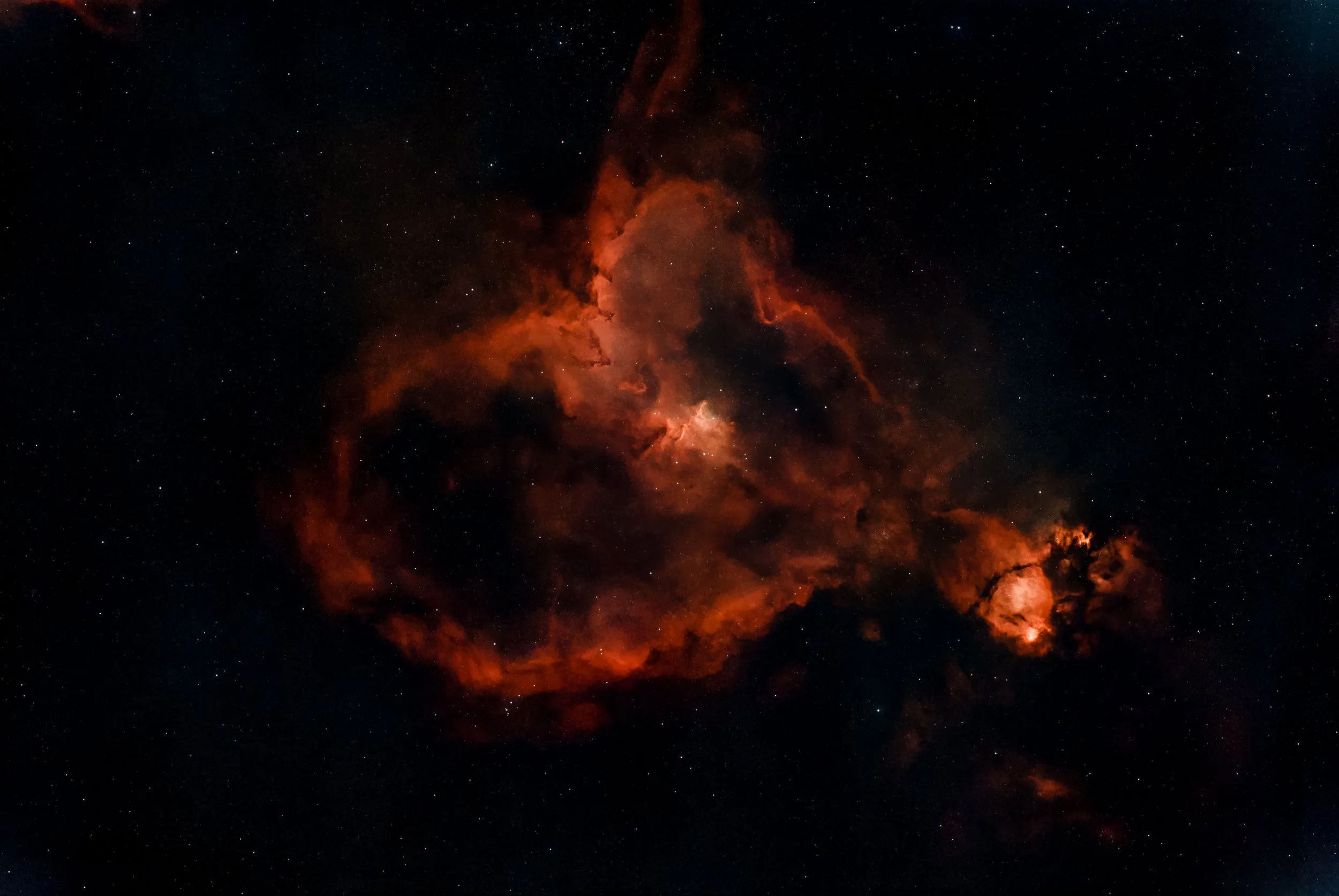
Heart Nebula (IC 1805)
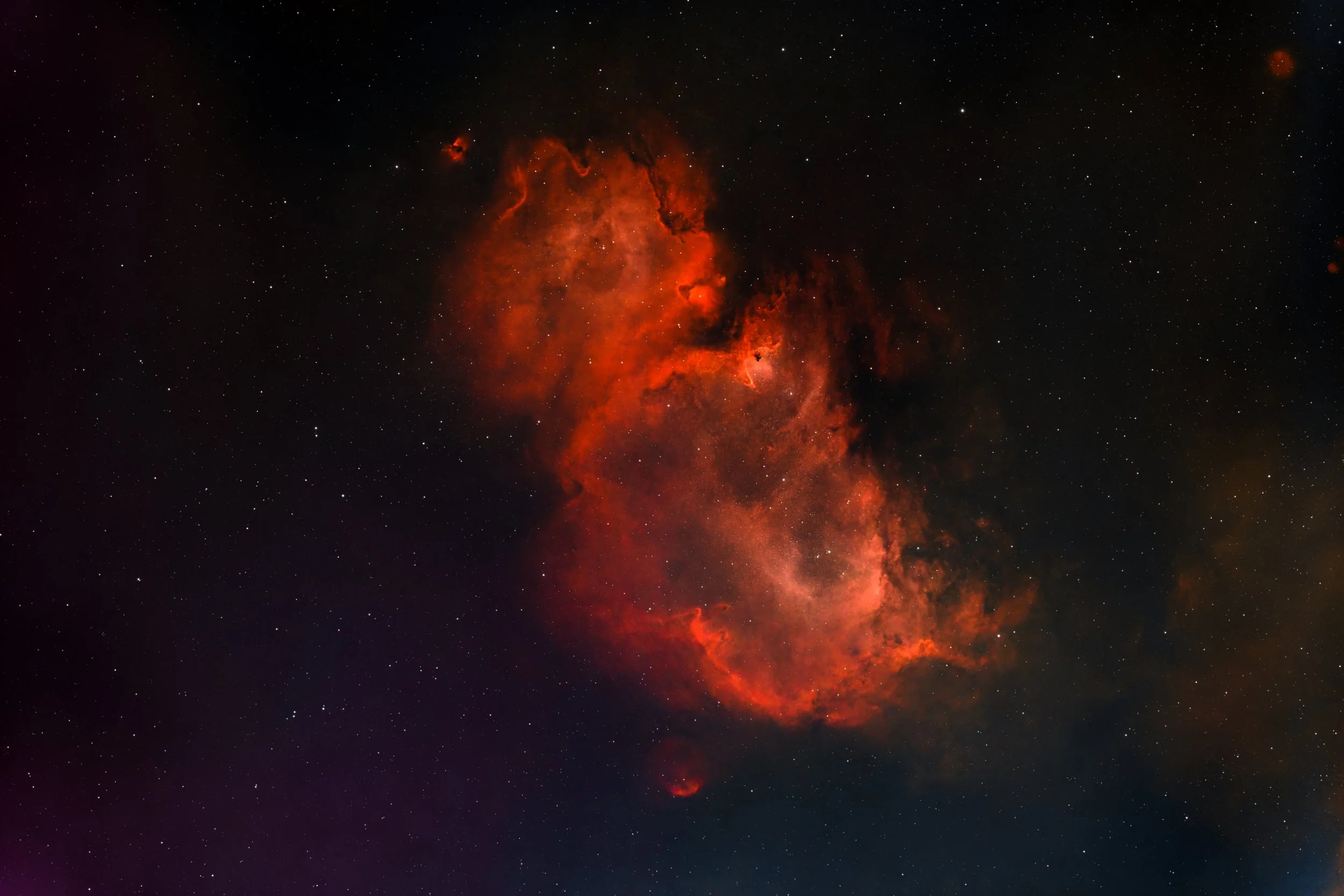
Soul Nebula (IC 1848)
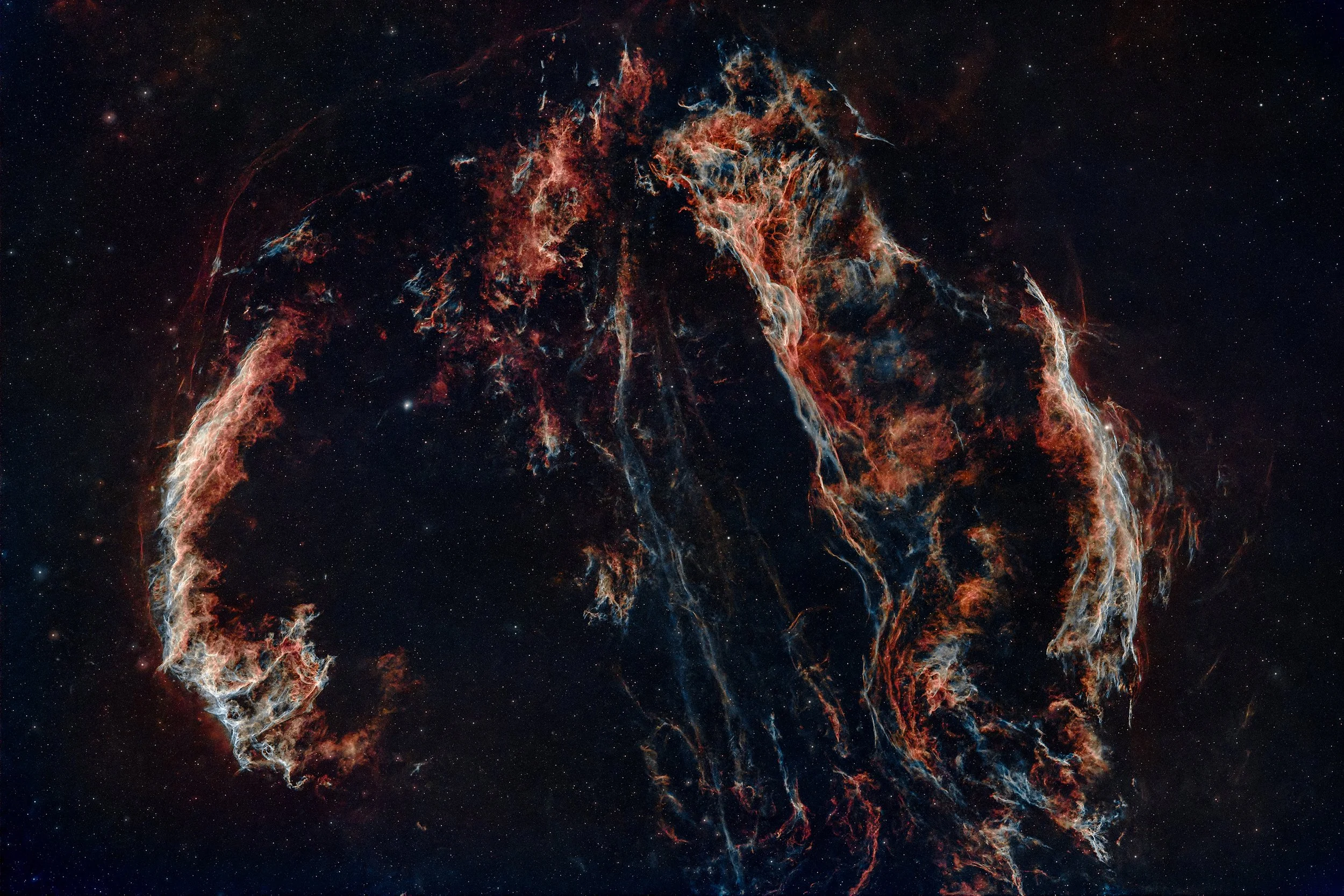
Veil Nebula
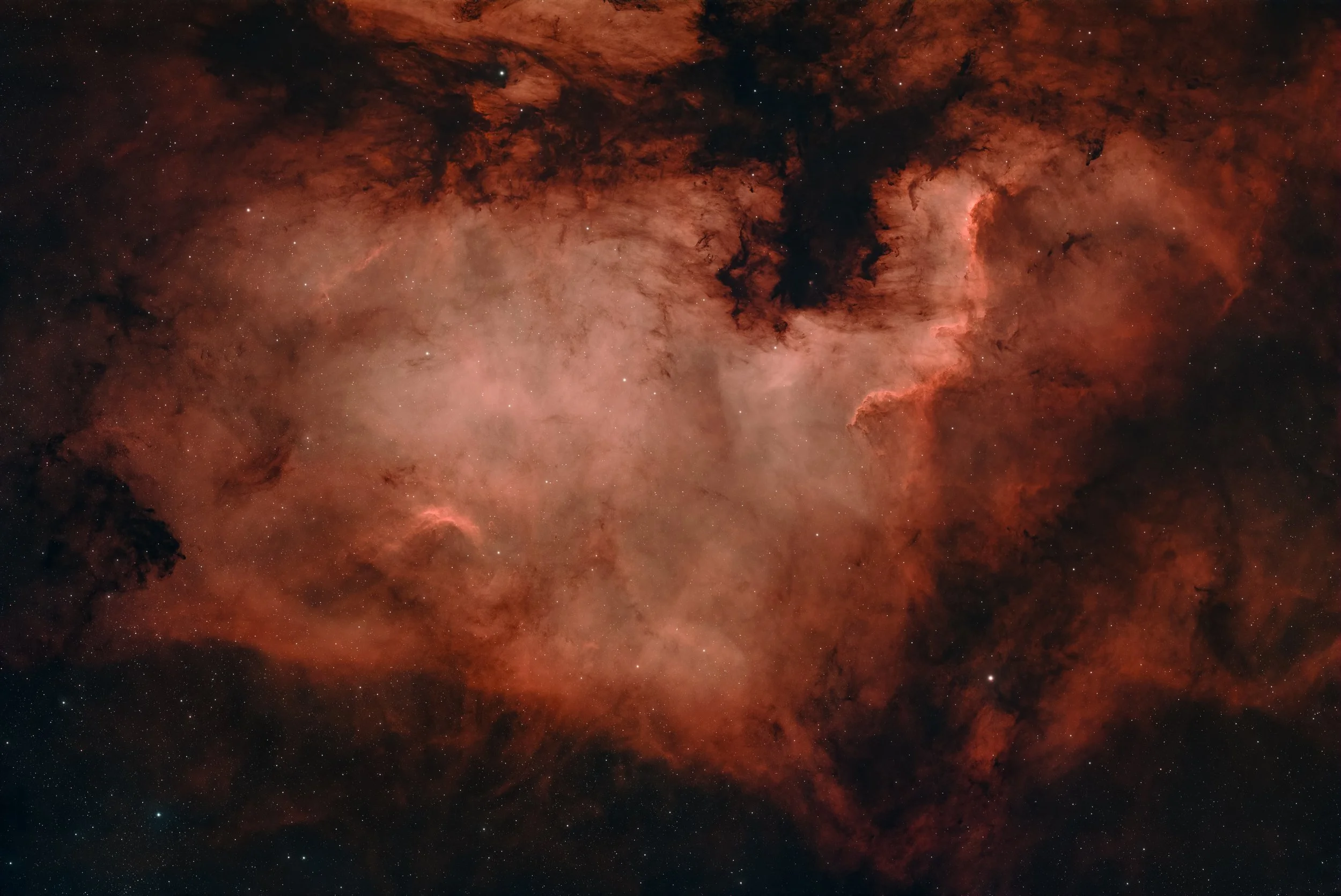
North America Nebula (NGC 7000)
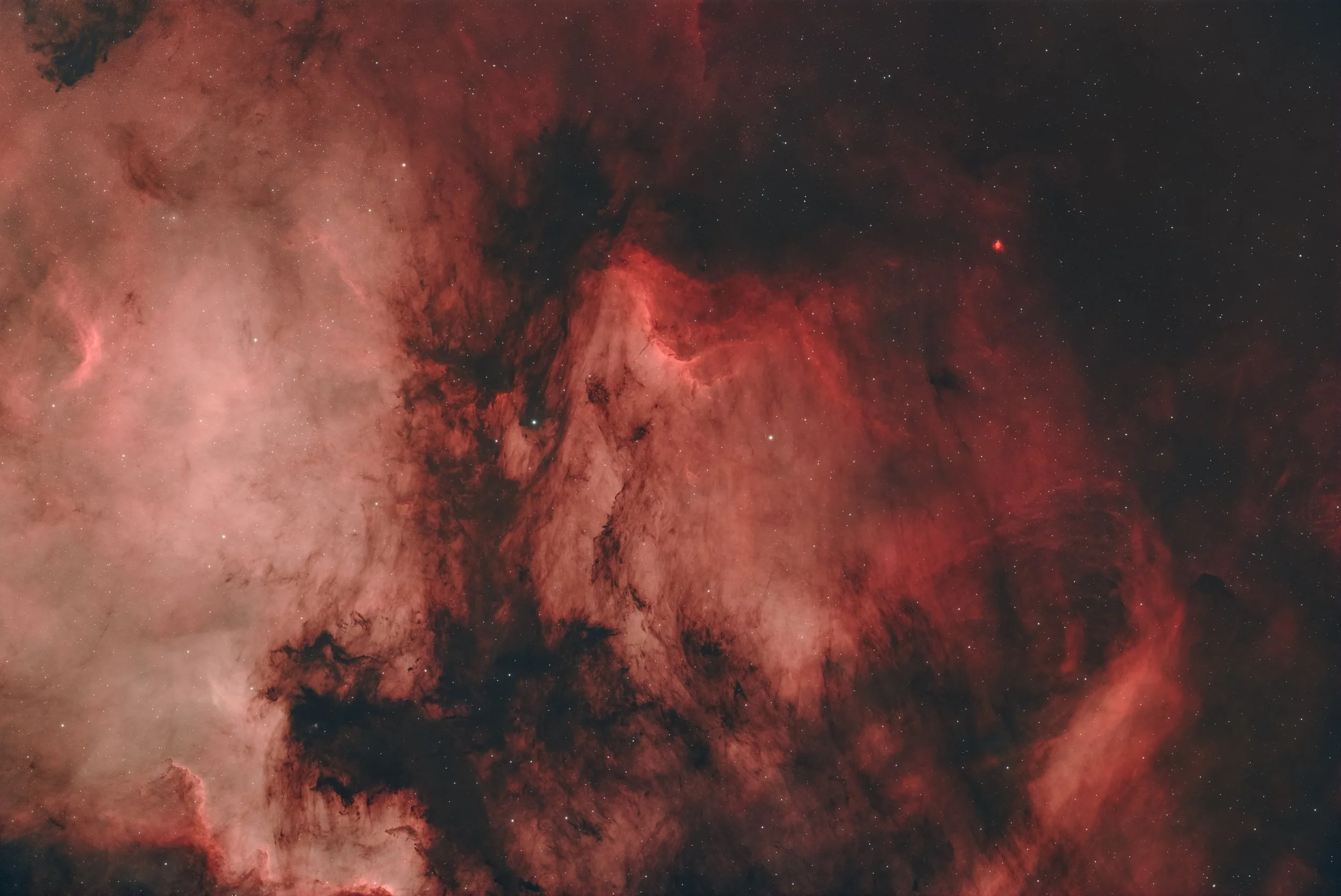
Pelican Nebula (IC 5070)
Astrophotography နဲ့ပါတ်သက်ပြီးသိပ်နားမလည်ခင်တုန်းကတော့ လရောင်ရှိနေရင် အဲ့ညကိုဓာတ်ပုံရိုက်ဖို့မကြိုးစားပါနဲ့ ပုံကောင်းမရနိုင်ဘူးလို့ပြောကြတာကို သိပ်ပြီးတော့အလေးမထားခဲ့မိဘူး။ကိုယ်ထင်တာက လရောင်ကကိုယ့်ရဲ့ပုံထွက်သိပ်ပြီးမထိခိုက်လောက်ဘူးထင်လို့ ထင်ခဲ့တာလေ။ အစပိုင်းသင်ယူနေဆဲကာလဆိုတော့ ဘာပဲရိုက်ရိုက်ကိုယ့်ပုံကိုလှနေတယ်လို့ပဲ ယူဆနေတာ။ တစ်ခုပဲတောက်လျှောက်သတိထားမိတာက ဘာဖြစ်လို့တစ်ချို့ပုံတွေမှာ noise ကများနေပြီး တစ်ချို့ပုံတွေမှာတော့ noise ကမရှိသလောက်နည်းနေရတာလဲဆိုတယ့်အချက်ကိုပါပဲ။ Same place, same position, same target, same direction, same setting မှာပဲကို why ပေါ့။ တကယ်တော့ အဲ့ဒီလရောင်ကြောင့်ပဲ noise ဆိုတာကများလိုက်နည်းလိုက်ဖြစ်နေတာပါ။ အဲ့ဒီအကြောင်းအရာကိုလည်း အခုပိုစ့်ရေးနေတယ့်အချိန်မှာမှ ကောင်းကောင်းနားလည်သဘောပေါက်မိတယ်လို့ပြောလို့ရပါတယ်။ အမှန်ကတော့ လရောင်များခြင်းက camera noise ကိုတိုက်ရိုက်မတိုးစေပေမယ့် sky background မှာ Signal-to Noise Ratio (SNR) ကျသွားတာမို့လို့ ပုံမှာ grainy ပိုဖြစ်လာတတ်တာပါ။
Astrophotography ရိုက်လို့အကောင်းဆုံးနေ့တွေကတော့ လကွယ်နေ့ (New Moon) ပါပဲ။ လရောင်မရှိသလောက်ဖြစ်တယ့်အတွက် ကောင်းကင်အမှောင်ဆုံးအခြေအနေကိုရရှိမယ်။ Nebula, Galaxy, Dark Nebula, Milky Way စတဲ့ deep sky object တွေကို အကောင်းဆုံးအခြေအနေနဲ့ရိုက်လို့ရမှာဖြစ်ပြီး Narrowband နဲ့ Broadband filters နှစ်မျိုးစလုံးအတွက် အထူးကောင်းမွန်တယ့် အခြေအနေလည်းဖြစ်ပါတယ်။ လဆန်း/လဆုတ် (Waxing/Waning Crescent) ရက်တွေကလည်း လရဲ့အရောင်နည်းသေးတာဖြစ်တယ့်အတွက် ညအစပိုင်း ဒါမှမဟုတ် မနက်ပိုင်း လကမိုးကုပ်စက်ဝိုင်းအောက်ရောက်သွားတယ့်အချိန်တွေမှာဆို deep sky ရိုက်လို့ကောင်းတယ့် အချိန်တွေပါ။ လဆန်း/လဆုတ် လတစ်ဝက်ပြည့် (First Quarter Moon/Second Quarter Moon) တယ့်ရက်တွေမှာတော့ ကောင်းကင်မှာလရောင်ပိုများလာတာမို့လို့ Broadband targets တွေဖြစ်တယ့် Galaxy နဲ့ Reflection Nebula တွေအတွက်တော့ အရည်အသွေးကျလာနိုင်တယ်ဆိုပေမယ့် Narrowband Filters တွေဖြစ်တယ့် L-eNhance, L-eXtreme, L-Ultimate တွေနဲ့တော့ရိုက်လို့ရပါသေးတယ်။ လပြည့်နေ့ (Full Moon) ကတော့အဆိုးဆုံးရက်တွေပါပဲ။ ကောင်းကင်တစ်ခုလုံးက လင်းထိန်တောက်ပနေတဲ့အတွက် Galaxy နဲ့ Reflection Nebula တွေအတွက် ရိုက်ဖို့မသင့်တော်တယ့်ရက်လို့ပြောရမှာပါ။ ဒါပေမယ့် Ha/OIII Narrowband Targets တွေကိုတော့ filter ကောင်းကောင်း (ဥပမာ L-Ultimate) သုံးရင်ရိုက်လို့ရပါတယ်။
Moon, Planetary, Solar imaging တွေအတွက်ကတော့ Full Moon ကပြဿနာမရှိပါဘူးခင်ဗျ။ အများအားဖြင့် Astro photographer တွေက လကွယ်နေ့မတိုင်ခင် သုံးရက်လောက်ကနေစပြီး လကွယ်ပြီးနောက်သုံးရက်အထိ (7-days window) ကို "Golden Week" လို့သတ်မှတ်ကာ deep sky imaging အတွက်အသုံးများကြပါတယ်ခင်ဗျ။ ဒီပိုစ့်မှာတွဲပြီးပြထားတယ့်ပုံတွေမှာ Heart Nebula, Soul Nebula, Veil Nebula တွေက Quarter Moon နဲ့ Full Moon အကြားမှာရိုက်ထားတာဖြစ်ပြီး North America Nebula, Pelican Nebula တို့ကတော့ New Moon ပတ်ဝန်းကျင်မှာရိုက်ထားတာဖြစ်ပါတယ်။ အသုံးပြုထားတယ့် filters တွေကတော့ Narrowband Filters တွေဖြစ်တယ့် L-eNhance နဲ့ L-eXtreme တို့ပါပဲခင်ဗျ.....
မိုးသားကင်းစင်ကြည်လင်သောညများ ဖြစ်ပါစေ — အမြင်ကောင်းများနှင့် အောင်မြင်သော observation များရရှိပါစေ.....