Long Nights, Heavy Gear, Healthy Body: Your Mount Isn’t the Only Thing That Needs Stability
I mentioned in my previous posts that the longer the integration time, the better the final image quality will be. But there are still a few things I want to explain further, so I decided to write this post. When we say “the longer you shoot, the better the image,” we also need to consider what time of night we are shooting and how many nights we should spread the imaging session across. For example, if your target can be captured during the earlier part of the night, between 6 PM and 12 AM, it usually isn’t much of a problem. But if your target is only available from midnight until dawn, around 12 AM to 6 AM, then you really need to consider your health condition as well when deciding how many nights you should image. For younger people, shooting at any hour may not be a big issue. But for people like us who are already reaching middle age, I personally feel that if we have to image after midnight, we probably shouldn’t shoot for more than three hours per night. And even with those three-hour sessions, it’s better to take one night off after every two nights of imaging. The reason is simple — if you keep shooting for three or four consecutive nights without proper rest, there’s a good chance you’ll start experiencing body aches, fatigue, and stiffness.
At this point, some questions naturally come up. For example: “Why not just sleep during the day and shoot at night?” Well, that works only if you don’t have to wake up for work in the morning. Then another question: “Why not sleep for a while during the imaging session?” That really depends on the person, the location, and the gear being used. Whether you can actually sleep or not depends heavily on where you’re imaging and what equipment you are using. Even if you are shooting from your own backyard, there are still concerns: Are there any animals wandering around at night? Are the gears working properly? Is everything still tracking correctly? Those thoughts are always in the back of your mind. In my opinion, if you are imaging with regular camera setups, it might be possible to take short naps during the session. But if you are using telescopes, it’s best if you can check your gears at least once every hour. Because of that, getting proper sleep during the session becomes difficult, which is why I personally don’t recommend imaging for more than three hours at a time. Another thing is that the feeling of worrying every time you hear a random sound outside… honestly, that’s also part of the unique flavor of nightlife astrophotography.
Well… just when I thought I was about to wrap up this post, another point came to mind. Astrophotography is best done on nights with good weather and completely clear skies. So even if you’re exhausted, when the weather is finally on your side, deciding whether to keep shooting for consecutive nights or not becomes a battle with yourself. The difficult part is… I’ve personally gone through situations like that many times too, sacrificing sleep and even my health just to keep shooting.
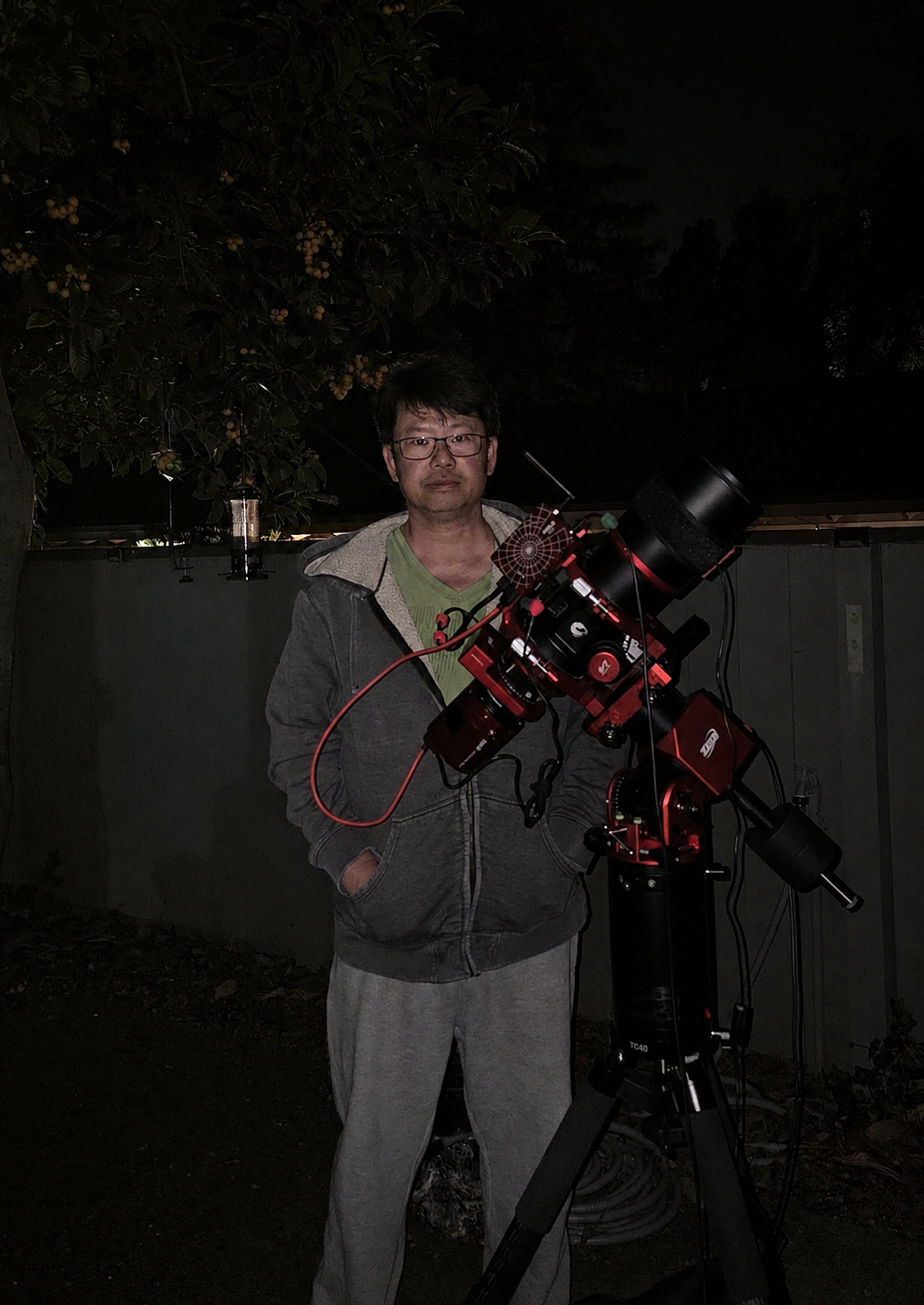
The attached photo was actually a snapshot my wife took of me after shooting nonstop for an entire week — from midnight until 5 AM every single night. You can probably tell from my face just how exhausted I was.
Clear skies and happy observing…..
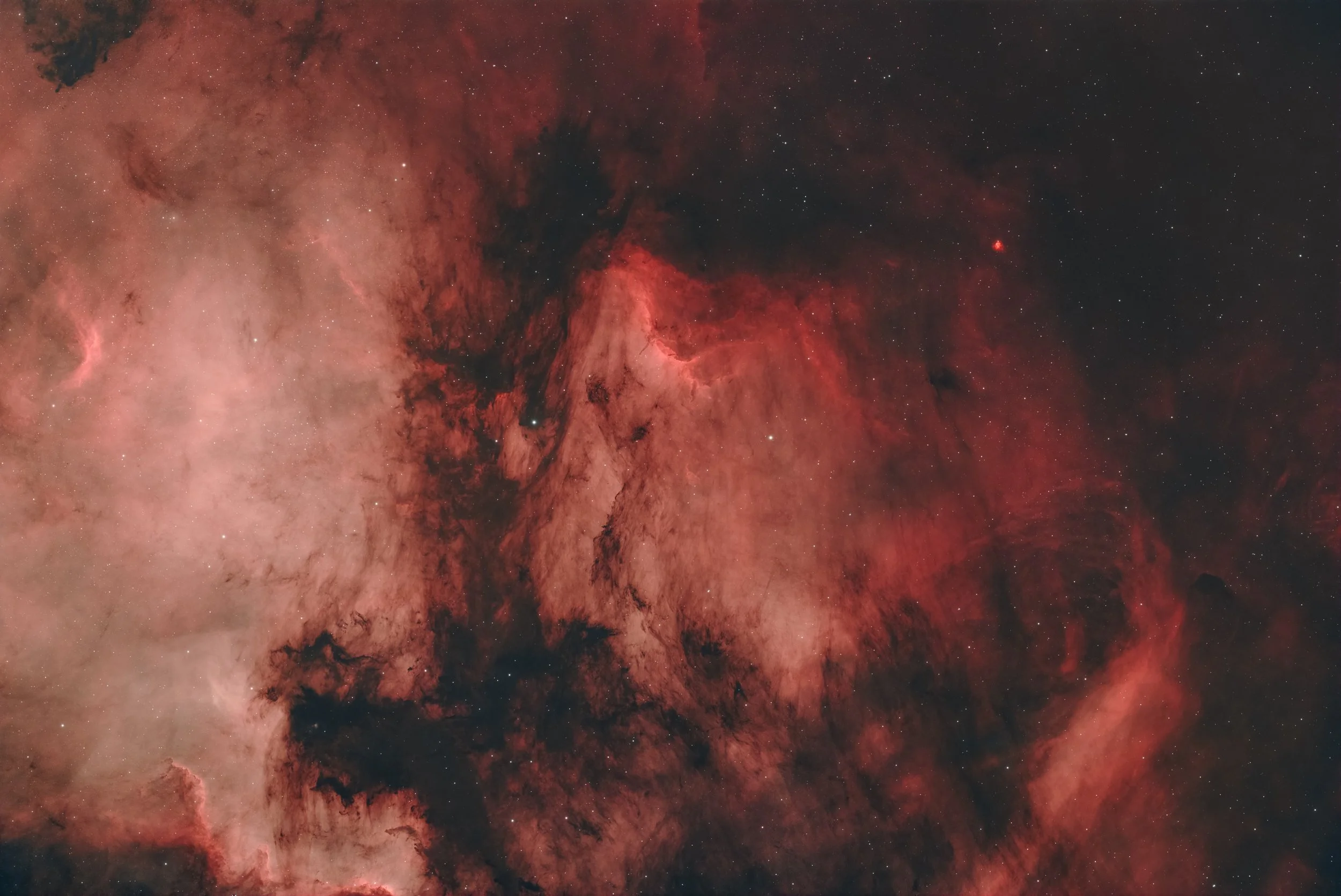
7 hours & 55 minutes integration time
Integration time ကြာကြာရိုက်လေ ပုံထွက်ပုံကောင်းလေဆိုတာကို previous post တွေမှာကျွန်တော်ပြောခဲ့တယ်နော်။ ဟုတ်ပြီ အဲဒီမှာကျွန်တော်အနည်းငယ်ထပ်ပြီးရှင်းပြစရာလေးတွေရှိနေလို့ ဒီပိုစ့်ကိုထပ်ရေးလိုက်တာပါ။ အချိန်ကြာကြာရိုက်လေ ပုံထွက်ပိုကောင်းလေဆိုတာမှာ ကိုယ်ကညတစ်ညရဲ့ဘယ်အချိန်မှာရိုက်ရတယ်ဆိုတယ့်အပေါ်မူတည်ပြီး ဘယ်နှစ်ညရိုက်သင့်သလဲဆိုတယ့်အချက်ကိုထည့်ပြီးစဥ်းကိုစဥ်းစားရမှာပါ။ ဘာဖြစ်လို့လဲဆိုတော့ ကိုယ်ရိုက်ရမယ့် subject ကညဦးပိုင်းအချိန်ဖြစ်တယ့် 6 PM to 12 AM အတွင်းမှာရိုက်ရမယ်ဆို သိပ်ပြဿနာမရှိပေမယ့် သန်းခေါင်ယံကနေမနက်အာရုံတက်အချိန်ဖြစ်တယ့် 12 AM to 6 AM အချိန်အတွင်းမှာဆိုရင်တော့ ကိုယ့်ရဲ့ကျန်းမာရေးအနေအထားနဲ့ပါထည့်သွင်းစဥ်းစားပြီး ဘယ်နှစ်ရက်ရိုက်သင့်သလဲဆိုတာကိုတွက်ချက်ရမှာပါခင်ဗျ။ လူငယ်ပိုင်းတွေအတွက်ကတော့ ဘယ်အချိန်ပဲရိုက်ရိုက်သိပ်ပြဿနာမရှိပေမယ့် ကျွန်တော်တို့လိုမျိုး သက်လတ်ပိုင်းအချိန်ကိုရောက်ရှိနေပြီဖြစ်တယ့်သူတွေအတွက်ကတော့ သန်းခေါင်ယံနောက်ပိုင်းမှာရိုက်ရတော့မယ်ဟေ့ဆိုရင်တစ်ညကို သုံးနာရီထက်ပိုပြီးမရိုက်သင့်ဘူးလို့ယူဆမိပါတယ်။ အဲဒီသုံးနာရီဆိုတယ့်အချိန်ကိုတောင် နှစ်ရက်ရိုက်ပြီးတစ်ရက်တော့နားကိုနားသင့်ပါတယ်။ ဘာဖြစ်လို့လဲဆိုတော့ အကယ်၍များသုံးလေးညဆက်တိုက်လောက်မနားပဲရိုက်လိုက်ပြီဟေ့ဆိုရင် အခန့်မသင့်ရင်ညောင်းညာကိုက်ခဲမှုတွေဖြစ်လာနိုင်တာမို့လို့ပါပဲခင်ဗျ။
အဲ့ဒီမှာမေးစရာမေးခွန်းတွေကရှိလာပါပြီ။ ဘာတွေလဲဆိုတော့ ခင်ဗျားနေ့ခင်းဖက်အိပ်ပြီး ညဖက်ထရိုက်ပေါ့ဆိုတယ့်မေးခွန်းပေါ့။ ဒါကလည်းကိုယ်ကမနက်ကိုအလုပ်ထမသွားရဘူးဆိုရင်တော့ဟုတ်တာပေါ့ဗျာ။ ဒါဆိုလည်းညဖက်ရိုက်နေတယ့်အချိန်ခဏအိပ်နေပေါ့ဗျာဆိုပြီးမေးလာခဲ့ရင်တော့ ဒါကရိုက်တယ့်သူအပေါ်အများကြီးမူတည်သွားပါပြီ။ ဘာဖြစ်လို့လဲဆိုတော့ ကိုယ်ကဘယ်နေရာမှာရိုက်နေရတယ် ဘယ် gear တွေနဲ့ရိုက်နေတယ်ဆိုတယ့်အပေါ်မူတည်ပြီး အိပ်လို့ရတယ်မရတယ်ဆိုတာကရှိသေးတာမို့လို့ပါ။ Even though ကိုယ့်အိမ်ရဲ့ခြံထဲမှာရိုက်ရတယ်ဆိုရင်တောင် ညဖက်အလည်လာတတ်တယ့်အကောင်ပလောင်တွေရဲ့အန္တရာယ်ကကင်းရဲ့လား၊ ငါ့ gear တွေကောင်းကောင်းမှအလုပ်လုပ်ရဲ့လားဆိုတယ့်စိတ်ကဖြစ်နေတာမို့လို့ ကျွန်တော့်အမြင်ကတော့ regular camera တွေနဲ့ရိုက်မယ်ဆိုရင် ရိုက်နေတယ့်အချိန်မှာ ညဖက်ခဏအိပ်လို့ရပေမယ့် telescope တွေကိုအသုံးပြုပြီးရိုက်မယ်ဆိုရင်တော့ gears တွေကိုတစ်နာရီတစ်ခါလောက် checking လုပ်နိုင်ရင်အကောင်းဆုံးမို့လို့ ခဏတာအိပ်စက်ဖို့အဆင်မပြေလောက်လို့ သုံးနာရီထက်ပိုပြီးတော့မရိုက်ကူးစေချင်ပါ။ နောက်တစ်ချက်က အသံတစ်ခုခုကြားတိုင်းစိတ်ပူရတယ့် feeling ကလည်း night life Astro photographing ရဲ့အရသာတစ်ခုပေါ့ဗျာ။
ကဲ..ပိုစ်ကိုအဆုံးသတ်ဖို့စဥ်းစားပြီးခါမှ နောက်ထပ်ပြောစရာအချက်တစ်ချက်ကရှိလာပြန်ရောဗျ။ ဘာလဲဆိုတော့ astrophotography ဆိုတာကရာသီဥတုကောင်းမွန်ပြီး ကောင်းကင်မှာတိမ်တွေလုံးဝကင်းစင်တယ့်ညမျိုးတွေမှာသာရိုက်လို့ကောင်းတာမို့လို့ ကိုယ်ကပင်ပန်းနေပေမယ့်လည်း ရာသီဥတုကကကိုယ့်ဖက်ပါနေတယ်ဆိုရင်တော့ ရက်ဆက်ရိုက်မယ်မရိုက်ဘူးဆိုတာက ကိုယ့်ဒေါသနဲ့ကိုယ်ပေါ့နော။ ခက်တာက ကျွန်တော်ကိုယ်တိုင်ကလည်းအဲဒီလိုမျိုး အခြေအနေမျိုးနဲ့ကြုံခဲ့တိုင်း အိပ်ရေးအပျက်ခံ ကျန်းမာရေးအထိခိုက်ခံပြီးကိုရိုက်ခဲ့တာဆိုတော့လည်း။
Attached ပုံကတော့ ညတိုင်းညသန်းခေါင်ကနေ မနက်ငါးနာရီအထိ တစ်ပတ်တိတိမနားတမ်းရိုက်ထားလို့ လူကပင်ပန်းတယ့်ရုပ်ပေါက်နေတာကို အိမ်သူက snapshot ရိုက်ထားတယ့်ပုံပါ.....
မိုးသားကင်းစင်ကြည်လင်သောညများ ဖြစ်ပါစေ — အမြင်ကောင်းများနှင့် အောင်မြင်သော observation များရရှိပါစေ.....