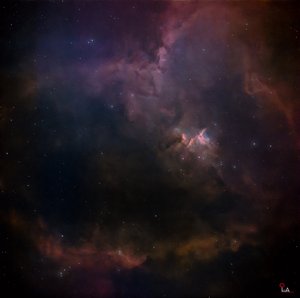
My Currently Used Telescopes
To be completely honest, I was fortunate to have a knowledgeable friend guiding me from the beginning, which helped me avoid buying the wrong telescopes. Otherwise, knowing myself, I would have definitely made impulsive purchases without proper research.
And in a field like astrophotography—where buying and selling gear can be quite costly—I would have ended up wasting a lot of money before finally getting the right equipment for the type of imaging I wanted. Worse, I might have run into budget issues midway and given up on astrophotography before even properly understanding it.
The first telescopes I owned were smart scopes: the Dwarf Mini from Dwarflab and the Vespera Pro from Vaonis. These allowed me to get my first taste of astrophotography, and thanks to them, I was able to transition from an all-in-one system to a modular system.
During that transition, there were times when I felt so discouraged that I almost wanted to quit. But I kept going thanks to my persistence and determination. Now, I’ve reached a stage where I can comfortably use long focal length refractor scopes (though I wouldn’t say I’ve mastered them yet).
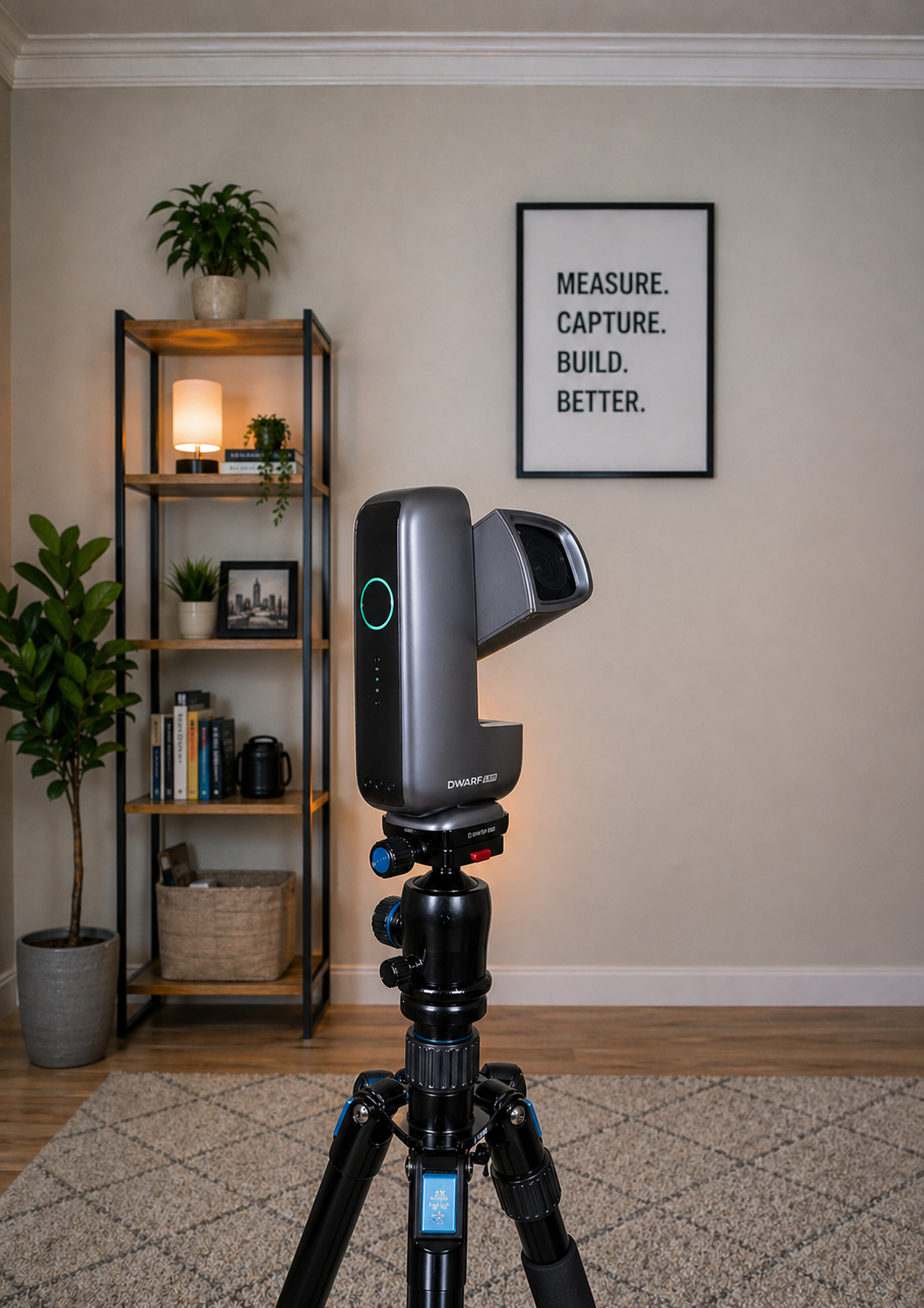
Dwarf Mini
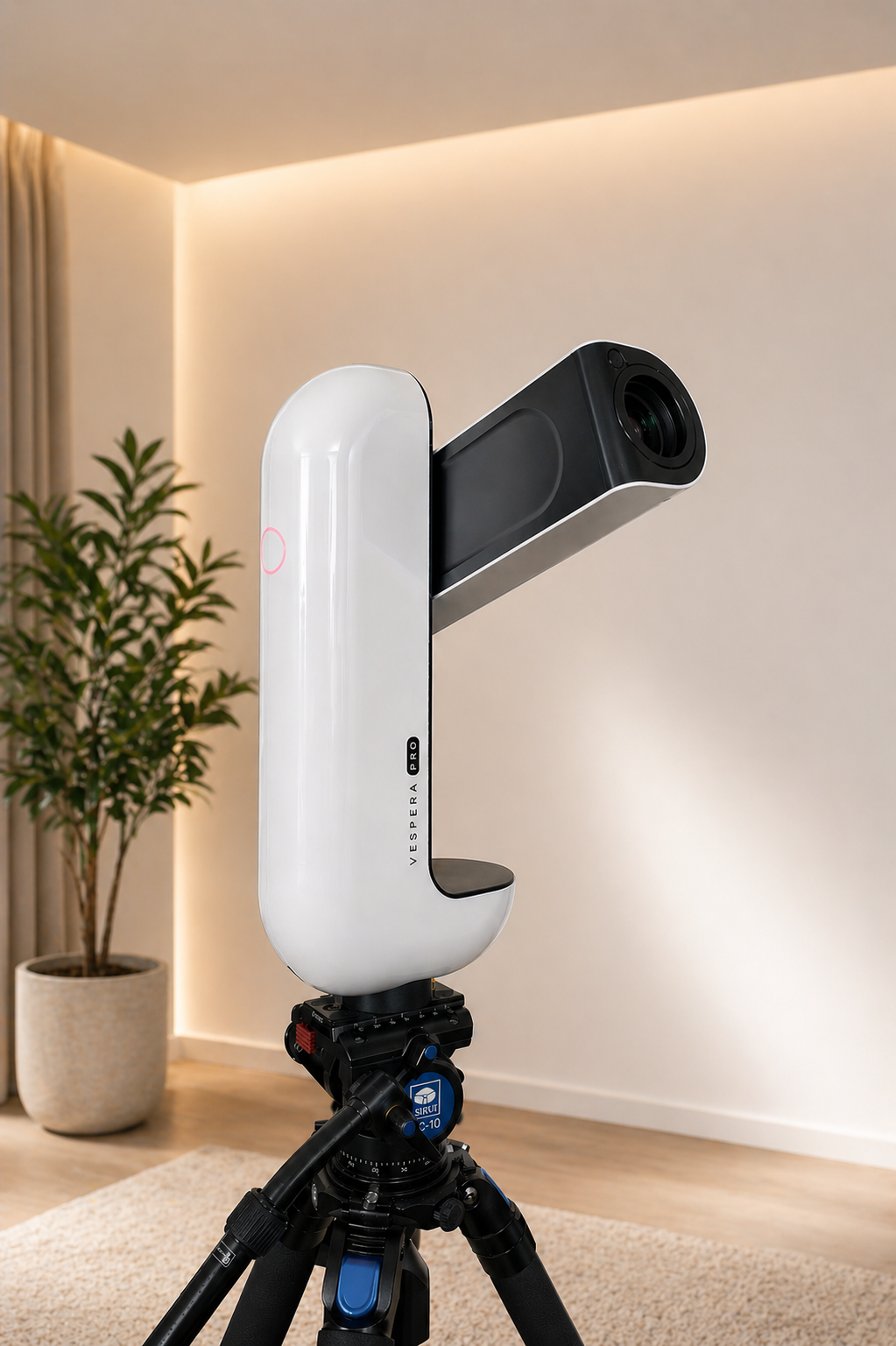
Vespera Pro
After moving beyond smart scopes, my next telescope was a refractor: the RedCat 51 from William Optics. Since it’s a William Optics product, its quality speaks for itself. My unit is the Gen-3 version, so instead of an extended outward helical focuser, it uses an internal helical focuser (WIFD), which eliminates flex issues. The only limitation is its 250mm focal length, making it best suited for wide-field imaging. It weighs only 3.2 lbs, so even when used with the ZWO AM3N mount, a counterweight isn’t necessary. It’s also very forgiving for auto-guiding, making it beginner-friendly.
Specifications:
Focal Length: 250mm
Aperture: 51mm
Focal Ratio: f/4.9
4 Lens Elements
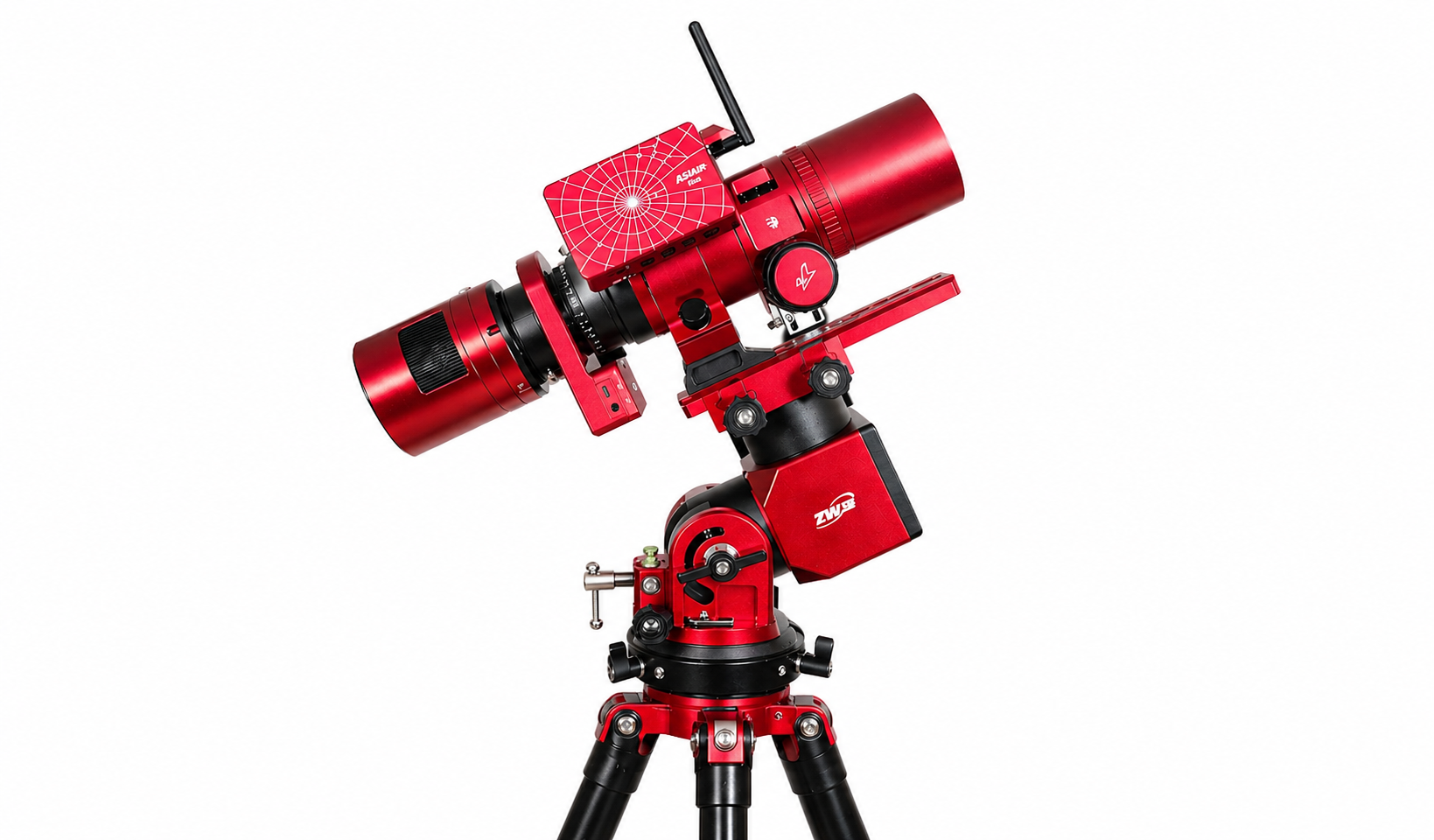
Red Cat 51
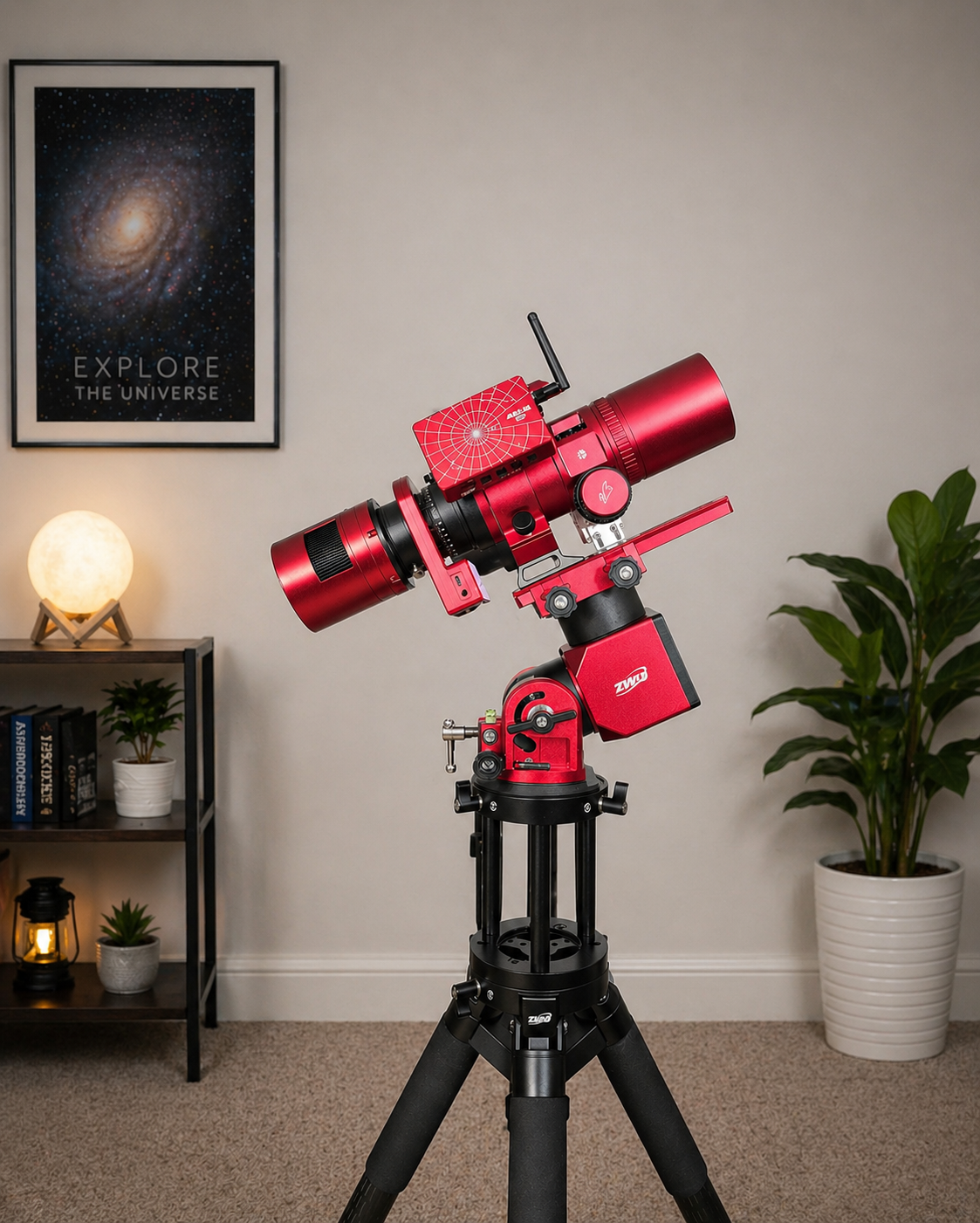
Red Cat 51
After taking more wide-field images, I started wanting tighter framing for nebula shots. When I discussed this with my friend, he told me, “Than” you’re already late. I’ve prepared three more scopes for you—but I won’t give them all at once. I’ll send you one every two months so you can properly learn each one.” That’s when I realized how lucky I am to have someone supporting my passion. My second telescope was also from William Optics, but at a higher grade—the UltraCat 76. If the RedCat 51 is considered a premium entry-level scope, I’d classify the UltraCat 76 as high-end, semi-professional premium. The build quality is outstanding—every surface feels polished and every component feels solid. With a focal length of 360mm (about 46% longer than the RedCat 51), I could clearly see more detail in nebula dust lanes. If we’re talking about just the scope itself, it weighs about 6.6 lb, but the whole setup ends up being around 12 lb. So when it comes to auto-guiding, it doesn’t feel as forgiving as the RedCat 51. While it works fine with the AM3N mount using a counterweight, I’d personally recommend upgrading to the AM5N for better load capacity and to avoid needing counterweights.
Specifications:
Focal Length: 365mm
Aperture: 76mm
Focal Ratio: f/4.8
5 Lens Elements
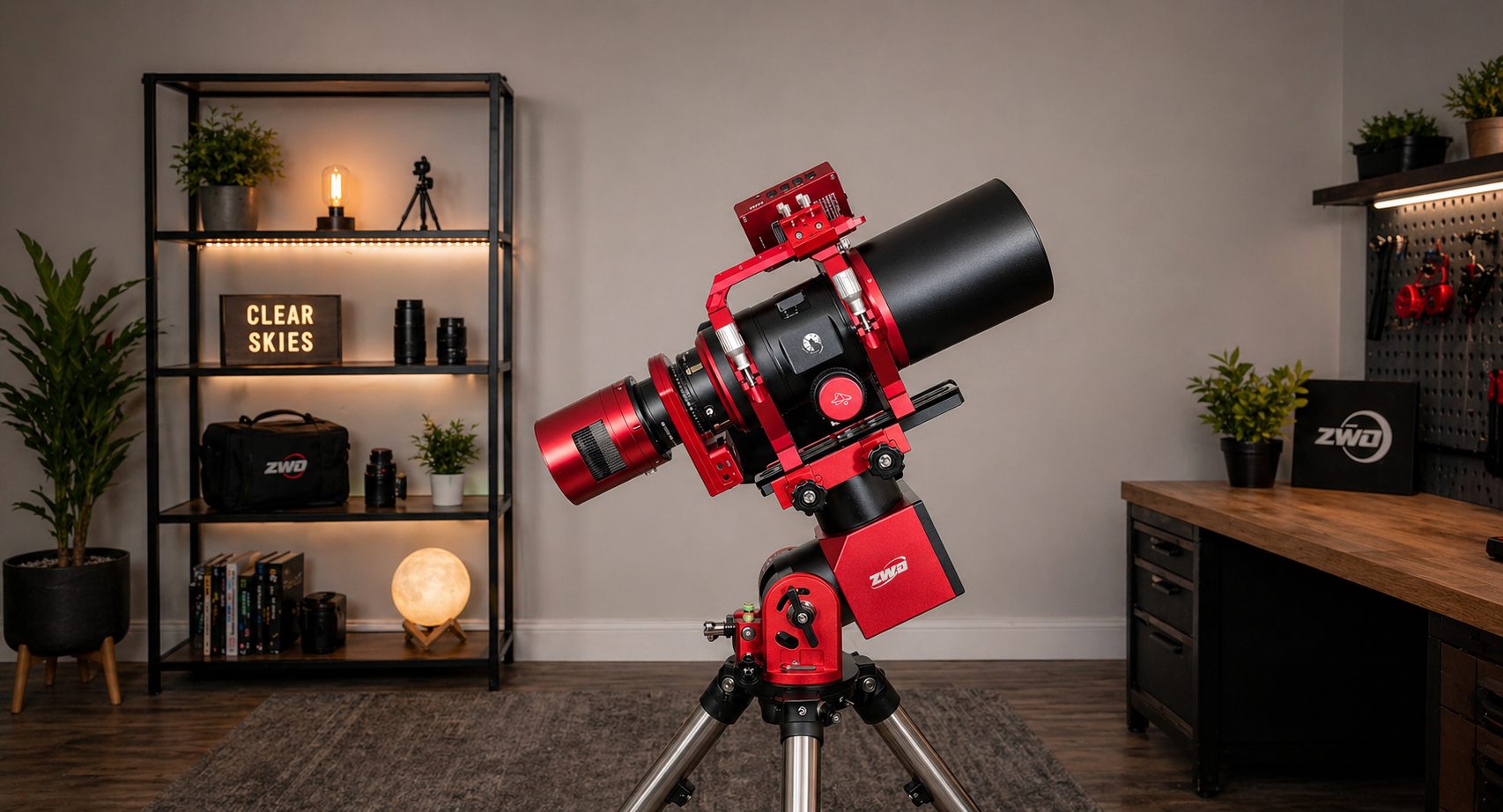
Ultra Cat 76
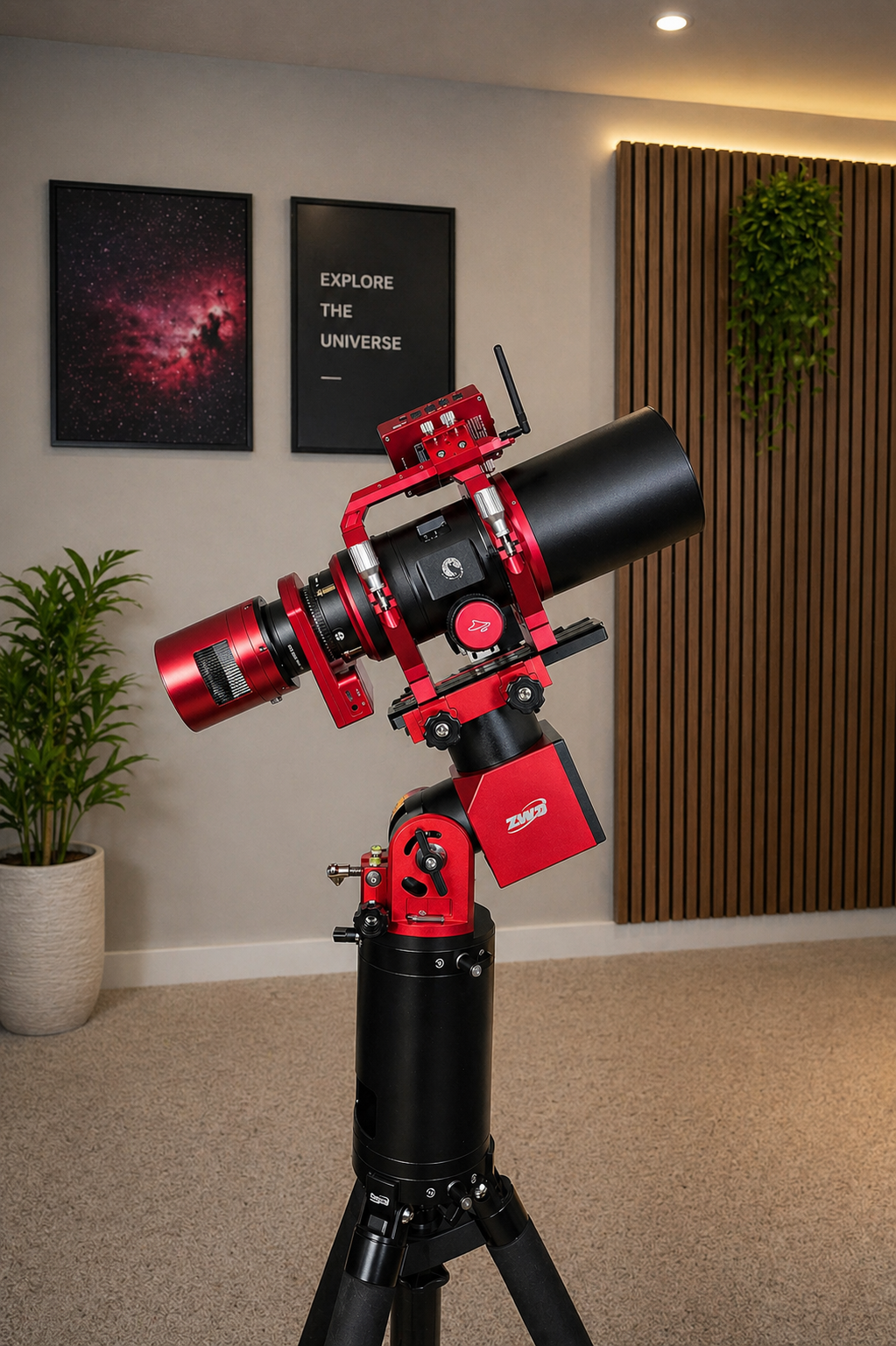
Ultra Cat 76
A month later, I received my third telescope—this time a different type: a Maksutov-Cassegrain, the Skymax 127 from Sky-Watcher. My friend wanted me to experience planetary imaging, especially to capture more detailed images of the Moon. Even though I’m more interested in nebulae, this allows me to capture occasional lunar events and even planets like Jupiter and Saturn. This scope is used with applications like FireCapture and SharpCap. I use a red dot finder for targeting and manual focusing. For imaging, I use a ZWO ASI662MC planetary camera with a Tele Vue 2x Barlow lens. This doubles the focal length from 1500mm to 3000mm, allowing for much more detailed lunar crater imaging. The build quality is decent for its price—clearly not at the level of William Optics, but still a good mid-range, practical option.
Specifications:
Focal Length: 1500mm
Aperture: 127mm
Focal Ratio: f/12
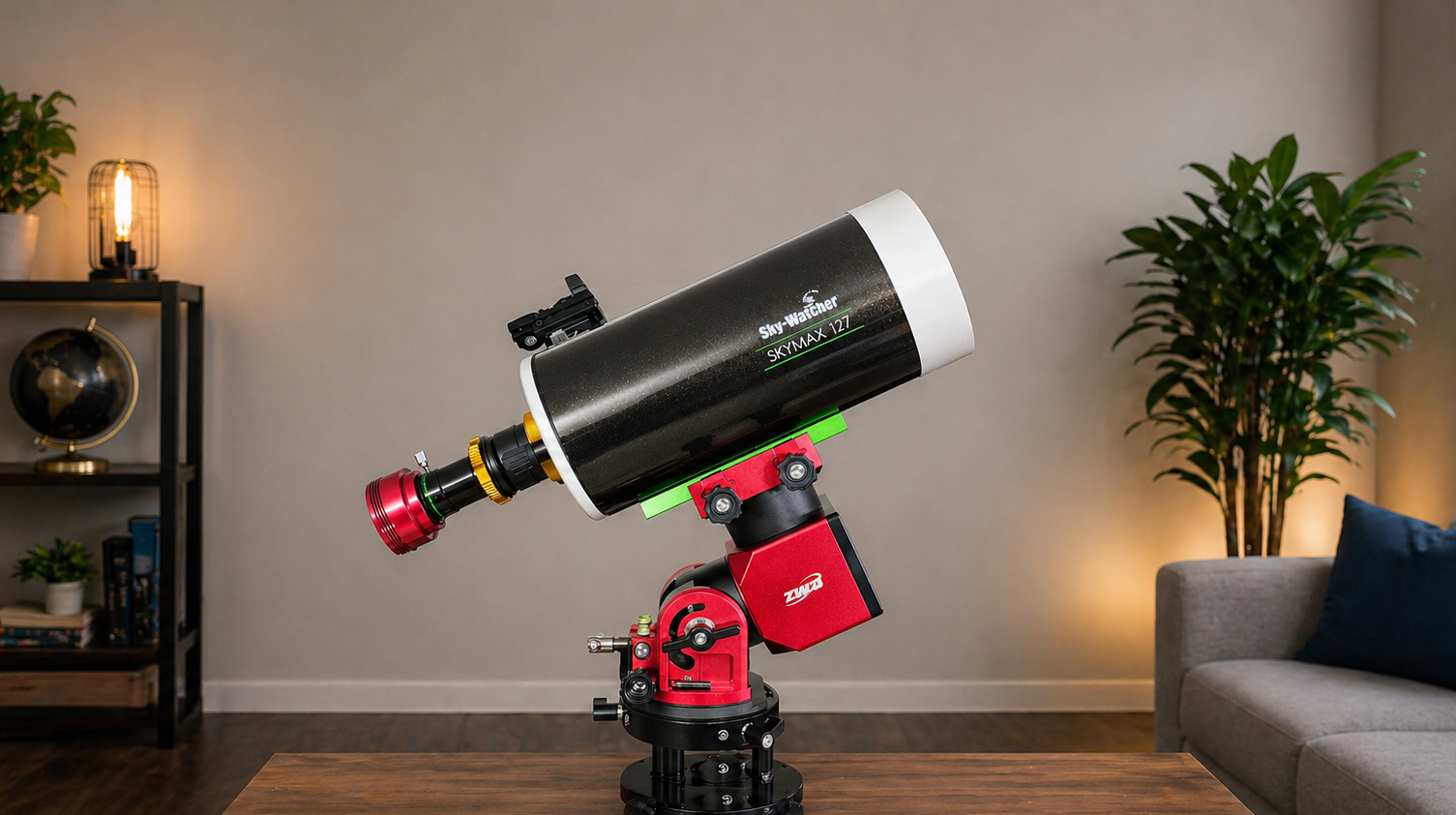
SKYMAX 127
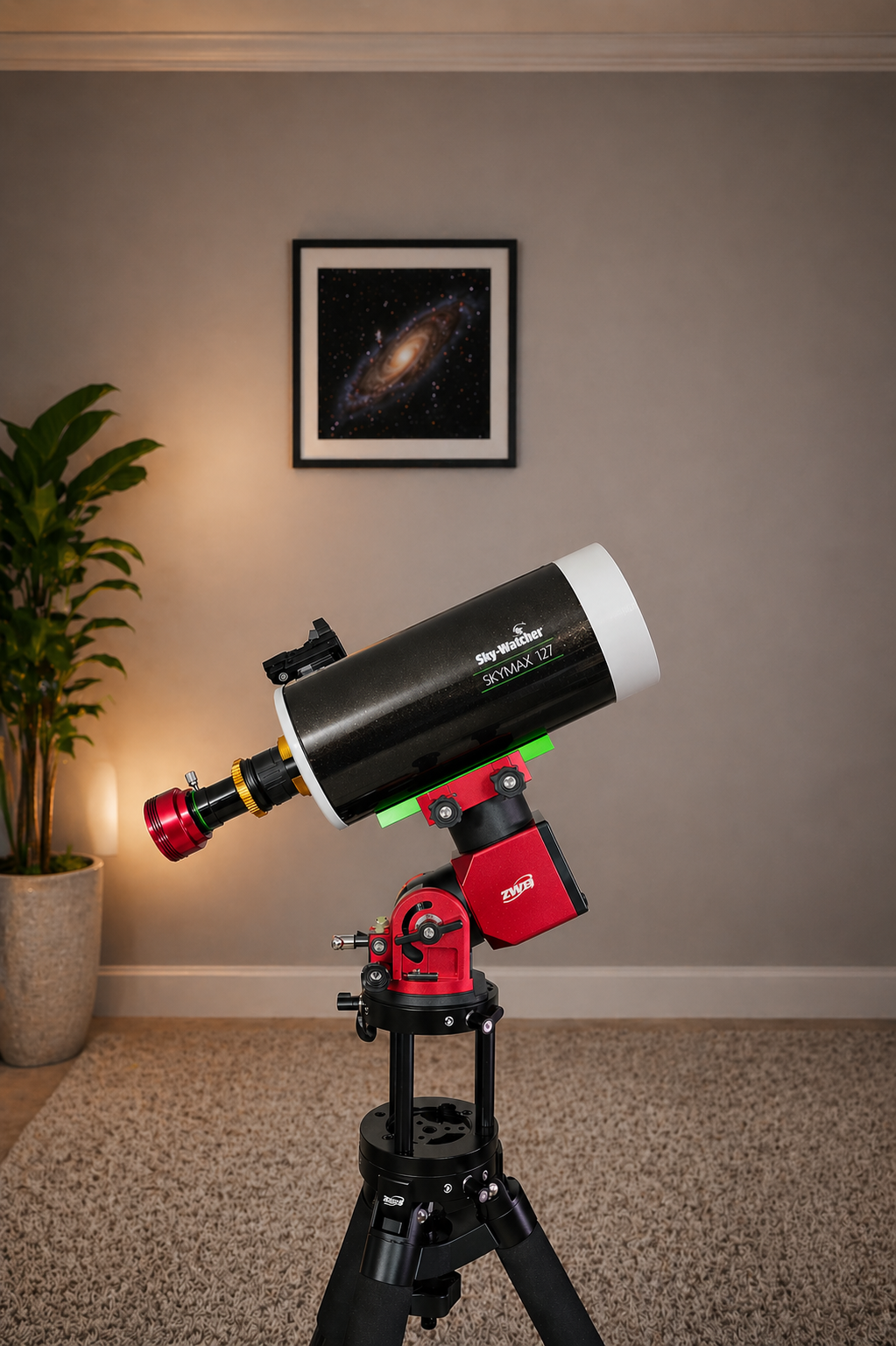
SKYMAX 127
Recently, I received my fourth telescope—the ZWO FF80 APO, which is also a refractor. My friend chose this because I had started experimenting with galaxy imaging, and he believed I needed a longer focal length scope. The only trade-off is its focal ratio (f/7.5), meaning longer exposure times are required, especially for faint nebulae. You might wonder—why not go for an even longer focal length? The answer is that with refractors, longer focal lengths usually mean heavier weight, which makes guiding and tracking more difficult. Since I’m still in the learning phase, my friend wanted to keep things within a forgiving range for auto-guiding and tracking. The build quality is solid—good premium mid-tier—but still not quite at the level of William Optics. I have one concern about the weight. Even though the scope alone is 8.6 lb, the whole setup would be around 17 lb. So if you use it with the ZWO AM5N mount, I personally think it would be more stable and convenient to use it with a small counterweight.
Specifications:
Focal Length: 600mm
Aperture: 80mm
Focal Ratio: f/7.5
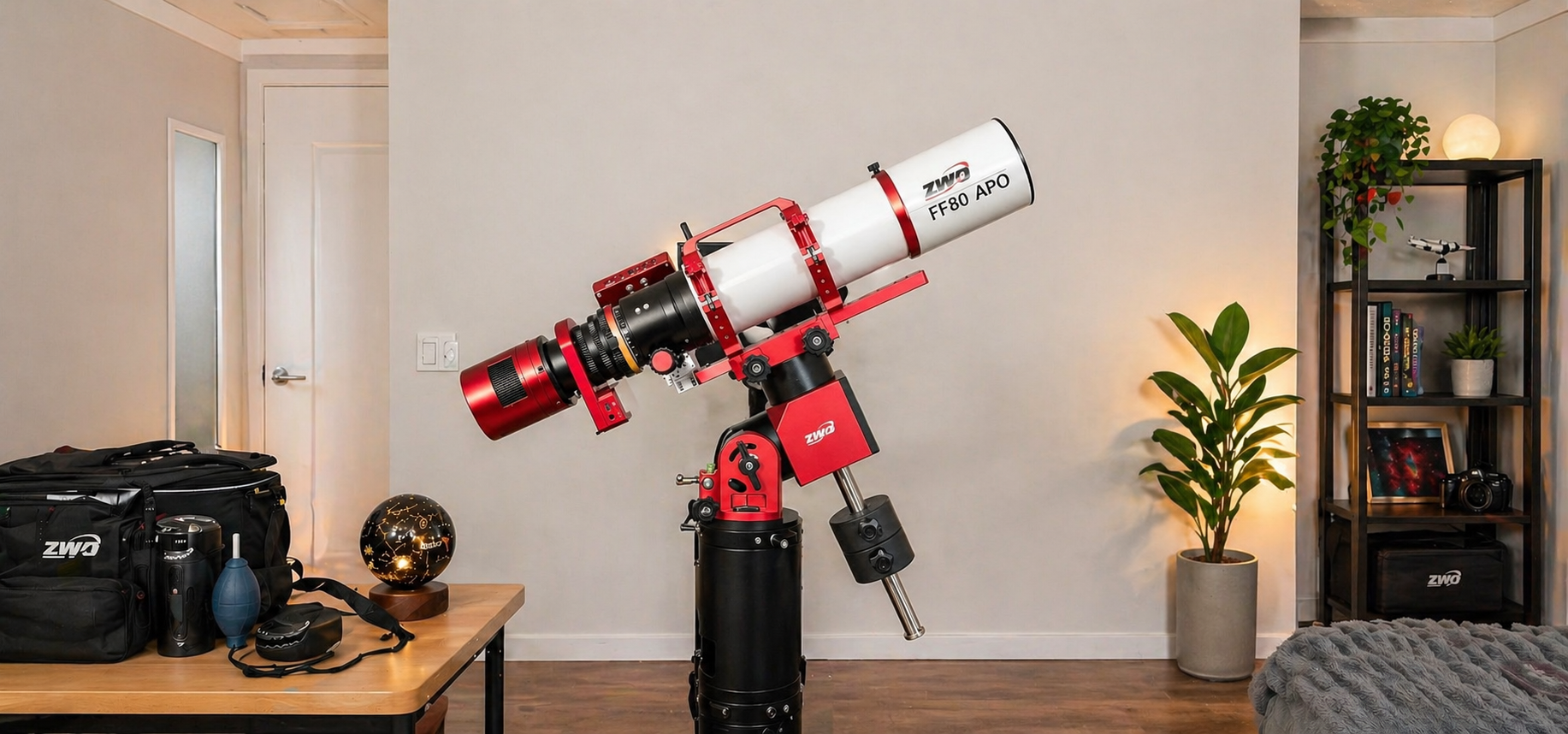
ZWO FF80 APO
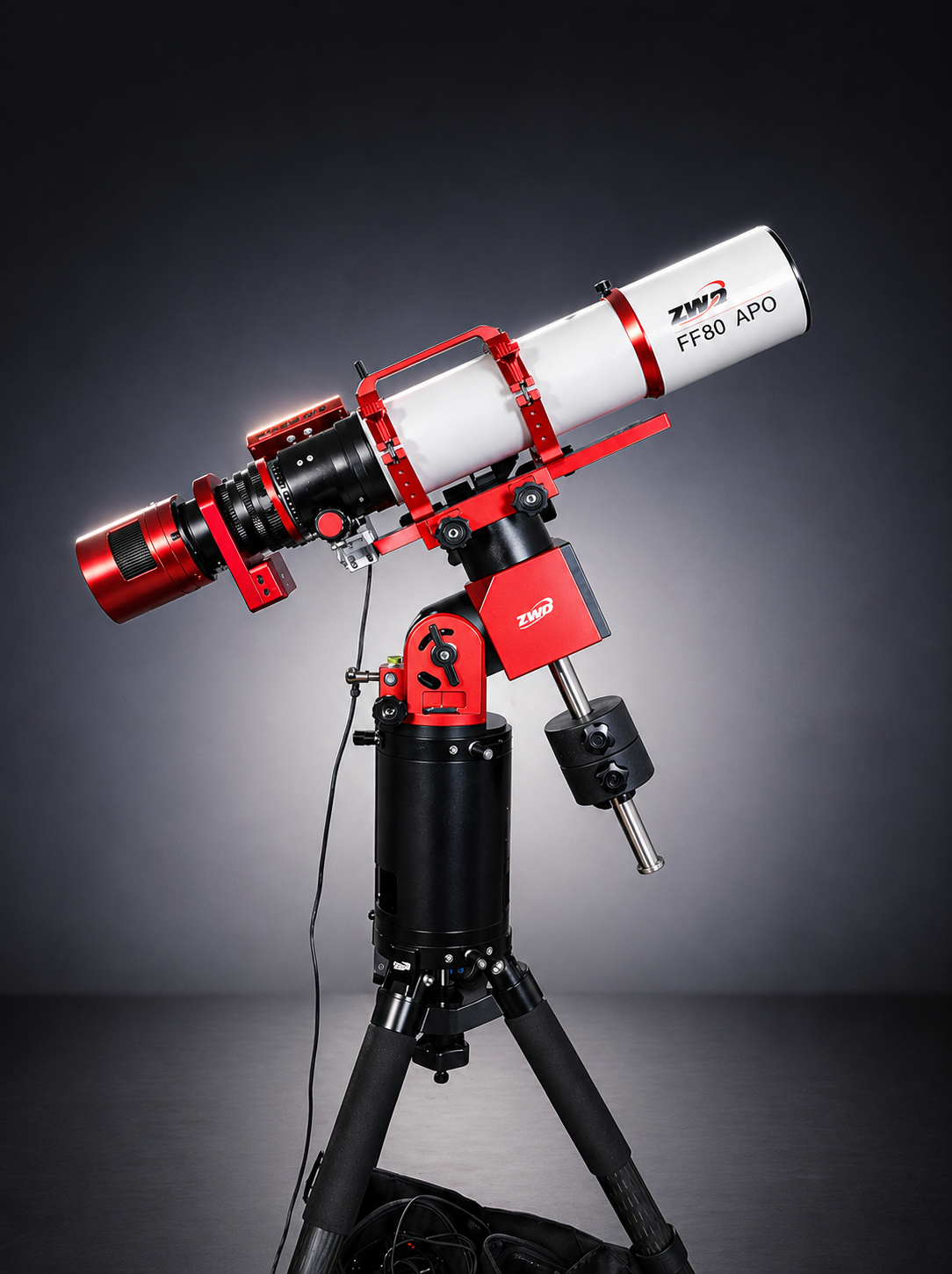
ZWO FF80 APO
I mainly plan to use the ZWO FF80 APO for galaxy imaging, and occasionally for distant nebulae when needed.
For my workflow, I intend to use the William Optics UltraCat 76 for backyard shooting, while the William Optics RedCat 51 will be dedicated to travel astrophotography.
Clear skies and happy observing…..
အမှန်အတိုင်းဝန်ခံရရင် အစကတည်းကကူညီပေးတယ့်အသိမိတ်ဆွေရှိနေလို့သာ Telescopes အမှားတွေလက်ထဲမရောက်ရှိလာခဲ့တာပါ။ မဟုတ်ရင် ကျွန်တော့်စိတ်နဲ့သာဆို ဘာမှသေသေချာချာမလေ့လာပဲနဲ့လျှောက်ဝယ်ဖြစ်မှာအသေချာပါပဲ။ အဲဒီတော့ဘာဖြစ်မလဲ အရောင်းအဝယ်အလျော်အစားကြီးတယ့် astrophotography နယ်ပယ်မှာကျွန်တော်ပိုက်ဆံတွေသောက်သောက်လဲကုန်ပြီးမှ လက်ထဲကိုကိုယ်ရိုက်ချင်တယ့် catagory နဲ့သင့်လျော်တယ့် gears တွေရောက်လာမှာဖြစ်ပြီး အခန့်မသင့်ရင်လမ်းခုလတ်မှာတင် budget ပြဿနာတက်ပြီး စောစောစီးစီးဘာမှမလေ့လာမသိရှိလိုက်ခင်မှာပဲ astrophotography လောကကိုကျောခိုင်းရဖို့ကသေချာသလောက်ပါပဲခင်ဗျ။ ကျွန်တော့်လက်ထဲပထမဦးဆုံးရောက်ရှိလာတယ့် telescope တွေကတော့ smartscope တွေဖြစ်တယ့် Dwarflab ကထုတ်တယ့် Dwarf Mini နဲ့ Vaonis ကထုတ်တယ့် Vespera Pro တို့ပါပဲခင်ဗျ။ သူတို့ကြောင့်ပဲ astrophotography ကိုမြည်းစမ်းခွင့်ရရှိခဲ့ပြီး all in one system ကနေနောက်တဆင့်ဖြစ်တယ့် modular system ကိုတက်လှမ်းလို့အဆင်ပြေခဲ့တယ်လို့ဆိုရမှာပါ။ သူတို့နှစ်ခုကိုပေါင်းကူးတယ့်နေရာမှာ နောက်ပြန်လှည့်ချင်လောက်အောင်ကိုစိတ်ဓာတ်ကျခဲ့ရတယ့်အချိန်တွေရှိခဲ့ပြီး ဘာဖြစ်ဖြစ်ချမယ်ကွာဆိုတယ့် ကိုယ့်ရဲ့ပေကပ်ကပ်နိုင်တယ့်စိတ်လေးကြောင့်သာ ရှေ့ဆက်ဖြစ်ခဲ့တာဖြစ်ပြီး အခုလက်ရှိအခြေအနေဖြစ်တယ့် long focal length refractor scope တွေကိုအဆင်ပြေပြေကိုင်တွယ်အသုံးပြုနိုင်တယ့် (တစ်ရာရာခိုင်နှုန်းကျွမ်းကျင်စွာကိုင်တွယ်နိုင်တယ့် အဆင့်ကိုတော့မရောက်သေးပါဘူး) အခြေအနေအထိရောက်ခဲ့တယ်ဆိုပါတော့။
Smart scope ကနေနောင်တစ်ဆင့်တက်ပြီးအသုံးပြုဖြစ်တယ့် scope ကတော့ Refractor Scope အမျိုးအစားဖြစ်တယ့် William Optics ရဲ့ Red Cat Series ဖြစ်တယ့် Red Cat 51 ပါပဲခင်ဗျ။ William Optics ကထုတ်တာမို့လို့ quality ကတော့အထူးပြောစရာမလိုဘူးလို့ထင်ပါတယ်။ နောက်ပြီး ကျွန်တော့် scope က Gen-3 မို့လို့ အရင်စီးရီးတွေလိုမျိုး helical focuser ကိုအပြင်ကို extend လုပ်တာမျိုးမဟုတ်တော့ပဲ internal focuser (WIFD) နဲ့လာတာမို့လို့ flex ဖြစ်တယ့်ပြဿနာမရှိတော့ဘူးလို့ ပြောလို့ရပါတယ်။ တစ်ခုပဲရှိတယ် focal length က 250mm ပဲရှိတာမို့လို့ wide view အနေနဲ့ပဲရိုက်လို့ရမှာပါ။ အလေးချိန်ကလည်း 3.2 lbs ပဲရှိတာမို့လို့ ZWO AM3N mount နဲ့သုံးတာတောင် counter weight တပ်သုံးစရာမလိုသလို auto-guiding မှာလည်း very forgiving ဖြစ်တယ်လို့ပြောလို့ရပါတယ် တစ်နည်းအားဖြင့် beginner friendly scope ပေါ့ဗျာ။ သူ့ရဲ့ specification ကတော့ Focal Length: 250mm, Aperture: 51mm (diameter of objective lens), Focal Ratio: f/4.9, 4 Lens Elements တို့ပါပဲ။
Wide view image တွေရိုက်ရတာနည်းနည်းလေးများလာတော့ စိတ်က frame နည်းနည်းကျပ်တယ့် Nebula ပုံတွေထပ်လိုချင်လာတယ့်စိတ်လေးပေါ်လာလို့ အသိမိတ်ဆွေနဲ့တိုင်ပင်ကြည့်တော့ သူကဘာပြန်ပြောလည်းသိလား "Than" မင်းပြောတာတောင်နောက်ကျနေပြီတယ့် ငါမင်းအတွက်နောက်ထပ် Scope သုံးခုစီစဥ်ထားတယ် ဒါပေမယ့်အားလုံးကိုတစ်ခါတည်းပေးလိုက်မှာတော့မဟုတ်ဘူး နှစ်လကိုတစ်ခုမင်းဆီပို့ပေးမယ် ဆိုလိုတာကမင်းအတွက် Scope တစ်ခုကိုလေ့ကျင့်ချိန်နှစ်လလောက်အချိန်ပေးစေချင်လို့ပဲလို့ပြောလာတော့ ကဲမိတ်ဆွေတို့ ကျွန်တော်ဘယ်လောက်ကံကောင်းလိုက်သလဲဗျာ ကိုယ်စိတ်ပါလက်ပါလုပ်ချင်တယ့်ဝါသနာတစ်ခုကို အစစအရာရာပံ့ပိုးကူညီမယ့်သူရှိနေတာကိုပြောပါတယ်။ ဆိုတော့ကာ ဒုတိယ Scope အနေနဲ့လက်ခံရရှိတာကတော့ William Optics brand ထဲကပါပဲ ဒါပေမယ့်အဲ့ဒီတစ်ခုက grade ပိုမြင့်တယ်လို့ပြောရမယ်။ Red Cat 51 ကို premium entry grade ကိုသတ်မှတ်ရင် သူ့ကိုတော့ High-end, semi-professional premium grade လို့သတ်မှတ်လို့ရလောက်တယ်လိုယူဆမိပါတယ်ခင်ဗျ။ Scope အမျိုးအစားကတော့ William Optics ရဲ့ Ultra Cat series ဖြစ်တယ့် Ultra Cat 76 ပါပဲခင်ဗျ။ William Optics ထုတ်ကုန်တွေရဲ့ထုံးစံအတိုင်း အသားအနားကတော့လုံးဝအပြစ်ပြောစရာမရှိအောင်ကိုကောင်းလွန်းနေတာပါပဲခင်ဗျ။ မျက်နှာပြင်တွေဆို polish တင်ထားသလားထင်ရအောင်ကို smooth ဖြစ်လွန်းအားကြီးတယ့်အပြင် အစိတ်အပိုင်းတစ်ခုစီတိုင်းက solid ဖြစ်တယ်ဆိုတယ့်ခံစားမှုမျိုးကိုပေးပါတယ်။ Focal length က 360mm မို့လို့ Red Cat 51 ထက် 46% ပိုများတယ်လို့ပြောလို့ရတယ် တကယ်စမ်းရိုက်ကြည့်လိုက်တော့လည်း Nebula တွေရဲ့ dust lane တွေကိုထင်ထင်ရှားရှားပိုမြင်လာရတာကိုတွေ့ရပါတယ်။ တစ်ခုပဲ အလေးချိန်ကသူ့ချည်းပဲဆို 6.6 lb ဆိုပေမယ့် the whole setup ဆိုရင် 12 lb လောက်ဖြစ်သွားမှာဆိုတော့ auto-guiding မှာ Red Cat 51 လောက် forgiving သိပ်မဖြစ်တာကိုတွေ့ရပါတယ်။ AM3N mount နဲ့ဆို counter weight နဲ့တွဲသုံးရင် auto-guiding မှာပြဿနာမရှိဘူးဆိုပေမယ့် ဝန်ခံနိုင်အားက limit အနားကပ်နေပြီမို့လို့ ကျွန်တော်အနေနဲ့ကတော့ AM3N အစားသူ့ထက် load capacity ပိုများတယ့် AM5N နဲ့တွဲသုံးဖို့အကြံပေးချင်ပါတယ်။ AM5N နဲ့ဆို counter weight လည်းတွဲသုံးစရာမလိုတော့ဘူးလေ။ သူ့ရဲ့ specification တွေကတော့ Focal Length: 365mm, Aperture: 76mm (diameter of objective lens), Focal Ratio: f/4.8, 5 Lens Elements တို့ပါပဲခင်ဗျ။
နောက်ထပ်တစ်လအကြာ ကျွန်တော့်လက်ထဲကိုရောက်လာတယ့် တတိယမြောက် scope ကတော့ အရင်သုံးနေကြ Refractor အမျိုးအစားမဟုတ်ပဲ focal length range ပိုများတယ့် Maksutov-Cassegrain အမျိုးအစားပါပဲခင်ဗျ။ အသိမိတ်ဆွေရဲ့ ဒီတစ်ခေါက်ရည်ရွယ်ချက်က ကျွန်တော့်ကို Planetary image အရသာလေးလည်းမြည်းစမ်းစေချင်လို့ပါပဲ။ အဓိကကတော့ Moon ကိုပိုပြီး detail ရစေချင်တာပါ။ ကျွန်တော်က Planet တွေထက် Nebula တွေကိုပိုပြီးစိတ်ဝင်စားမှန်းသိပေမယ့် တစ်ခါတစ်လေမှဖြစ်တတ်တယ့် Lunar event တွေကို record ရစေခြင်တယ့်စေတနာတွေနဲ့ပေါ့ဗျာ။ စိတ်ကူးပေါက်လာခဲ့မယ်ဆိုရင် Jupitar တို့ Satan တို့ကိုလည်းရိုက်ချင်ရိုက်လို့ရတာပေါ့ဗျာ။ Scope အမျိုးအစားကတော့ Sky-Watcher brand ဖြစ်တယ့် Skymax 127 ပါပဲ။ Cassegrain Scope တွေထဲမှာ ဆိုဒ်သေးတယ်လို့ပြောလို့ရပါတယ်။ သူ့ကိုကြတော့ FireCapture, SharpCap စတယ့် application တွေနဲ့တွဲသုံးရတာပါ။ ကျွန်တော်ကတော့ target searching ကို Red Dot Sight နဲ့တွဲသုံးပြီး focusing ကိုလည်း manual focusing ပဲလုပ်ပါတယ်။ Image capturing ကိုတော့ ZWO ထုတ်တယ့် planetary camera ဖြစ်တယ့် ASI662MC ကို Tele Vue 2x Barlow နဲ့တွဲသုံးပါတယ်ခင်ဗျ။ 2x Barlow က original focal length 1500mm ကို 3000mm အထိထပ်တိုးပေးတာဆိုတော့ Lunar ရဲ့ crater တွေကို detail ပိုမြင်ရတာပေါ့ဗျာ။ သူ့ရဲ့ build quality ကတော့ affordable brand မို့လို့ Red Cat တို့ Ultra Cat တို့နဲ့တော့လိုက်ယှဥ်လို့မရဘူးပေါ့လေ။ သတ်မှတ်ပေးရမယ်ဆိုရင်တော့ good mid-range/practical build လို့ပြောရင်တော့ရမယ်လို့ယူဆပါတယ်။ သူ့ရဲ့ specification ကတော့ Focal Length: 1500mm, Aperture: 127mm (diameter of objective lens), Focal Ratio: f/12 တို့ပါပဲ။
အခုပိုစ့်ရေးနေတယ့်ရက်ပိုင်းမှာပဲ နောက်ထပ် scope တစ်ခုလက်ခံရရှိခဲ့ပါတယ်ခင်ဗျ။ နောက်ဆုံးတစ်ခုလို့တော့ မိတ်ဆွေကပြောတာပဲလေ ကျွန်တော်ကလည်းပြောပါတယ် အခုလက်ရှိအချိန်အထိရထားတယ့် scope တွေအားလုံးကို used to ဖြစ်အောင်အရင်သုံးပါရစေအုန်းလို့။ Skymax 127 ဆိုရင်အခုချိန်အထိရိုက်ကိုမကြည့်ရသေးဘူး focusing အတွက်စမ်းပဲစမ်းကြည့်ရသေးတာလေ။ အခုလေးခုမြောက်အနေနဲ့ရရှိခဲ့တယ့် scope အမျိုးအစားကတော့ ZWO brand ဖြစ်တယ့် ZWO FF80 APO ပါပဲခင်ဗျ။ အမျိုးအစားကတော့ Refractor ပါ။ သူ့ကိုရွေးချယ်ပြီးပေးရတယ့်ရည်ရွယ်ချက်က ဒီလပိုင်းတွေမှာ အနည်းအကျဥ်းအနေနဲ့စရိုက်ဖြစ်နေတယ့် galaxy ပုံတွေကိုမိတ်ဆွေကိုပြမိတော့ မင်းနောက်ဆုံးလိုနေတာ focal length များတယ့် scope ပဲဆိုပြီး သူပဲရွေးချယ်ပြီးပို့လိုက်တာပါ။ တစ်ခုပဲ focal ratio က f/7.5 ဆိုတော့ ရိုက်ကူးချိန်ကိုအရင်ထက်နည်းနည်းပိုပေးရမှာတစ်ခုပါပဲခင်ဗျ အထူးသဖြင့် faint Nebula တွေကိုပေါ့။ အဲ့မှာမေးစရာတစ်ခုရှိလာပါပြီ ပေးမယ့်ပေးမှတော့ဘာဖြစ်လို့ focal length ပိုများတယ့်ဟာမပေးသလဲဆိုတာကိုပါ။ အဖြေကတော့ Refractor scope တွေမှာ focal length များလာလေ အလေးချိန်ပိုများလာလေမို့လို့ guiding နဲ့ tracking မှာပိုခက်ခဲလာတတ်လို့ပါပဲ။ မိတ်ဆွေက ကျွန်တော့်အနေနဲ့အခုမှစပြီးလေ့လာလေ့ကျင့်နေတယ့်ကာလအပိုင်းအခြားအထဲမှာပဲရှိနေသေးတာမို့လို့ auto-guiding နဲ့ tracking result ကို forgiving range အတွင်းမှာပဲလောလောဆယ်ရှိနေစေချင်သေးတာလဲပါတာပေါ့လေ။ Scope ရဲ့ build quality ကတော့ good premium mid-tier လို့ပြောလို့ရပါတယ်။ တစ်ခုပဲ အလေးချိန်က scope ချည်းပဲဆို 8.6 lb ဆိုပေမယ့် the whole setup ဆို 17 lb လောက်ရှိသွားမှာမို့လို့ AM5N mount နဲ့တွဲသုံးမယ်ဆိုရင်တောင် counter weight လေးတပ်သုံးရင်ပိုအဆင်ပြေမယ်လို့ ကျွန်တော်ကတော့ယူဆမိပါတယ်ခင်ဗျ။ အခုလက်ရှိကျွန်တော်လက်ခံရရှိပြီးတယ့် scope တွေအားလုံးထဲမှာ William Optics scope ရဲ့ build quality ကိုမှီတယ့် scope မရှိသေးပါဘူး။ FF80 ရဲ့ specification တွေကတော့ Focal Length: 600mm, Aperture: 80mm (diameter of objective lens), Focal Ratio: f/7.5 တို့ပါပဲခင်ဗျ။
ကျွန်တော်ကတော့ ZWO FF80 APO ကိုအဓိကအားဖြင့် Galaxy တွေကိုရိုက်ကူးရာမှာအသုံးပြုဖို့ရည်ရွယ်ထားပြီး (တစ်ခါတစ်လေ အလှမ်းဝေးတယ့် Nebula ရိုက်တယ့်အခါလည်းသုံးသင့်ရင်သုံးဖို့ရည်ရွယ်ထားပါတယ်) Ultra Cat 76 ကိုတော့ backyard shooting နဲ့ Red Cat 51 ကိုတော့ travel shooting အတွက်သုံးဖို့ရည်ရွယ်ထားပါတယ်ခင်ဗျ.....
မိုးသားကင်းစင်ကြည်လင်သောညများ ဖြစ်ပါစေ — အမြင်ကောင်းများနှင့် အောင်မြင်သော observation များရရှိပါစေ.....