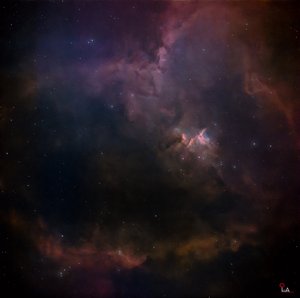
Our "Bhanu Raja" (The Sun)
The Sun emits light across almost the entire electromagnetic spectrum, which means it contains all colors. Because Earth's atmosphere scatters blue light more efficiently (a phenomenon known as Rayleigh scattering), the Sun often appears yellow or orange when viewed from the ground. However, if you observe it from space, it appears white, because all wavelengths of visible light are combined.
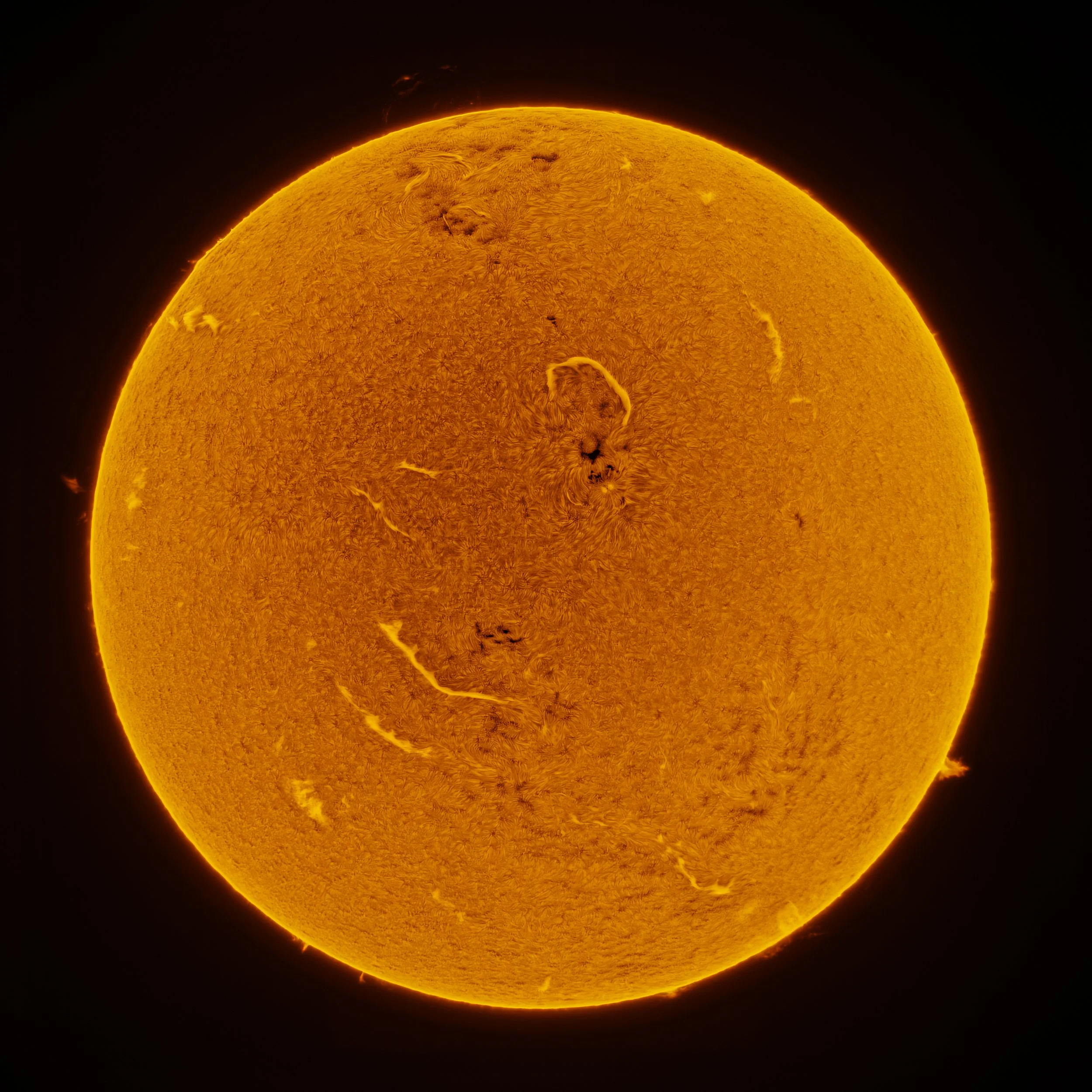
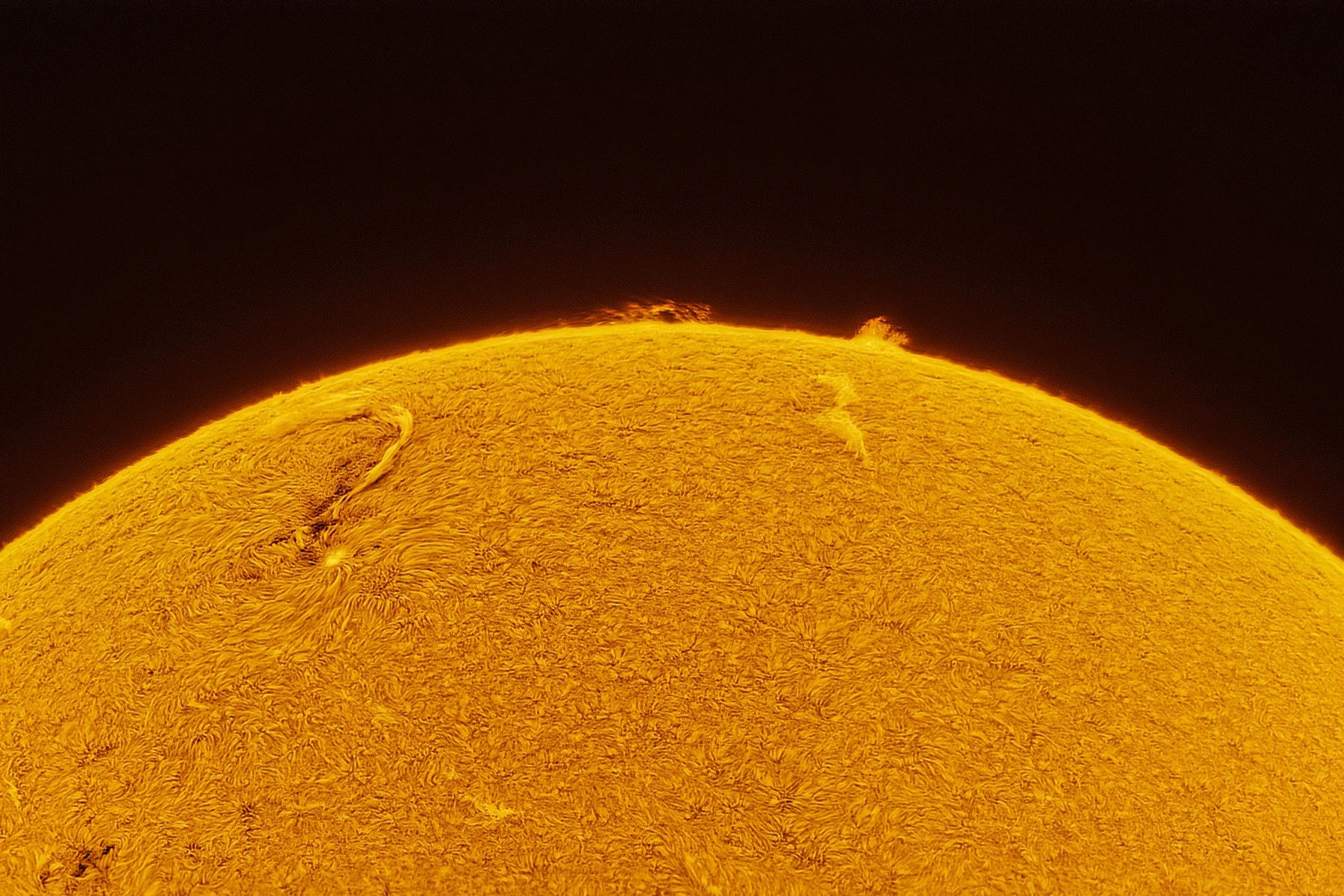
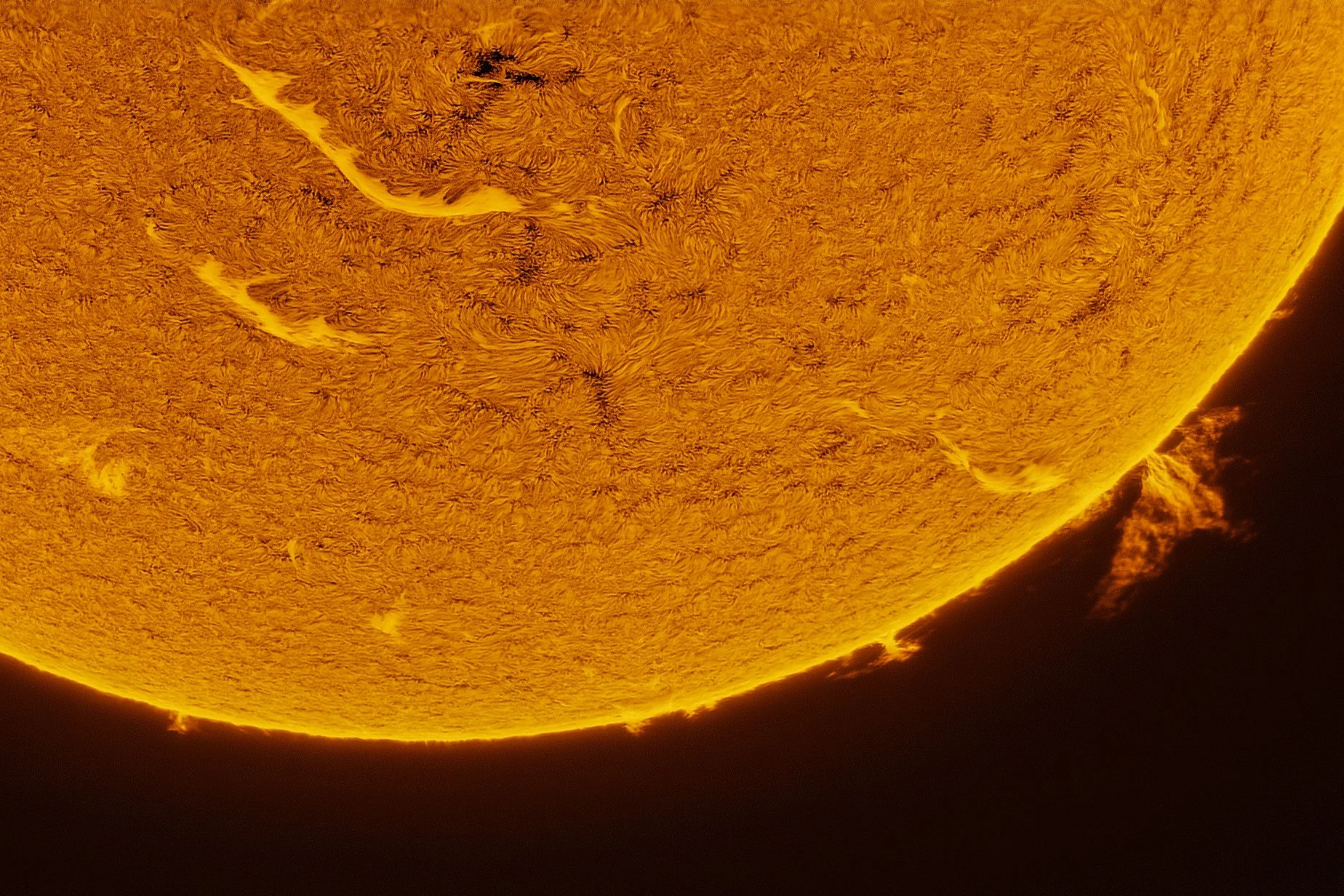
When imaging the Sun with an H-alpha solar telescope, the H-alpha filter only allows a very narrow band of deep red light to pass through. As a result, the original image is naturally monochrome red. During image processing, many astrophotographers colorize these images into yellow, orange, or golden tones. These are false colors created for aesthetic purposes—they are not the Sun's true color.
Whether an H-alpha image is presented in red or in a golden tone is simply an artistic choice. Both styles are widely accepted and commonly used within the solar imaging community.
Although I usually process each image using only a single color palette, achieving that final look is much more challenging than it may seem. The Sun is an extremely bright object, so balancing brightness, contrast, surface detail, and prominences while maintaining a natural-looking appearance that is widely accepted by the community is far from easy.
Every imaging session also brings a different challenge. Thermal turbulence constantly changes the seeing conditions, causing the exposure results to vary from moment to moment. Dealing with these changing conditions is one of the most exciting parts of solar imaging for me. At the same time, continuously checking and fine-tuning the exposure to keep the final color within the range that most people naturally recognize can sometimes be a little frustrating. In this post, I've included images from the very beginning of my solar imaging journey up to my most recent work. Looking through them one by one, you'll be able to see how my etalon tuning, exposure tuning, focusing, and overall processing techniques have gradually improved over time.
Compared with people who simply observe the Sun visually, those of us who record it through photography tend to be much more picky about image processing.
After all... we all want the best image we can create.
Clear skies and happy observing…..
နေက wavelength အားလုံးနီးပါးကို ထုတ်လွှတ်တာကြောင့် သူ့မှာအရောင်အစုံပါဝင်ပါတယ်။ ကမ္ဘာ့လေထုက အပြာရောင်အလင်းကိုပိုပြီးဖြန့်ကျက် (Rayleigh scattering) ပေးတာကြောင့် နေကိုအဝါရောင် သို့မဟုတ် လိမ္မော်ရောင်လို့ မြင်ရတတ်တာပါ။ ဒါပေမယ့် သူ့ကို အာကာသထဲကနေကြည့်ရင်တော့ အဖြူရောင်အနေနဲ့မြင်ရမှာပါ။ ဘာဖြစ်လို့လဲဆိုတော့ wavelength အားလုံးကိုပေါင်းစည်းထားတာကြောင့်ဖြစ်ပါတယ်။
Solar Telescope (H-alpha) နဲ့ရိုက်တယ့်အခါ H-alpha filter ကြောင့် နေရဲ့ပုံတွေကို ကနဦးအနေနဲ့ အနီရောင်အဖြစ်လက္ခံရရှိပါတယ်။ နောက်ပိုင်း image processing မှာ အဝါ၊ လိမ္မော်၊ ရွှေရောင် စတဲ့အရောင်တွေကို colorize လုပ်ထားတာတွေက အလှဆင်အရောင် (false color) ဖြစ်ပြီး နေရဲ့တကယ့်အရောင် မဟုတ်ပါဘူး။
နေရဲ့ H-alpha ပုံတွေကို အနီရောင်ထားမလား၊ ရွှေရောင် (golden) ပြောင်းမလားဆိုတာက အနုပညာရွေးချယ်မှုသာဖြစ်ပြီး နှစ်မျိုးစလုံးကို solar imaging အသိုင်းအဝိုင်းမှာ အသုံးများပါတယ်။
Image processing အတွက်တစ်ရောင်တည်းကိုသာ အဓိကထားသုံးတယ်ဆိုပေမယ့် အဲဒီတစ်ရောင်တည်းသောအရောင်ကို processing လုပ်ရတာတော်တော်ပင်ပန်းတယ်လို့ပြောပါရစေ။ နေဟာ အလင်းအရမ်းတောက်ပတယ့် object တစ်ခုဖြစ်တာကြောင့် အရာအားလုံးကို balance ဖြစ်အောင်နဲ့ အတတ်နိုင်ဆုံးအခုချိန်အထိလူအများလက္ခံနေတယ့်အရောင်ဖြစ်အောင် processing လုပ်ရတာ တကယ်တော့လွယ်မယောင်နဲ့ခက်ပါတယ်။
ရိုက်ကူးတယ့်အခါတိုင်း အဓိကကြုံတွေ့ရတယ့် thermal turbulence တွေကြောင့်အမြဲတမ်းပြောင်းလွဲနေတတ်တယ့် exposure result တွေကို deal ရတာဟာကျွန်တော့်အတွက်တော့ challenge တစ်ခုမို့လို့စိတ်လှုပ်ရှားရပေမယ့် လူတိုင်းလက္ခံနေတယ့် color bountry အထဲကနေအပြင်ကိုကျွံထွက်မသွားအောင် exposure ကိုအချိန်တိုင်းလိုက်ပြီး check and balace လုပ်နေရတာတစ်ခုကတော့ တစ်ခါတစ်လေစိတ်ညစ်စရာအနည်းငယ်တော့ကောင်းပါတယ်ခင်ဗျ။ဒီပိုစ့်မှာတော့ ရိုက်ကူးတယ့်အချိန်ကနေပြီးစပြီး အခုချိန်အထိအဆင့်ဆင့်လေ့ကျင့်လာခဲ့ရတယ့် ပုံတွေကိုတွဲပြီးတင်ထားပေးပါတယ်။ ပုံတစ်ပုံချင်းဆီကိုလိုက်ပြီးကြည့်ရင် Etalon tuning, exposure tuning, focusing စတာတွေကိုဘယ်လို improve ဖြစ်အောင်လုပ်လာရတယ်ဆိုတာကို တွေ့ရမှာပါ။
နေကို သာမန် observe လုပ်တယ့်သူတွေထက် ကျွန်တော်တို့လိုမျိုး photography အတွက် image record လုပ်တယ့်သူတွေက image processing အပိုင်းမှာပိုပြီး picky ဖြစ်ကြတယ်လေ။ ပုံကောင်းကောင်းလိုချင်တာကိုးဗျ.....
မိုးသားကင်းစင်ကြည်လင်သောညများ ဖြစ်ပါစေ — အမြင်ကောင်းများနှင့် အောင်မြင်သော observation များရရှိပါစေ.....