Understanding the Solar Telescope and Etalon: The Heart of an H-alpha Solar Telescope
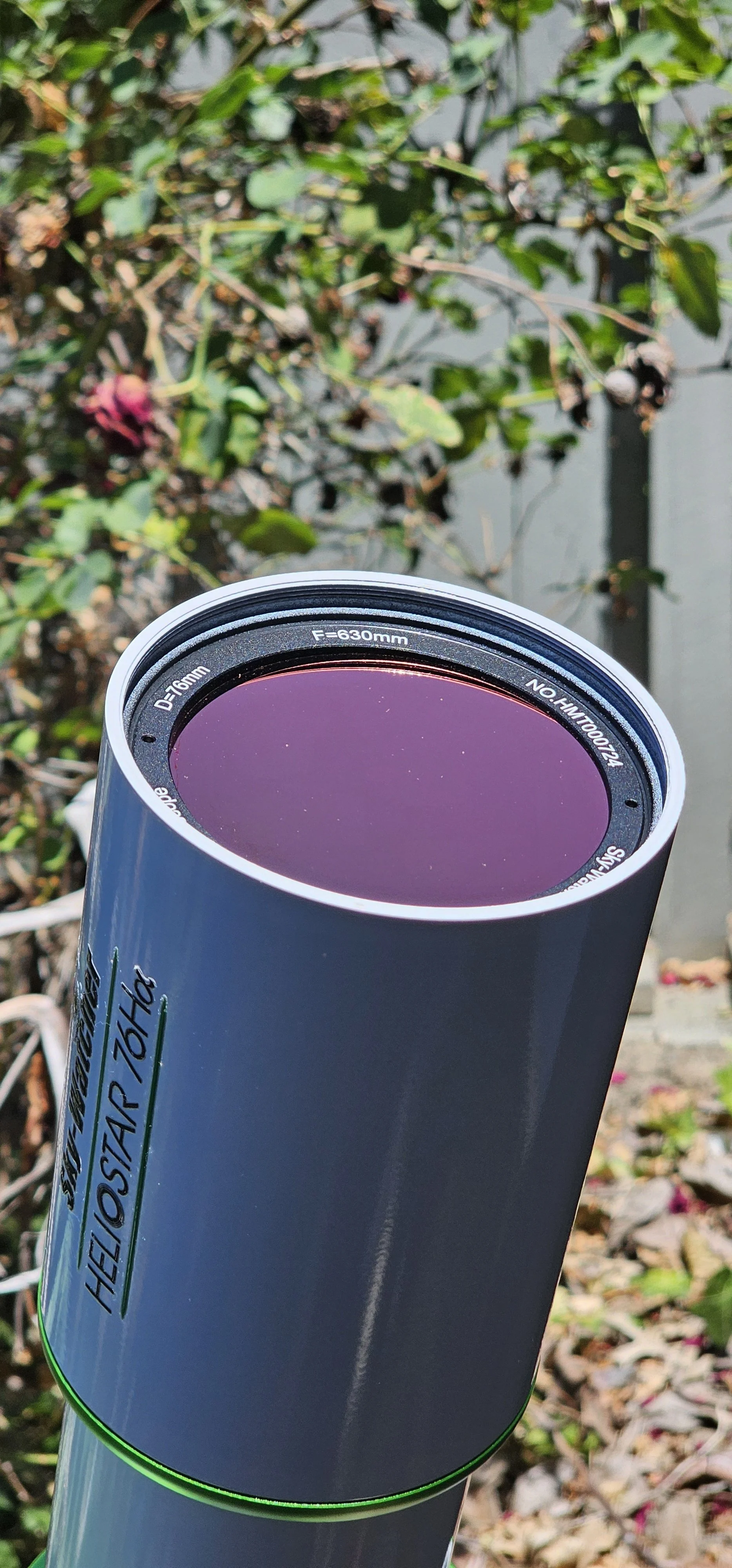
Every solar telescope has a special optical filter called an Etalon mounted at the very front of the optical system. An Etalon consists of two extremely flat, highly reflective glass plates separated by a very precise distance. Its purpose is to transmit only a very narrow wavelength band while blocking almost all other wavelengths. In an H-alpha solar telescope, the Etalon is one of the most important components.
The Etalon works in a fascinating way. Sunlight enters the Etalon and repeatedly reflects back and forth between the two glass plates. As the light waves interfere with one another, only a very narrow wavelength band centered on the H-alpha line (656.28 nm) is transmitted, while most of the remaining wavelengths are blocked. This allows us to observe the Sun's chromosphere, a layer that cannot normally be seen through a standard white-light solar filter.
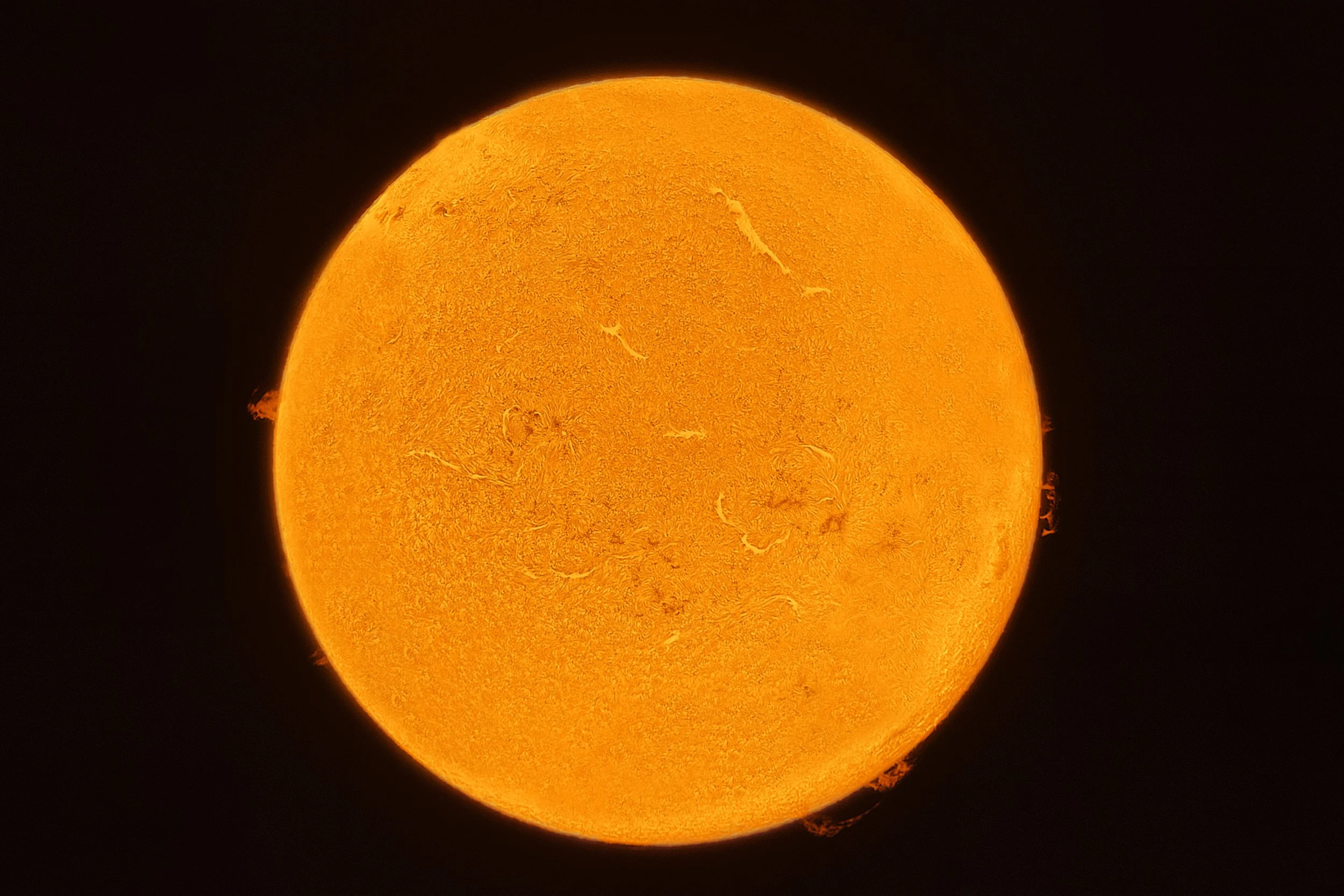
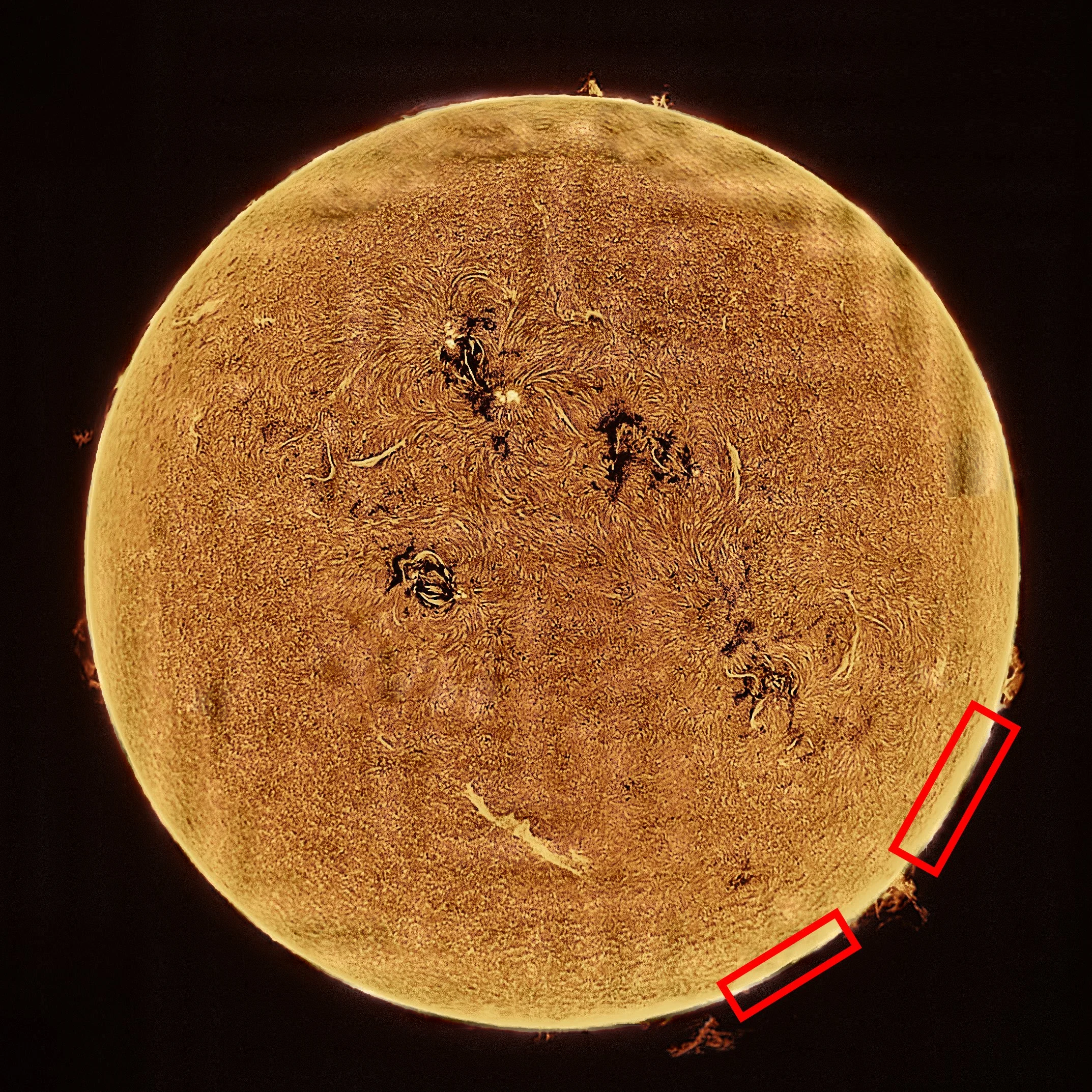
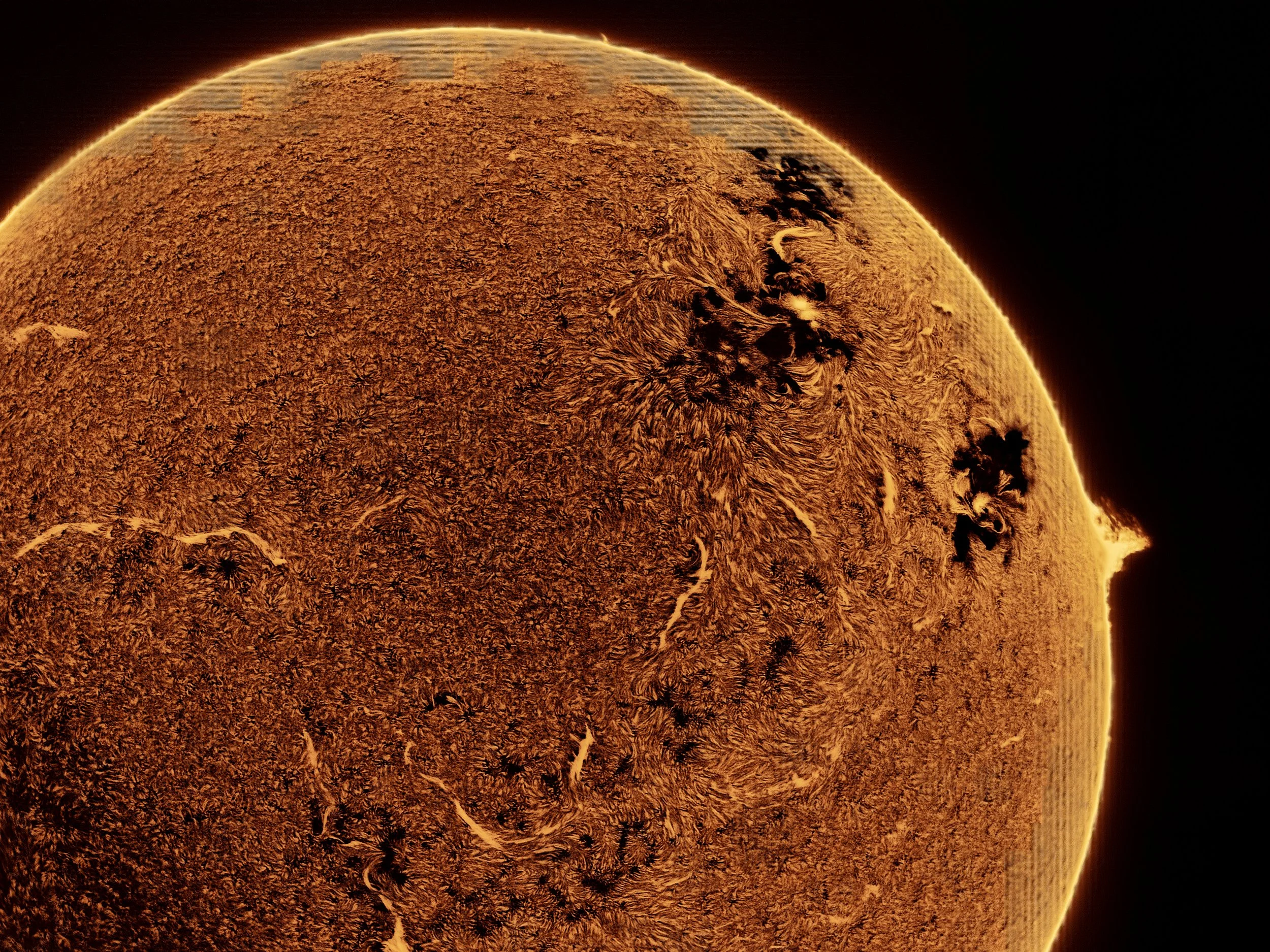
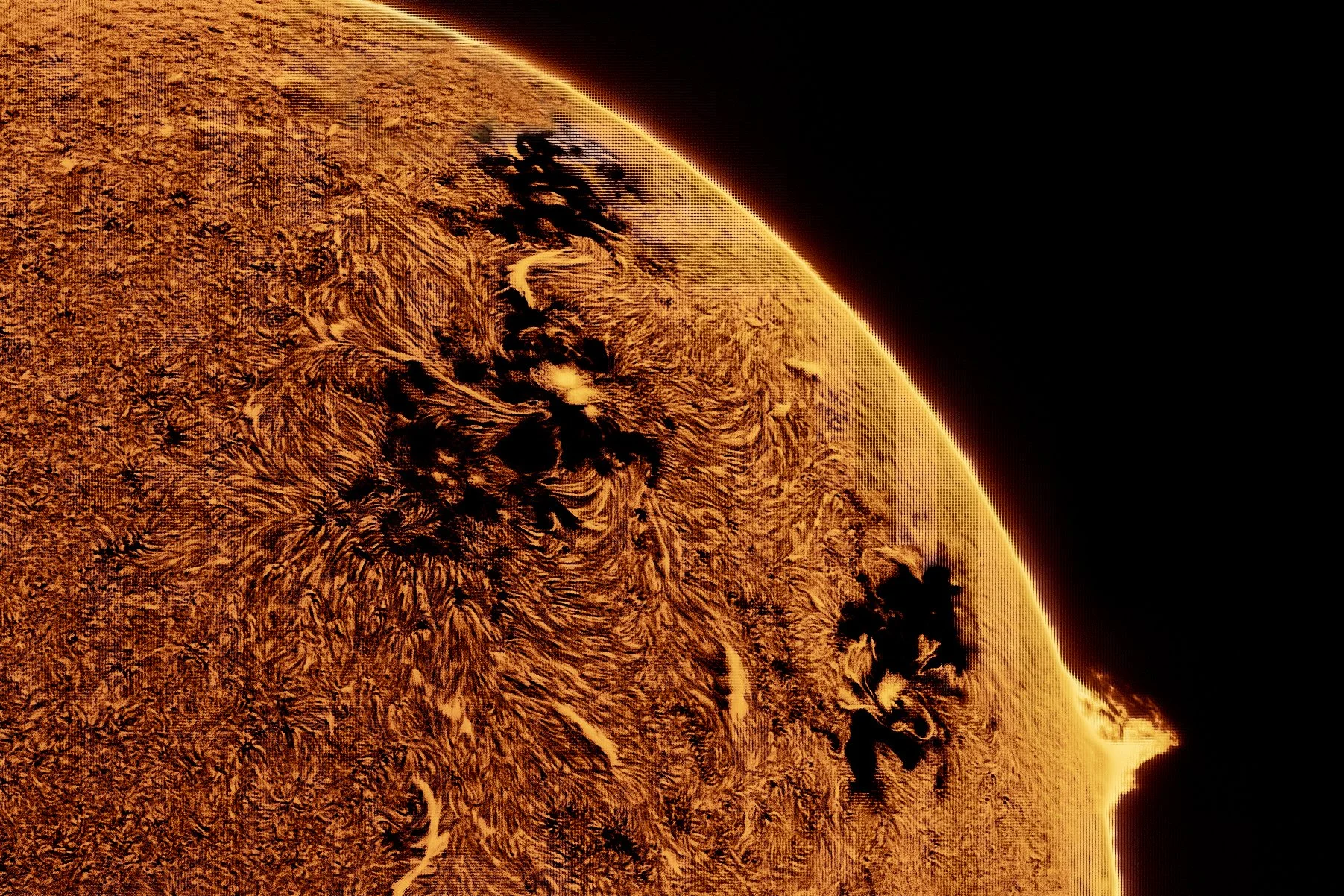
Within the chromosphere, we can observe remarkable solar features such as prominences (flame-like structures extending beyond the Sun's edge), filaments (dark thread-like structures across the solar disk), the fine texture of the chromosphere, active regions, and sunspots in far greater detail. The amount of detail that can be seen also depends on the Etalon's bandpass, which is commonly specified in Angstroms (Å). The smaller the Angstrom value, the narrower the bandpass becomes. A narrower bandpass provides higher chromospheric contrast and reveals finer surface details.
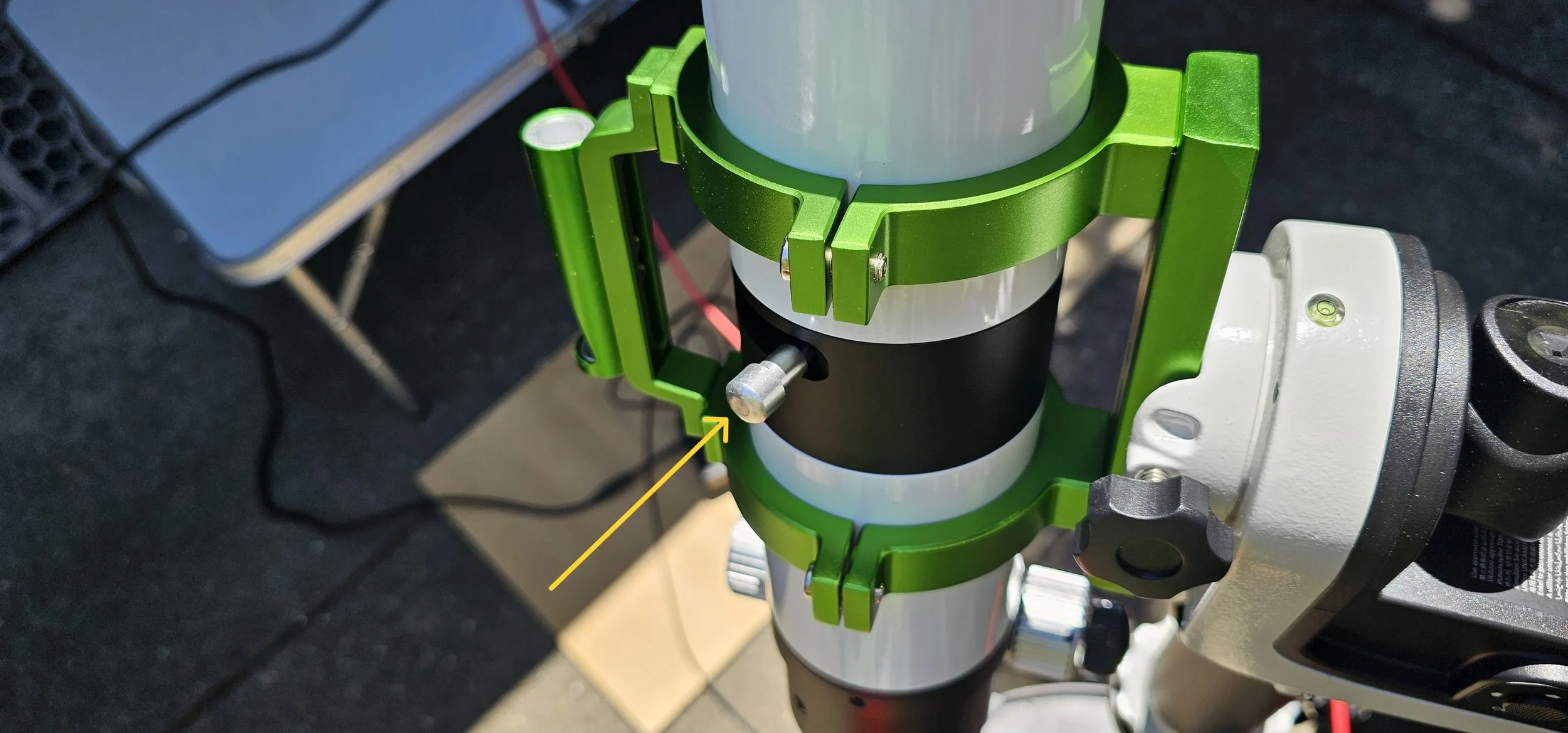
To obtain the best possible image, the Etalon must be properly tuned every time you observe or photograph the Sun. My Lunt 40THa uses a Tilt Tuner, although another tuning system called a Pressure Tuner is also available. A Tilt Tuner works by slightly tilting the Etalon each time the tuning wheel is rotated, shifting the transmission peak until it aligns precisely with the H-alpha spectral line. Once the Etalon is properly tuned, the bright photosphere, which is normally visible through a standard white-light solar filter, is effectively suppressed, allowing the much fainter chromosphere and its intricate structures to become visible. Proper tuning involves more than simply turning the tuning wheel. Camera settings such as the histogram and gain must also be adjusted so that the chromospheric texture is evenly visible across the entire solar disk. Otherwise, only part of the surface may appear sharp while the rest looks soft or lacks visible texture. This is one of the reasons astrophotography can be so challenging. Capturing the data is only half the work. Image processing is often even more difficult. Without the proper editing workflow, the final image may fail to reveal the details that were actually captured. The blocking filter is responsible for removing any unwanted wavelengths that still remain after the light has passed through the etalon. It is also the component where you attach the eyepiece or camera for observing or imaging.
When we observe the Sun through a regular telescope fitted with a standard white-light solar filter, the smooth surface we see is actually the photosphere, not the chromosphere. Although the chromosphere lies above the photosphere when viewed from outside the Sun, the photosphere is so incredibly bright that its light completely overwhelms the much fainter chromosphere. As a result, a standard white-light solar filter only reveals the photosphere while the chromosphere remains hidden by its intense brightness.
When I first started using my Lunt solar telescope, I found Etalon tuning surprisingly difficult. Unlike deep-sky astrophotography, where we capture long-exposure still images of nebulae and star clusters, solar and lunar imaging rely on high-speed video recording. Since everything is done using a live view, focusing and Etalon tuning both require extra care and attention. Another challenge comes from Earth's atmosphere. As the Sun climbs higher in the sky, the ground heats up and atmospheric turbulence increases. These rising heat waves significantly disturb the live view, making focusing and Etalon tuning much more difficult—especially when using a Barlow lens (teleconverter). From my own experience, if your goal is to capture close-up images of the Sun, it is generally better to use a telescope with a larger aperture and longer focal length rather than simply adding a Barlow lens. My Lunt 40THa has a focal length of 400 mm and an aperture of 40 mm. Although I tried using a Barlow lens to obtain closer views, the image became larger without any increase in actual resolution. In simple terms, I was magnifying beyond the telescope's diffraction limit, resulting in what is known as empty magnification. The image scale increased, but no additional detail was gained, so the overall image quality did not improve. Eventually, I stopped using a Barlow lens for solar imaging altogether. If you're planning to buy a solar telescope, I would recommend prioritizing aperture first and focal length second. A larger aperture generally provides higher resolving power and allows you to capture much finer solar detail.
My primary astrophotography interest has always been deep-sky nebulae, so I originally considered solar and lunar imaging to be secondary hobbies. That's why I chose an entry-level solar telescope when I first purchased one. Ironically, the more I photographed the Sun, the more fascinated I became. Now that I enjoy capturing close-up solar images, I often find myself limited by my telescope's 40 mm aperture. To be completely honest, I originally thought solar imaging would be somewhat repetitive and even a little boring—much like lunar imaging. But I quickly realized how wrong I was. The Sun is an incredibly dynamic object. Its surface changes every single day. Prominences erupt, filaments evolve, active regions appear and disappear, and no two days ever look exactly the same. By the time I realized how much I had fallen in love with solar imaging—and how much I wished I had bought a larger-aperture solar telescope—it was already too late.
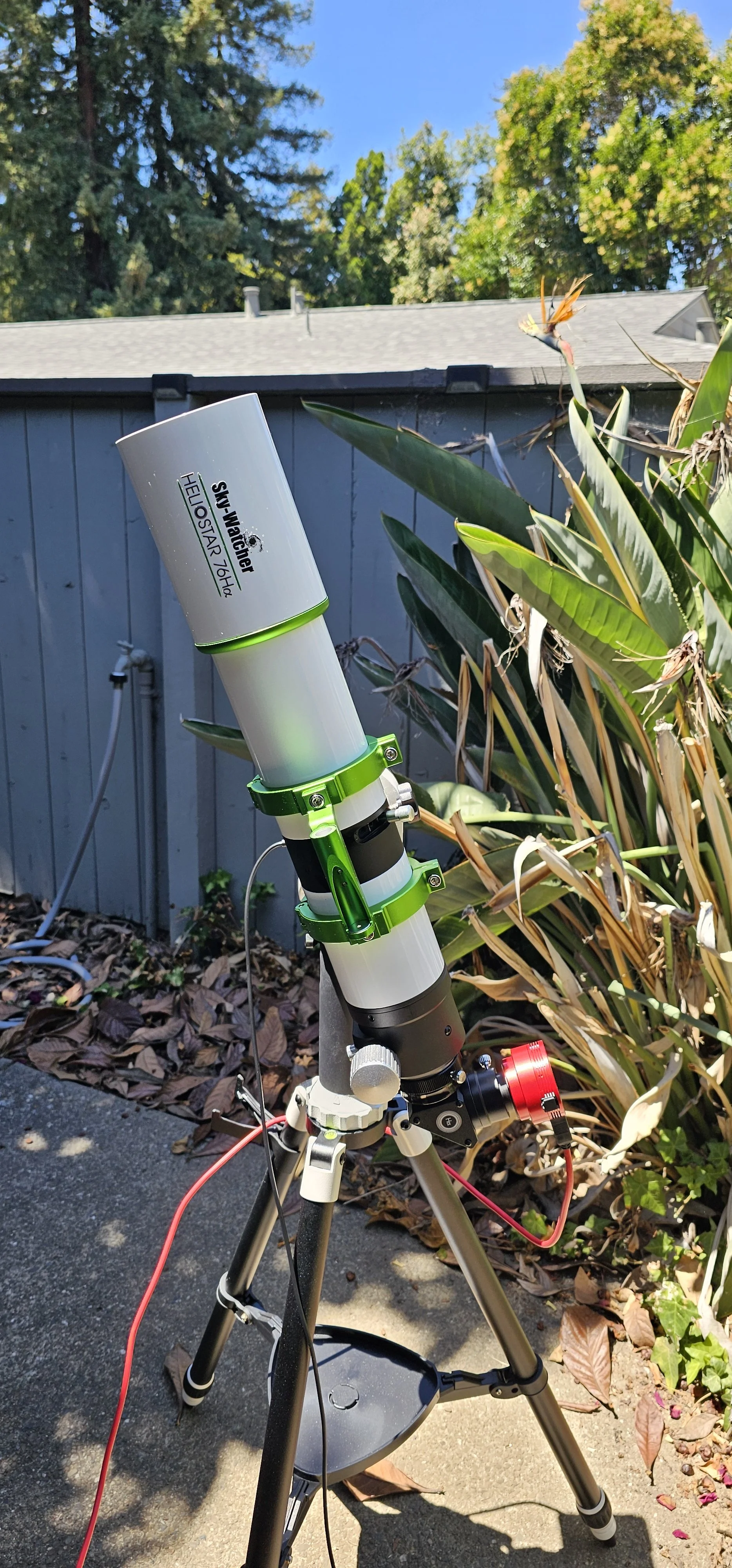
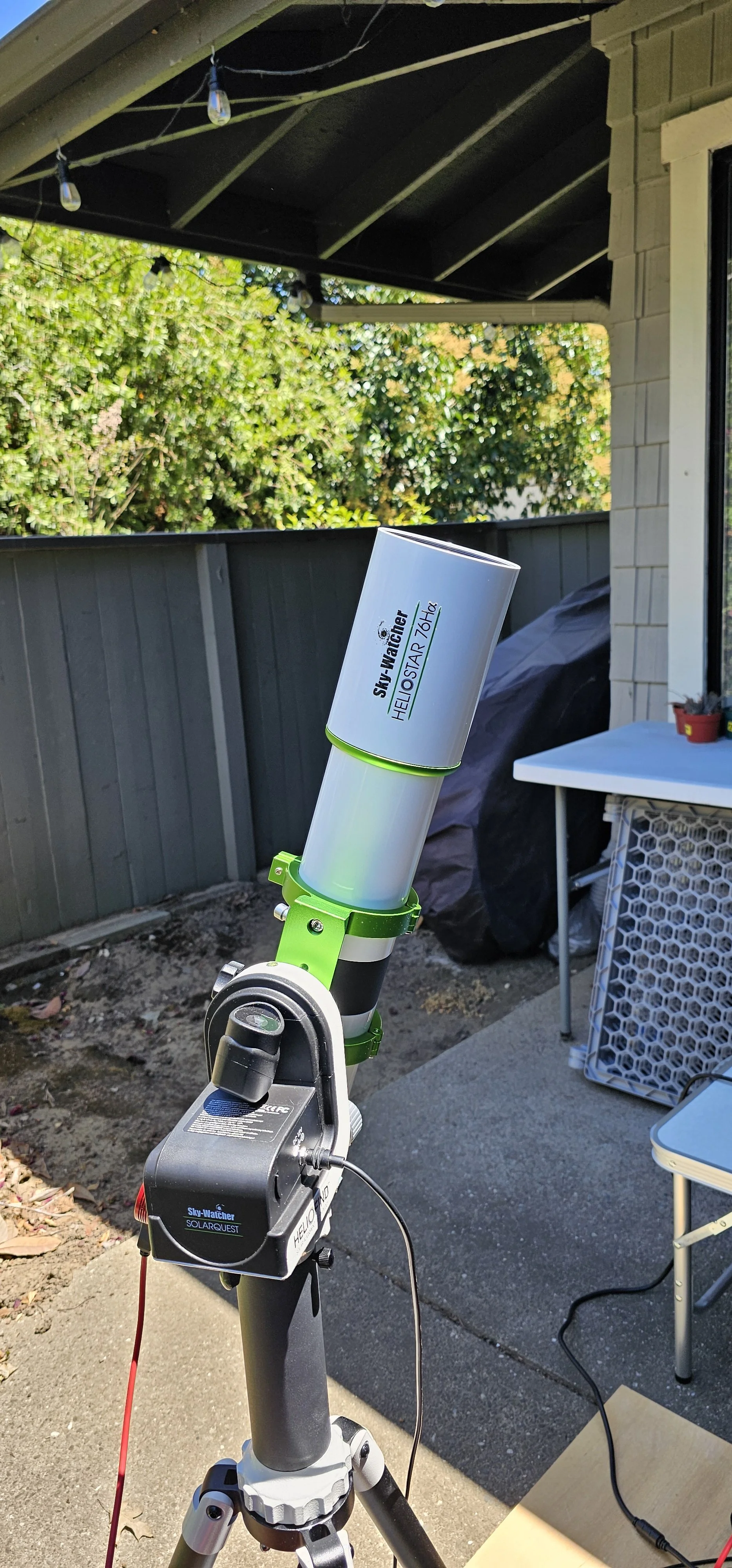
At last, thanks to the help and support of some friends, I was finally able to own a larger-aperture solar telescope—the Sky-Watcher Heliostar 76mm H-Alpha. In general, dedicated solar telescopes are significantly more expensive than regular telescopes, even when they have the same aperture. However, I think the Sky-Watcher Heliostar 76mm is priced much more reasonably compared to other dedicated solar telescopes in its class. Even so, it still costs over $3,300, while many competing brands with similar specifications start at $5,000 or more. There are other solar telescopes with apertures close to 76mm and prices that aren't drastically different, but personally, I prefer the Heliostar's build quality and overall construction. The etalon tuning mechanism is designed differently from those of other brands, so you can't really compare or operate them in exactly the same way. From my experience, I prefer the performance of the Heliostar's etalon. I find it more precise and better at achieving even coverage across the entire solar disc. At the moment, I use my Lunt 40THa primarily for full-disc solar imaging, while the Heliostar 76mm H-Alpha has become my main telescope for capturing high-resolution close-up images of the Sun.
Clear skies and happy observing…..
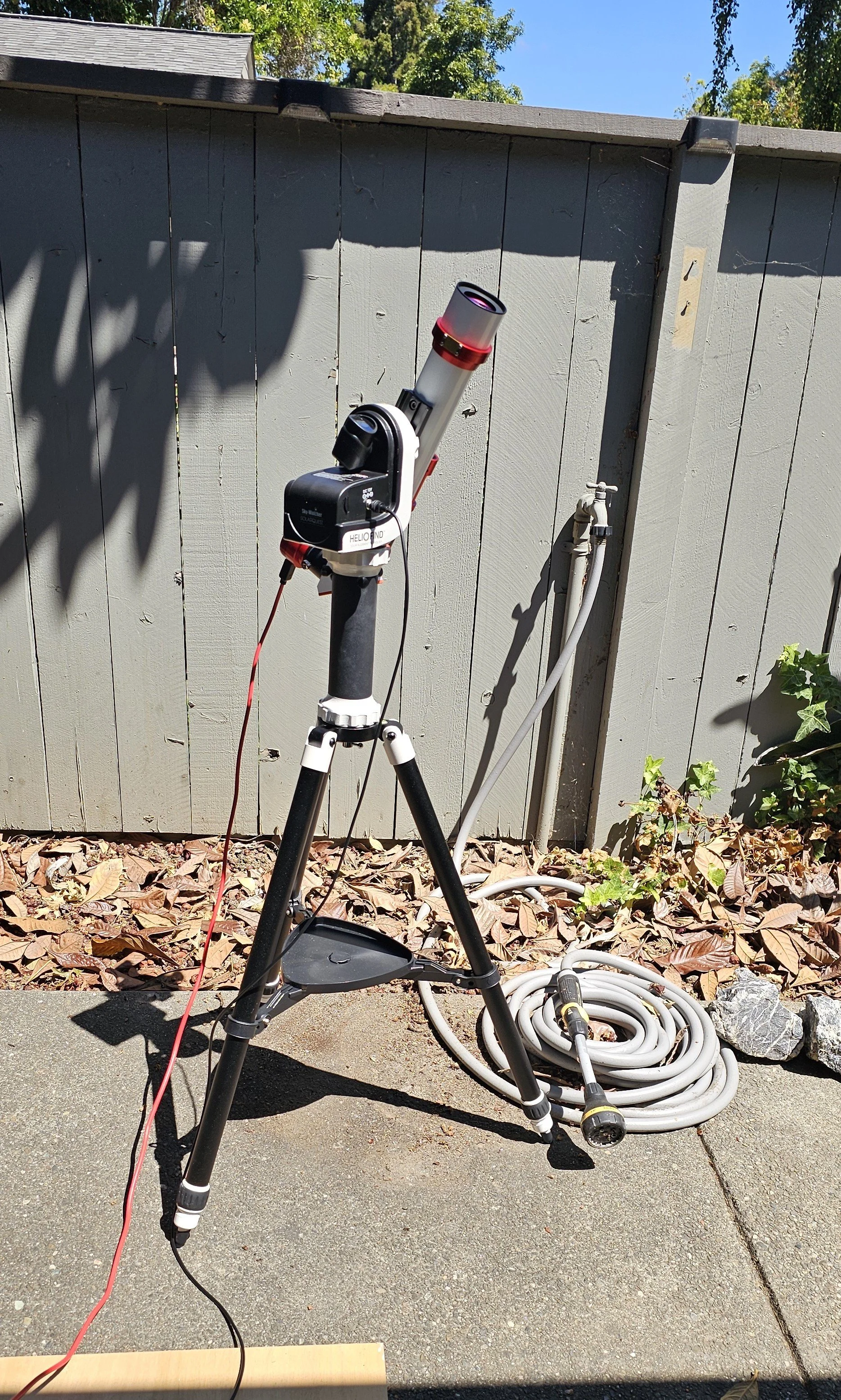
LS40THa
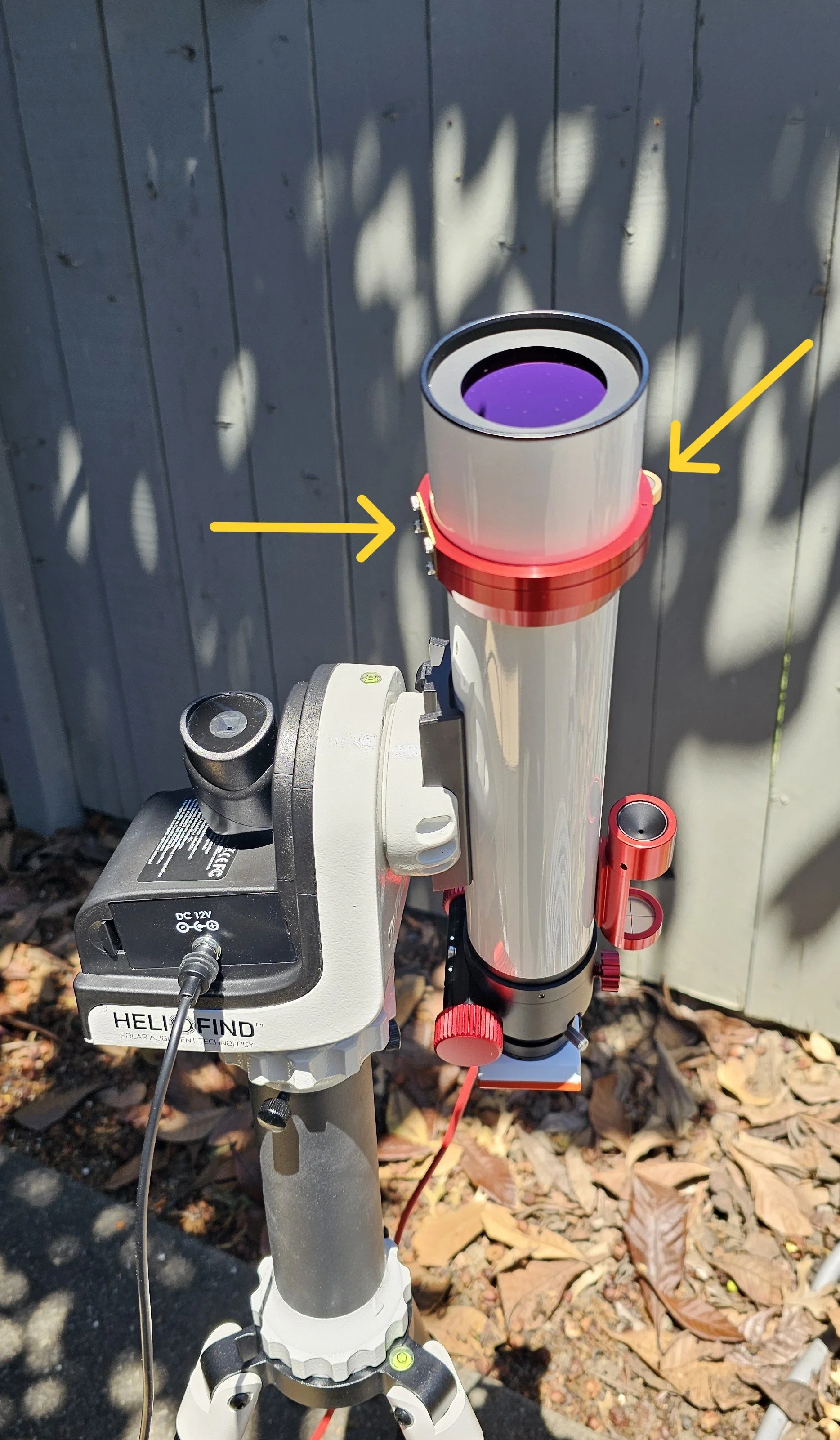
Etalon Tuner (Tilt Tuner)
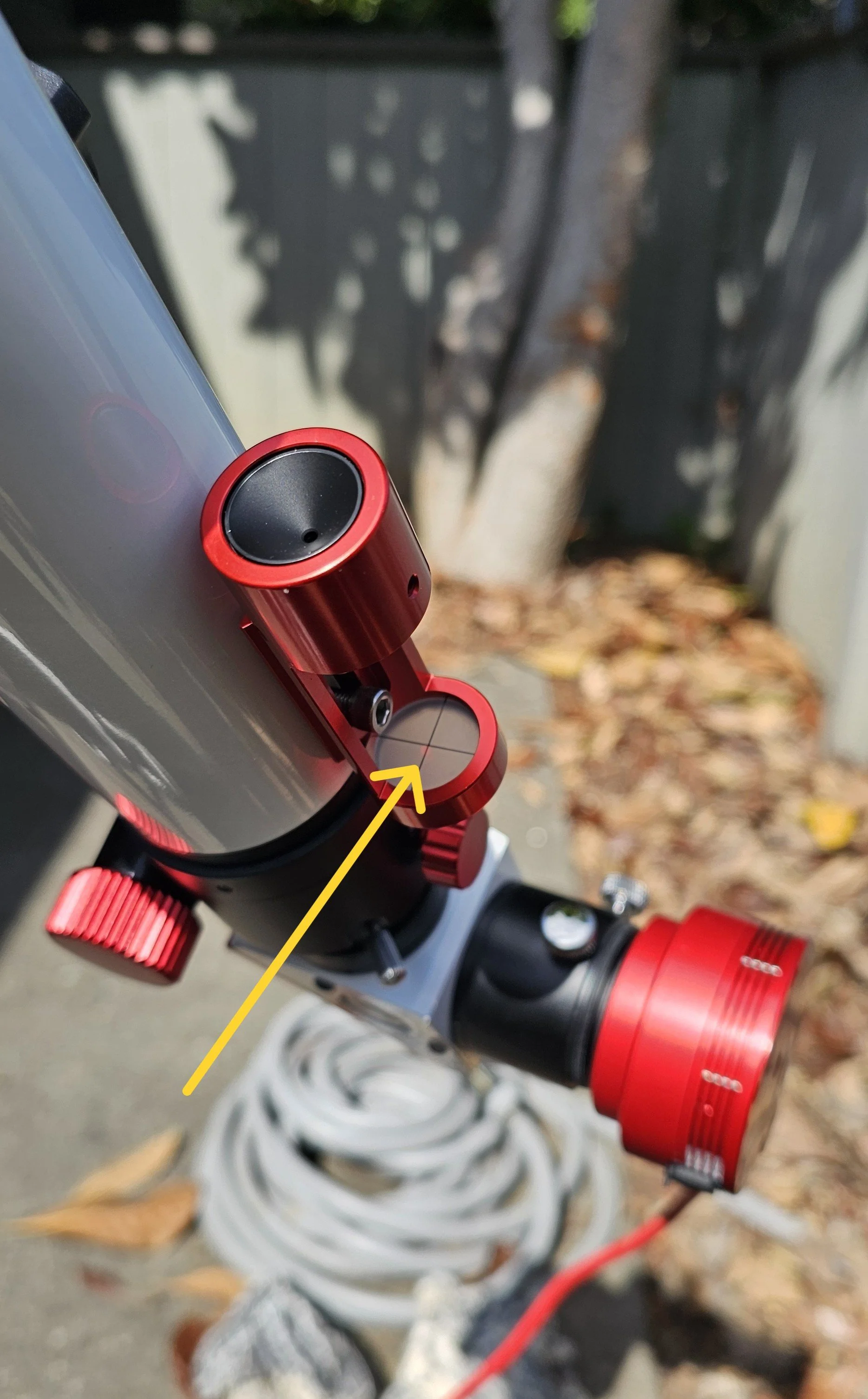
Sun Locator
Sky-Watcher Heliostar 76Hα
Front Objective
Etalon Tuner (Trifid Tuner)
With Sky-Watcher SOLARQUEST Mount
Solar telescope တွေရဲ့အရှေ့ဆုံးမှာ သတ်မှတ်ထားတယ့် wavelength တစ်ခုတည်းကိုဖြတ်သန်းခွင့်ပေးပြီး ကျန်တဲ့လှိုင်းအလျားတွေကိုပိတ်ဆို့ပေးတယ့် အလွန်ပြားပြီးညီတယ့်မျက်နှာပြင်ရှိပြီး အလင်းပြန်နိုင်စွမ်းမြင့်တယ့် မှန်ပြားနှစ်ချပ်ကို အရမ်းတိကျတယ့်အကွာအဝေးမှာခွဲပြီးထားထားတယ့် Etalon ဆိုတယ့် optical filter တစ်မျိုးတပ်ဆင်ထားပါတယ်။ နေလုံးကို H-alpha နဲ့ကြည့်တယ့် solar telescope တွေမှာ Etalon ကအရေးကြီးဆုံးအစိတ်အပိုင်းတစ်ခုပါ။
Etalon ရဲ့အလုပ်လုပ်တယ့်ပုံစံက ဒီလိုပါ။ နေရဲ့အလင်းက Etalon အထဲကိုဝင်လာပါတယ်။ အလင်းဟာ မှန်ပြားနှစ်ချပ်အကြားမှာ အကြိမ်ကြိမ်အပြန်အလှန်သွားတယ့်အခါ အလင်းလှိုင်းတွေအချင်းချင်း အပြန်အလှန်သက်ရောက်မှုတွေဖြစ်ပြီး အဲဒီအထဲကမှ H-alpha (656.28 nm) ကိုဗဟိုထားတဲ့ အလွန်ကျဉ်းမြောင်းတဲ့ wavelength band ကိုသာ ဖြတ်သန်းခွင့်ပေးပြီး. ကျန်တယ့်လှိုင်းအလျားအားလုံးရဲ့အများစုကိုပိတ်ဆို့လိုက်တာကြောင့် ပုံမှန် solar filter နဲ့ကြည့်ရင်မမြင်ရတယ့် နေရဲ့ Chromosphere အလွှာကိုမြင်ရပြီး သူ့အထဲကအောက်ပါအရာတွေဖြစ်တယ့် Prominence (နေရောင်အနားကမီးလျှံပုံစံများ)၊ Filament (အနက်ရောင်လိုင်းများ)၊ Chromosphere ရဲ့အသေးစိတ်ဖွဲ့စည်းပုံ၊ Active Regions ၊ Sunspots (နေရောင်ကွက်များ) တွေကိုလည်း အသေးစိတ်လေ့လာလို့ရသွားပါတယ်။ နောက်ပြီး Etalon filter ရဲ့ Å (Angstrom) performance အပေါ်မူတည်ပြီး Chromosphere အလွှာရဲ့အစိတ်အပိုင်းတွေကိုပိုပြီး တိတိကျကျမြင်ရခြင်းကလည်း ကွာခြားနိုင်ပါသေးတယ်။ Angstrom value နည်းလေ Bandpass ပိုကျဉ်းလာလေဖြစ်တာကြောင့် Chromosphere ရဲ့ contrast နဲ့ fine detail တွေပိုကောင်းလာပြီး အသေးစိတ်ပိုမြင်ရလေပါပဲ။
ပုံရိပ်တွေကိုကောင်းကောင်းမြင်ရအောင် ရိုက်ကူးရေးလုပ်တယ့်အခါတိုင်း Etalon filter ကို tuning လုပ်ပေးရမှာပါ။ ကျွန်တော်သုံးနေတယ့် Lunt solar ကထုတ်တယ့် Lunt 40THs scope ကတော့ Tilt Tuner ကိုအသုံးပြုထားပါတယ်။ Pressure Tuner ဆိုတယ့်တစ်ခြား option လည်းရှိပါသေးတယ်။ Tilt Tuner ဘယ်လိုအလုပ်လုပ်သလဲဆိုတော့ tuner wheel ကိုလှည့်လိုက်တယ့်အခါတိုင်း tuner က Etalon ကိုအနည်းငယ်စောင်းပေးပြီး transmission peak ကို H-alpha line ပေါ်ကိုရောက်အောင်ချိန်ပေးပါတယ်။ ဒါကြောင့်မို့လို့ ပုံမှန်အမြဲမြင်နေရတယ့် Photsphere အလွှာကိုမမြင်ရတော့ပဲသူ့ရဲ့အပေါ်က Chromosphere အလွှာရဲ့အသေးစိတ်ဖွဲ့စည်းကိုမြင်ရခြင်းဖြစ်ပါတယ်။ Tuning လုပ်တယ့်အခါမှာလည်း နေရဲ့ Chromosphere အလွှာမျက်နှာပြင်တစ်ခုလုံးမှာရှိတယ့် texture တွေပေါ်လာအောင် tuner ကို Histogram, Gain စတာတွေနဲ့တွဲဖက်ပြီး ချိန်ညှိပေးမှသာကြည့်လို့အဆင်ပြေတယ့် ပုံရိပ်တစ်ခုရရှိမှာဖြစ်ပါတယ်။ မဟုတ်လို့ကတော့ မျက်နှာပြင်ရဲ့တစိတ်တဒေသက soft ဖြစ်နေတယ့် texture တွေနဲ့ပြည့်နေတယ့်ပုံရိပ်တွေကိုသာ ရရှိမှာပါ။ ဒါကြောင့် astrophotography ဆိုတာ ရိုက်ကူးနေတယ့်အချိန်တွေမှာလည်း ခေါင်းကိုက်ရသလို ရိုက်ကူးပြီးလို့ editing လုပ်တယ့်အခါမှာဆိုပိုပြီးတော့တောင်ခေါင်းကိုက်ရပါတယ်။ ဘာဖြစ်လို့လဲဆိုတော့ မှန်ကန်တယ့် editing process တွေနဲ့သာမဟုတ်ခဲ့ဘူးဆိုရင် ရရှိလာတယ့်နောက်ဆုံးရလာဒ်က ကြည့်လို့လုံးဝအဆင်မပြေတယ့်ပုံရိပ်တစ်ခုပဲဖြစ်နေမှာပါ။ Etalon ကနေဖြတ်သန်းလာတယ့် အလင်းတွေထဲကမှမလိုအပ်တယ့်အလင်းတွေကို ထပ်မံပြီးဖယ်ရှားပေးတယ့် filter ကတော့ blocking filter ဖြစ်ပြီးတော့ eyepiece တို့ camera တို့ကိုတပ်ဆင်ပြီးအသုံးပြုရတယ့် အစိတ်အပိုင်းလည်းဖြစ်ပါတယ်ခင်ဗျ။
ကျွန်တော်တို့ သာမန် telescope တွေကို solar filter တပ်ပြီးကြည့်တိုင်းမြင်ရတယ့် ပြောင်ချောနေတယ့်မျက်နှာပြင်က Chromosphere အလွှာရဲ့အောက်မှာရှိတယ့် Photosphere အလွှာပါပဲခင်ဗျ။ နေရဲ့အလွှာတွေကို နေရဲ့အပြင်ဖက်ကနေကြည့်မယ်ဆိုရင် Chromosphere အလွှာပြီးမှ Photosphere အလွှာကိုရောက်တာပါ။ ဒါပေမယ့် ပုံမှန် solar filter ကိုသာသုံးပြီးကြည့်မယ်ဆိုရင် နေရဲ့ Photosphere အလွှာကိုပဲတွေ့ရမှာပါ။ ဘာဖြစ်လို့လဲဆိုတော့ Photosphere အလွှာကအရမ်းတောက်ပတာကြောင့် Chromosphere အလွှာရဲ့အောက်မှာရှိနေပေမယ့်လည်း သူ့ရဲ့အလင်းရောင်တွေက အပေါ်က Chromosphere အလွှာကို dominant လုပ်ပြီးဖုံးကွယ်ထားလို့ပါပဲခင်ဗျ။
ကျွန်တော် Lunt Solar Telescope ကိုစပြီးသုံးခါစတုန်းကလည်း Etalon ကိုချိန်ညှိရတာခက်ခဲခဲ့ပါတယ်။ နေ တို့ လ တို့ကိုရိုက်ကူးတာက Nebula တို့ Star Cluster တို့ကိုရိုက်ကူးသလိုမျိုး still image မဟုတ်ပဲ video recording မို့လို့ live view နဲ့ focus ချိန်တာတို့ Etalon tuning လုပ်တာတို့လုပ်ရတာကြောင့် နည်းနည်းတော့ဂရုစိုက်ရပါတယ်။ ဘာဖြစ်လို့လဲဆိုတော့ နေ နဲ့ telescope ကြားထဲမှာရှိတယ့်လေထုက နေမြင့်လာလေအပူချိန်များလာပြီး အပူလှိုင်းတွေထလာတာမို့လို့ live view နဲ့အလုပ်လုပ်ရတယ့် solar imaging မှာအနှောင့်အယှက်တော်တော်ဖြစ်ရတာမို့လို့ပါ အထူးသဖြင့် Barlow (teleconverter) တွေနဲ့တွဲသုံးတယ့်အခါပေါ့။ အကောင်းဆုံးကတော့ အနီးကပ် close-up ပုံတွေရိုက်ချင်ရင် Barlow တွေတပ်သုံးမယ့်အစား aperture ပိုကြီးပြီး focal length ပိုများတယ့် telescope တွေနဲ့သာအဆင်ပြေလောက်တယ်လို့ ယူဆမိပါတယ်။ ကျွန်တော့် Lunt 40THs ဆိုရင် focal length 400mm နဲ့ aperture 40mm ပဲရှိတာမို့လို့ close-up ပုံလိုချင်လို့ Barlow နဲ့တွဲသုံးပေမယ့်လည်း ပုံရိပ်ကသာကြီးလာပြီး resolutions ကတိုးမလာတာမို့လို့ (ရှင်းအောင်ပြောရရင် scope ရဲ့ diffraction limit ထက်ပိုပြီး magnify လုပ်နေတဲ့အတွက် empty magnification ဖြစ်သွားတာပါ) ပုံထွက်ကဘယ်လိုမှမကောင်းလာခဲ့ဘူးလေ။ ဒါကြောင့်နောက်ပိုင်း Barlow နဲ့တပ်သုံးတာကိုလုံးဝ မလုပ်ဖြစ်တော့ဘူး။ ကြုံတုန်းတစ်ခုပြောချင်တာက solar telescope ဝယ်တော့မယ်ဆိုရင် aperture ကိုပထမဦးစားပေးအနေနဲ့ကြည့်ပြီး focal length ကိုတော့ဒုတိယဦးစားပေးအနေနဲ့ကြည့်ကာဝယ်သင့်တယ်လို့ပြောချင်ပါတယ်ခင်ဗျ။
ကျွန်တော်ရဲ့ဦးစားပေး target က Nebula တွေမို့လို့ နေတို့လတို့ကိုရိုက်တာကိုတော့ ဒုတိယဦးစားပေးအနေနဲ့သာရိုက်မယ်လို့ ဆုံးဖြတ်ထားတာမို့လို့ solar telescope ကိုဝယ်ကတည်းက beginner level အဆင့်ကိုသာဝယ်ခဲ့တာပါ။ တကယ်တမ်းကျတော့ solar image ကိုရိုက်ရင်းရိုက်ရင်းနဲ့ပိုပြီးစိတ်ဝင်စားလာတာမို့လို့ အနီးကပ်ပုံတွေရိုက်ချင်တယ့်ကျွန်တော်အတွက်တော့ အခုချိန်မှာ aperture 40mm ပဲရှိတယ့် scope နဲ့တိုင်ပတ်နေတော့တာပေါ့ဗျာ။ အမှန်အတိုင်းဝန်ခံရရင် solar imaging က Moon imaging လိုပဲရိုက်ကူးရတာနည်းနည်းတော့ boring ဖြစ်မယ်လို့ထင်ထားခဲ့တာ တကယ်တမ်းကြတော့ နေ့တိုင်းလှုပ်ရှားနေတယ့်နေမျက်နှာပြင်ကြောင့် တစ်ရက်နဲ့တစ်ရက်မရိုးနိုင်တယ့်ပုံတွေကိုရိုက်လို့ရတာမို့လို့ aperture သေးတာကိုဝယ်လိုက်မိတာမှားသွားပြီလို့ ကိုယ့်ကိုယ်ကိုသိလိုက်ရတယ့်အချိန်မှာတော့ နောက်ကျသွားပြီလေ။
နောက်ဆုံးတော့လဲ aperture size ပိုကြီးတယ့် solar telescope ကိုထပ်ပြီးလက်ဝယ်ရောက်ရှိအောင်ကူညီပေးတယ့်အသိမိတ်ဆွေတွေကြောင့်ပဲ Sky-Watcher အမျိုးအစားအထဲက Heliostar 76mm H-Alpha solar telescope ကိုပိုင်ဆိုင်ခွင့်ရခဲ့ပြီဆိုပါတော့။ ပုံမှန်ဆို solar telescope တွေက aperture size ခြင်းအတူတူပဲဆိုရင်တောင် တစ်ခြား telescope တွေထက်စျေးပိုကြီးကြတာပါ၊ ဒါပေမယ့် Sky-Watcher ကထုတ်တယ့် 76mm size ကတော့တစ်ခြား dedicated solar telescopes အမျိုးအစားတွေထက်စာရင် စျေးနှုန်းကအများကြီးသင့်လျော်တယ်လို့ ယူဆမိပါတယ်။ ဒါတောင် စျေးက $3300 အထက်မှာရှိတာနော် တစ်ခြား brand တွေဆိုရင်တော့စျေးနှုန်းကအနည်းဆုံး $5000 အထက်ပဲ။ သူနဲ့ aperture size သိပ်မကွာတယ့်အမျိုးအစားတွေလည်းရှိပြီး စျေးနှုန်းကလည်းသိပ်အကွာကြီးမဟုတ်ပေမယ့် build quality နဲ့ construction ကတော့ ကျွန်တော့်အနေနဲ့ Heliostar ကိုပိုကြိုက်မိတယ်ဗျ။ Etalon ကိုချိန်ညှိတယ့်အပိုင်းမှာတော့ သုံးထားတယ့်ပုံစံကွာခြားမှုကြောင့် နှစ်ခုစလုံးကိုပုံစံအတူတူသွားသုံးလို့တော့မရပါဘူးခင်ဗျ။ ကျွန်တော့်အမြင်ပြောရမယ်ဆိုရင်တော့ Heliostar ရဲ့ Etalon performance ကိုပိုကြိုက်တယ်လို့ပြောပါရစေ။ ပိုပြီးတိကျပြီး နေရဲ့မျက်နှာပြင်တစ်ခုလုံးကို coverage ဖြစ်အောင်လုပ်နိုင်တယ်လို့မြင်ပါတယ်။ လက်ရှိအနေနဲ့ Lunt 40THa ကိုတော့ နေကို full disc ရိုက်တယ့်အခါမှာသုံးပြီး Heliostar 76mm H-Alpha ကိုတော့ closeup ပုံတွေအတွက်အဓိကထားပြီးသုံးဖြစ်နေပါတယ်ခင်ဗျ.....
မိုးသားကင်းစင်ကြည်လင်သောညများ ဖြစ်ပါစေ — အမြင်ကောင်းများနှင့် အောင်မြင်သော observation များရရှိပါစေ.....