Ultra Cat 76 vs Red Cat 51: How Focal Length Transforms Your Astrophotography Frames
In regular photography, a focal length of 250mm is already considered a zoom lens. However, in astrophotography, it still falls within the wide-field category. Even a focal length of 365mm is generally classified as medium field (between wide and zoom), and only lenses above 600mm are considered true zoom lenses. In other words, the range from 300mm to 600mm is regarded as medium field.
In regular photography, upgrading from 250mm to 365mm doesn’t create a very noticeable difference. But in astrophotography, this change is considered significant. Why?
In regular photography, subjects are relatively large, so increasing focal length by around 100mm doesn’t drastically change the image. But in astrophotography, everything is extremely small and distant. Even a small increase in focal length can reveal details that were previously invisible. Areas that once looked empty begin to fill with structure and subject detail. That’s why every millimeter of focal length increase has a meaningful impact.
Another important factor is that astrophotography is not just about zoom—it also depends on how much of the sky each pixel captures. At 250mm, each pixel covers a wider portion of the sky, resulting in less detail. At 365mm, each pixel captures a smaller portion of the sky, which increases detail and improves image clarity. This is why changes in pixel scale are also very important in astrophotography.
When planning to buy a telescope with a longer focal length, one key thing to consider is how much of your subject you want to fit into the frame. In regular photography, you can move closer or farther from your subject to adjust composition. But in astrophotography, you cannot physically move closer to objects in space. Therefore, focal length becomes the only way to “get closer” to your subject, making each increase in focal length significant. Before buying, it’s important to understand whether you prefer wide-field compositions or tighter, more zoomed-in framing.
Another point to consider is that as focal length increases, the telescope itself becomes larger and heavier. This added weight makes guiding more challenging. When I used the Red Cat 51, my guiding values were typically between 0.3 and 0.6, and only occasionally exceeded 1. Keeping guiding below 1 is generally considered ideal.
With the Ultra Cat 76, however, my guiding values tend to range between 0.7 and 3.5, sometimes even approaching 4. Most of the time, it stays below 1.5. Since it doesn’t constantly exceed 2, this is considered normal for users of heavier scopes.
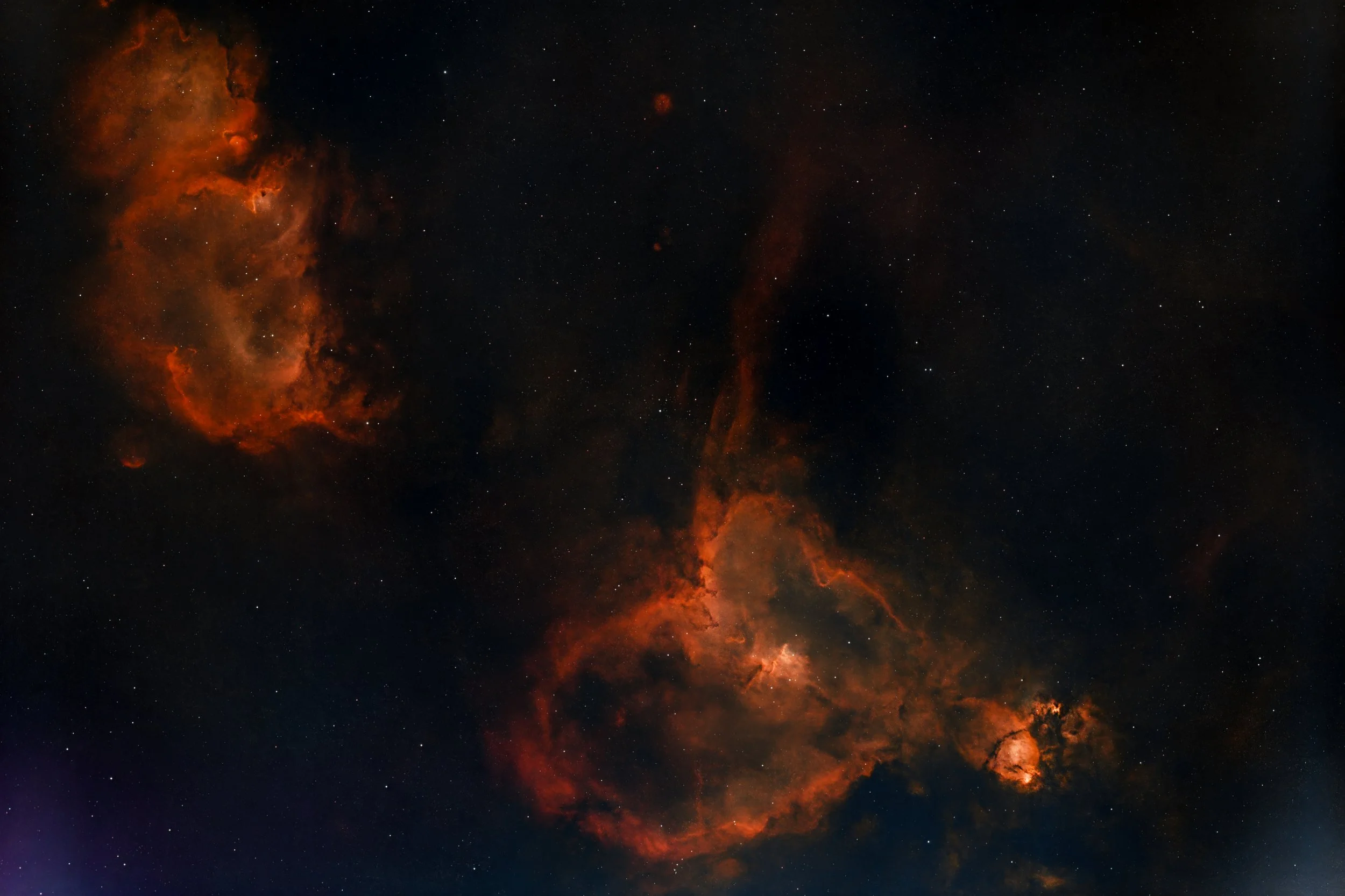
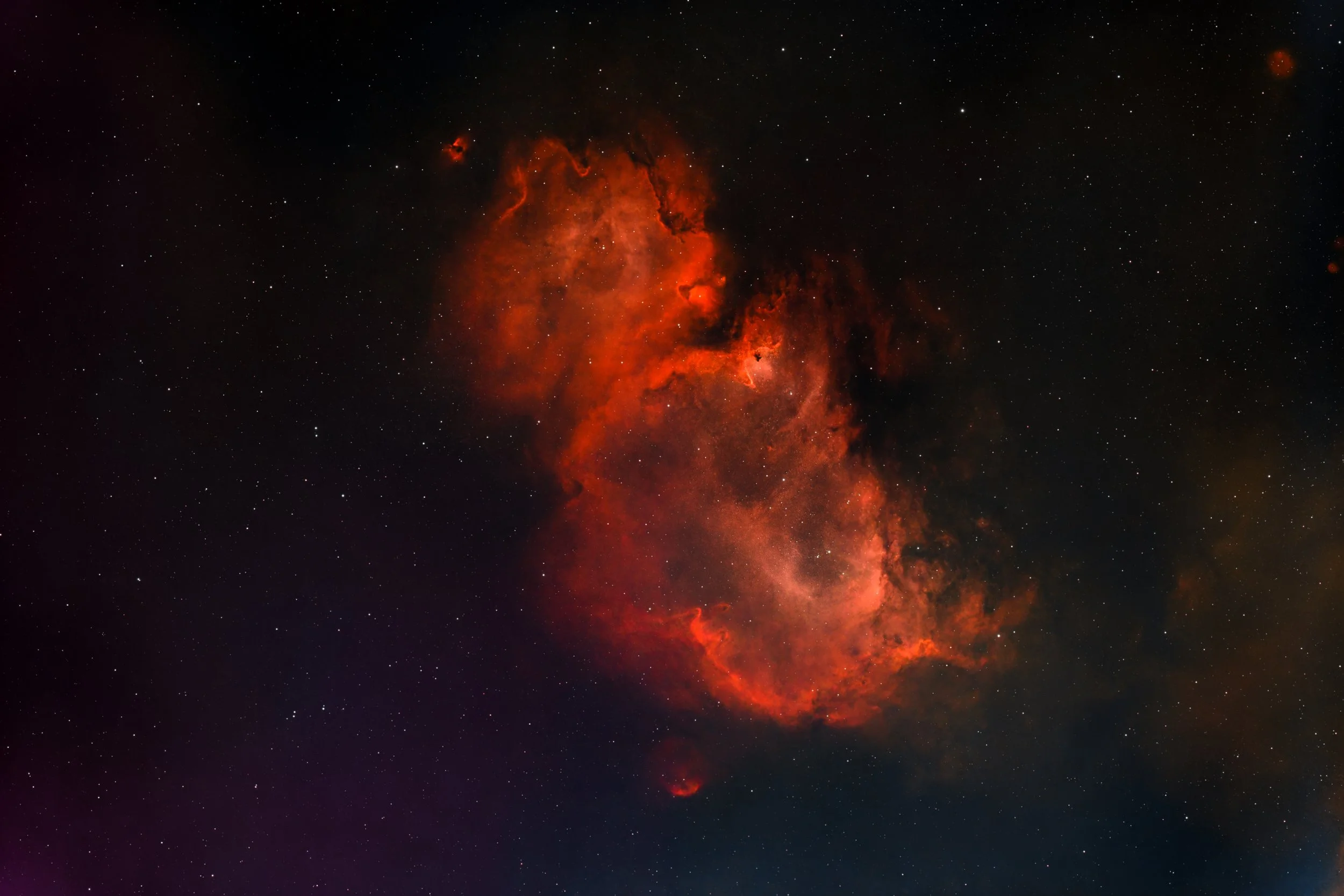
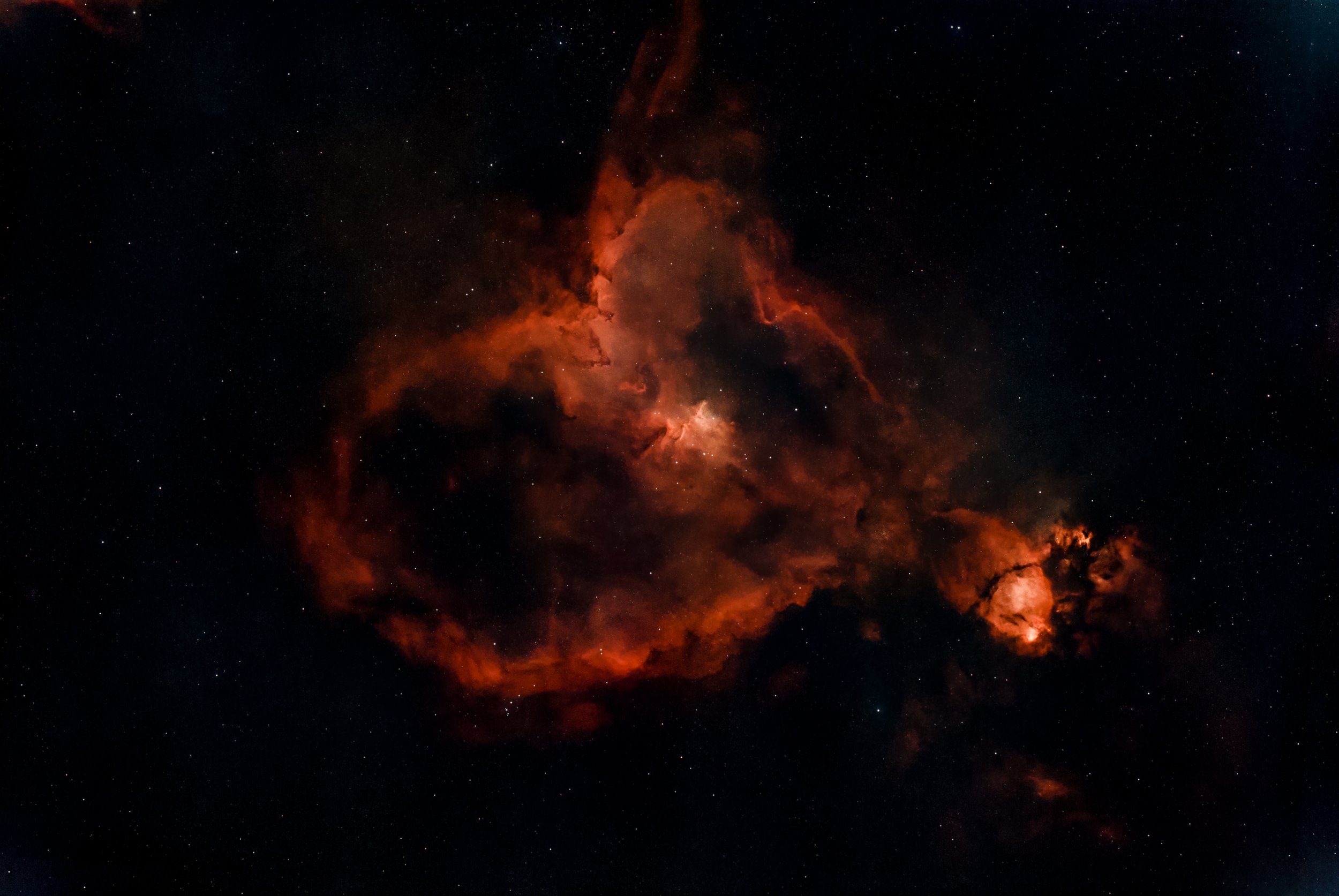
In the images below, the single Soul Nebula shot was taken with the Ultra Cat 76, while the combined Soul & Heart Nebula image was taken with the Red Cat 51. In the 76 image, you can clearly see more detailed dust structures within the nebula.
Clear skies and happy observing…..
ကျွန်တော်တို့ Regular Photography မှာ focal length 250mm ဆိုရင် Zoom Lens လို့သတ်မှတ်လို့ရနေပြီဆိုပေမယ့် astrophotography မှာကတော့ Wide Lens group အထဲမှာပဲရှိပါသေးတယ်။ Focal length 365mm ဆိုရင်တောင် Medium Field (between Wide and Zoom) လို့ပဲသတ်မှတ်ကြပြီး Focal Length 600mm နဲ့အထက်မှသာ Zoom Lens လို့သတ်မှတ်ကြတာလို့သိရပါတယ်။ ဆိုလိုတာက 300mm to 600mm က Medium Field ပေါ့ဗျာ။ Regular Photography ဆိုရင် 250mm ကနေ 365mm ကို upgrade လုပ်တာကဘာမှသိပ်အပြောင်းအလွဲကြီးဖြစ်မသွားဘူးဆိုပေမယ့် Astrophotography မှာကတော့ သိသာတယ့်ပြောင်းလဲမှုတစ်ခုလို့သတ်မှတ်ကြပါတယ် OK.....Why?
Regular Photography မှာဆို Subject တိုင်းကအရွယ်အစားကြီးကြတာမို့လို့ 100mm လောက် focal length တိုးသွားတာက သိပ်အပြောင်းအလွဲကြီးမဟုတ်ပေမယ့် astrophotography မှာဆိုအရာရာတိုင်းကသေးငယ်တာမို့လို့ focal length လေးနည်းနည်းတိုးတာနဲ့မမြင်ရသလိုရှိတယ့် object တွေရဲ့ detail တွေကပေါ်လာတာကြောင့် နဂိုက empty ဖြစ်နေတယ့်နေရာတွေမှာ subject တွေနဲ့ပြည့်လာတာမို့လို့ each mm increasement တိုင်းကသက်ရောက်မှုရှိလို့ပါပဲခင်ဗျ။ နောက်တစ်ခုကဘာလဲဆိုတော့ astrophotography မှာ zoom တစ်ခုတည်းမဟုတ်ပဲ pixel တစ်ခုချင်းဆီက sky ကိုဘယ်လောက်ဖမ်းနိုင်သလဲဆိုတယ့်အပေါ်မှာလည်းမူတည်တာမို့လို့ 250mm focal lenght မှာဆို pixel တစ်ခုက sky ကိုပိုပြီးကျယ်ကျယ်ဖမ်းရလို့ detail နည်းပြီး 365mm focal length နဲ့ဆို pixel တစ်ခုက 250mm ထက်စာရင် sky ကိုနည်းနည်းပဲဖမ်းရတာမို့လို့ detail ပိုများလာကာ ကြည့်လို့ပိုကောင်းလာပါတယ်။ ဒါကြောင့် pixel scale ပြောင်းလဲမှုကလည်း astrophotography အတွက်အရေးကြီးတယ့်အချက်တစ်ခုပါပဲ။
Focal length ပိုများတယ့် scope ကိုဝယ်မယ်ဆိုရင် မဝယ်ခင်မှာတစ်ချက်အနေနဲ့အဓိကထားပြီးစဥ်းစားရမှာကတော့ frame အထဲမှာကိုယ်က subject ကိုဘယ်လောက်များများပါစေချင်သလဲဆိုတာပါပဲခင်ဗျ။ ဘာဖြစ်လို့လဲဆိုတော့ regular photography တွေဆို subject ကိုကိုယ့်ရဲ့ frame အထဲမှာပိုပြီးနီးစေချင်တာပဲဖြစ်ဖြစ် ပိုပြီးဝေးစေချင်ရင်ပဲဖြစ်ဖြစ် လူက subject အနားကိုကပ်သွားလို့ရသလို အနောက်ကိုဆုတ်ပြီးခပ်ဝေးဝေးကနေပဲဖြစ်ဖြစ်ရိုက်လို့ရပေမယ့် astrophotography မှာကတော့ subject ကိုနီးချင်လို့ဆိုပြီး အာကာသထဲကိုသွားလို့မှမရတာလေ။ ဒါကြောင့် focal length က subject ကိုနီးလာစေဖို့အတွက် တစ်ခုတည်းသောနည်းလမ်းမို့လို့ each mm increasement တိုင်းကသက်ရောက်မှုရှိတာပါ။ ဒါကြောင့် မဝယ်ခင်မှာကိုယ်ကဘယ် frame အမျိုးအစားကိုအားသာတာလဲ wide လား tight လားဆိုတာကိုသိအောင်အရင်လုပ်ဖို့လိုအပ်ပါတယ်ခင်ဗျ။
အဲဒီမှာနောက်ထပ်သတိပြုရမယ့် အချက်တစ်ချက်ကထပ်ရှိလာပြန်ရောဗျ။ ဘာလဲဆိုတော့ focal length ကြီးလာရင် scope size ကလည်းကြီးလာတာမို့လို့ weight ကလည်းပိုများလာပါတယ်။ အဲဒီအချက်တွေက guiding လုပ်တယ့်အခါပိုပြီးခက်ခဲလာစေပါတယ်။ ကျွန်တော် Red Cat 51 နဲ့ရိုက်တုန်းကဆို guiding value ကအများအားဖြင့် 0.3 နဲ့ 0.6 လောက်မှာသာရှိတတ်ပြီး 1 အပေါ်ဆိုတာတစ်ခါတစ်လေမှသာတက်သွားတတ်တာပါ။ Guiding value က 1 အောက်မှာရှိနေတာကအကောင်းဆုံးပဲလို့ မှတ်သားရပါတယ်။ အခု Ultra Cat 76 နဲ့ရိုက်တာ guiding value က 0.7 နဲ့ 3.5 ကြားထဲမှာပြေးနေတတ်ပြီး တစ်ခါတစ်လေဆို 4 နားအထိတောင်ကပ်သွားတာကိုတွေ့ရပါတယ်။ အများအားဖြင့်တော့ 1.5 အောက်မှာရှိနေတာတော့များပါတယ်။ Value က 2 အပေါ်မှာအမြဲတမ်းသွားနေတာမဟုတ်လို့ ဒါက heavy scope user တွေအတွက်တော့သာမန်ပဲလို့သိရပါတယ်။
အောက်ကပုံတွေမှာ Soul Nebula တစ်ခုတည်းပုံက 76 နဲ့ရိုက်ထားတာဖြစ်ပြီး Soul & Heart Nebula တွဲရက်ပုံကတော့ 51 နဲ့ရိုက်ထားတာပါ။ 76 နဲ့ရိုက်ထားတယ့်ပုံမှာ Nebula ရဲ့ dust line တွေကို detail ပိုထင်ရှားစွာတွေ့ရမှာပါ.....
မိုးသားကင်းစင်ကြည်လင်သောညများ ဖြစ်ပါစေ — အမြင်ကောင်းများနှင့် အောင်မြင်သော observation များရရှိပါစေ.....
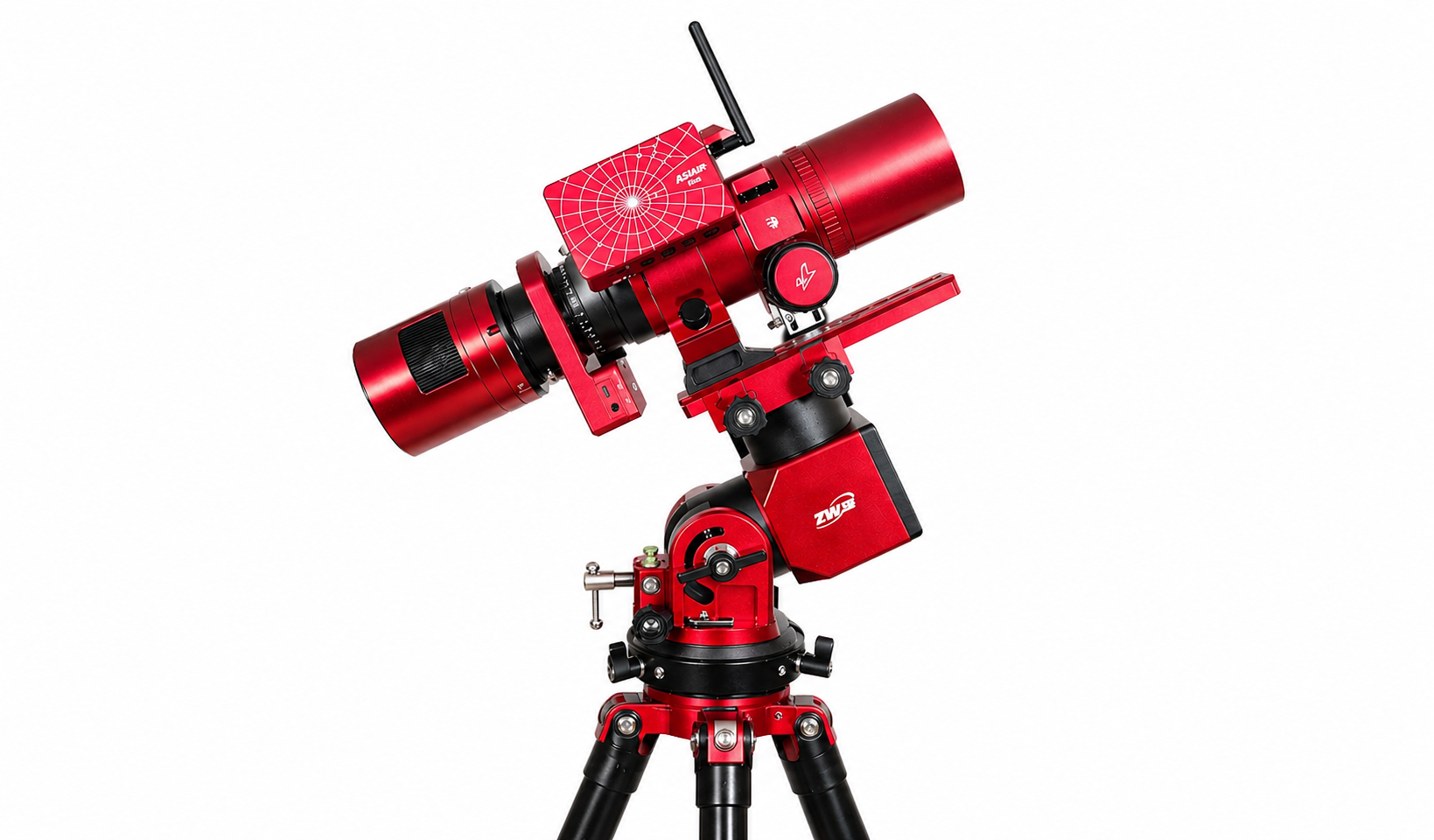
Red Cat 51
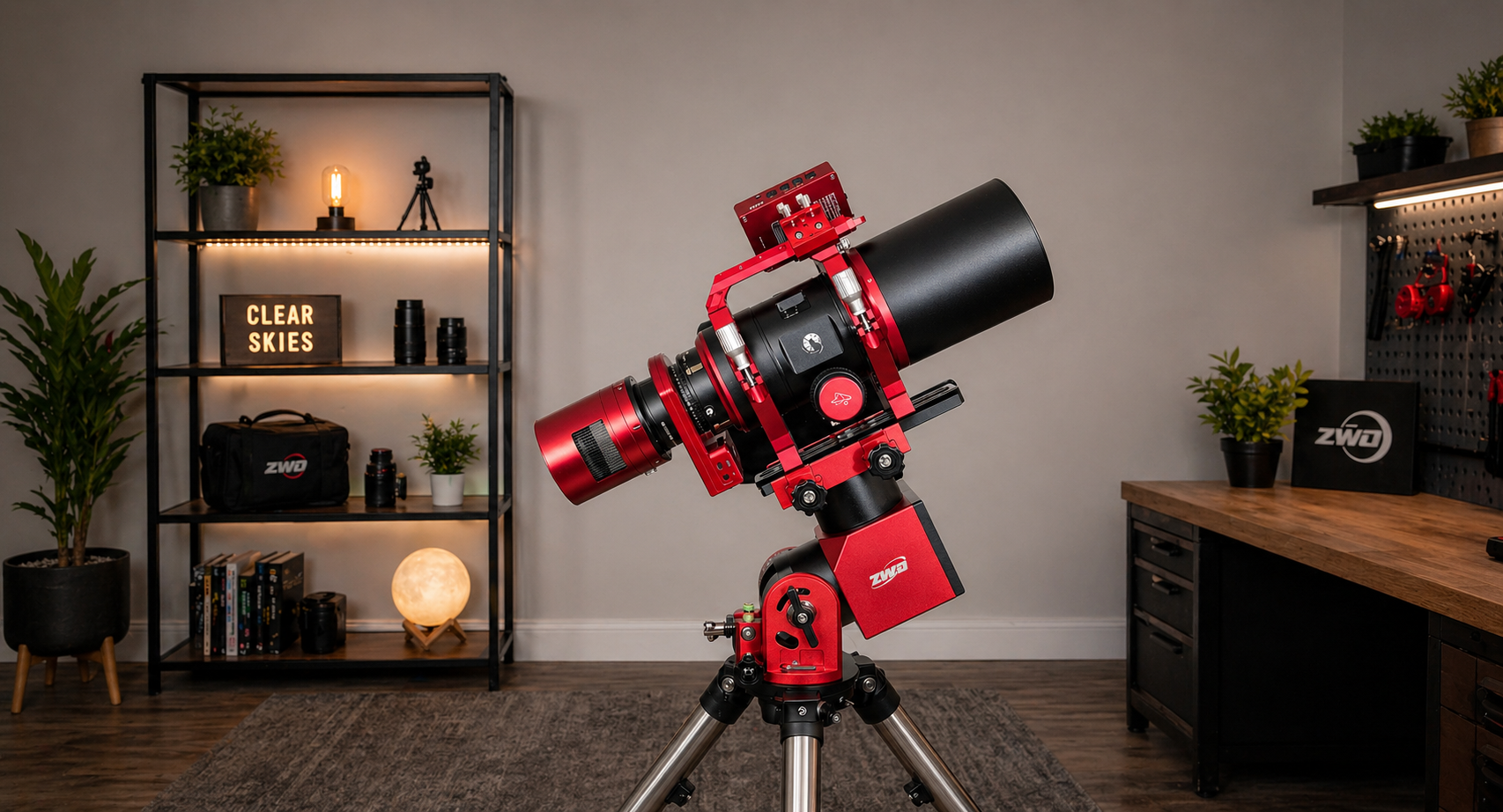
Ultra Cat 76